You have read a hundred of these
You’re right to doubt. Most gardening sites write about plants like they’re writing a love letter to a houseplant that never wilts.
They’ll tell you to ‘give it plenty of sunlight’ without saying how much is too much, or how to spot the difference between ‘just enough’ and ‘roasted to death.’ We don’t do that.
Every tip here comes from a plant that *didn’t* thrive the first time—from the basil that bolted before it flavored a single dish to the tomato vines that collapsed under their own weight because I didn’t stake them soon enough.
The real test isn’t whether a seed sprouts (they usually do). It’s whether the plant *stays* alive long enough to tell you why it failed.
We keep records: the soil pH where the peppers refused to fruit, the exact week the zucchini started rotting in the heat, the neighbor’s compost that killed my strawberries. If we don’t know *why* something worked—or didn’t—we don’t write about it.
This isn’t theory. It’s the dirt under your nails after you’ve pulled up a plant to see what went wrong. And yes, sometimes the answer is ‘I have no idea,’ but we’ll tell you that too.
It’s the gardening equivalent of ‘we care about taste’—a phrase that means nothing unless you see the scars.
Anyone can write that they test things
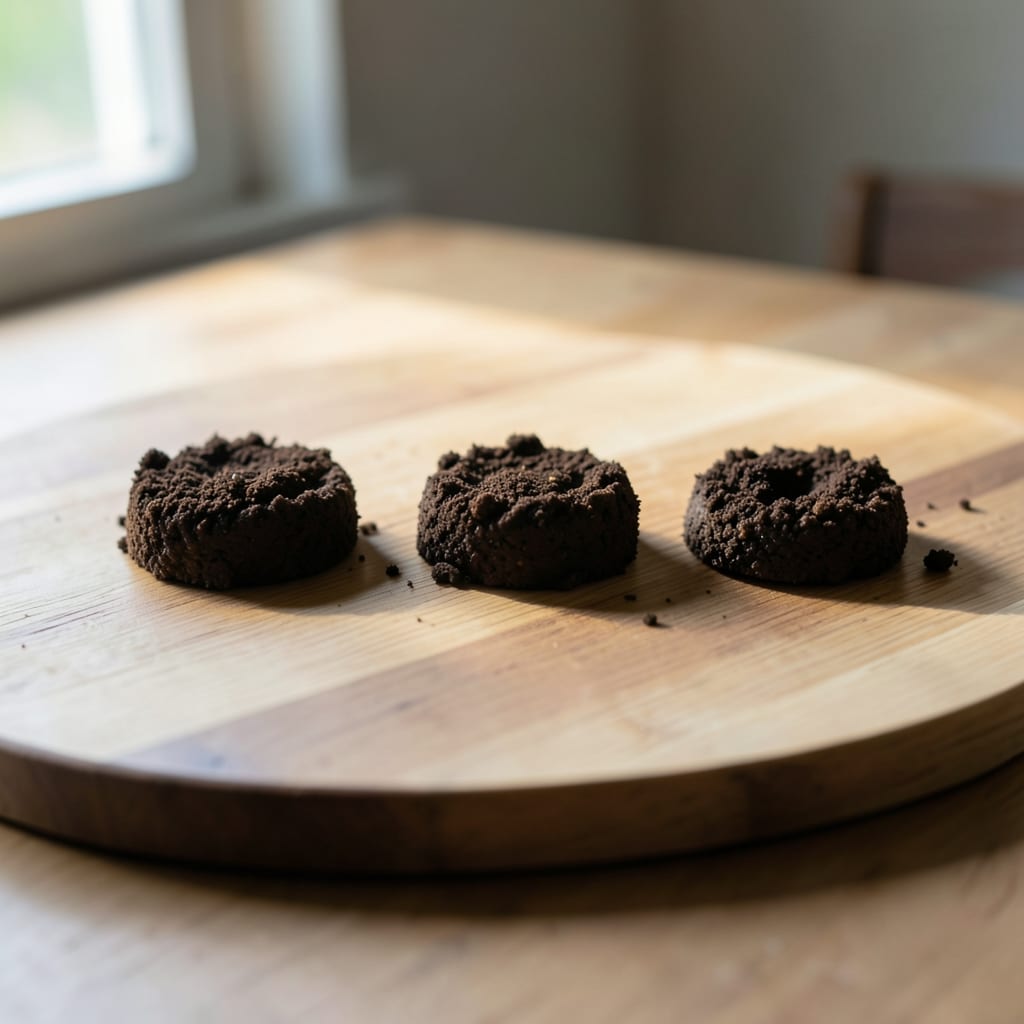
Testing here means planting the same variety in three different soil mixes, watering one batch every morning and another only when the leaves curl, and letting the third go untouched to see how long it survives neglect.
It means growing the same tomato plant in full sun, partial shade, and a north-facing windowsill—then timing how long it takes each to produce a fruit that isn’t green and leathery.
Last year, we lost 17 marigold seedlings to damping-off before we figured out the tray needed drainage holes *and* a fan blowing over it 24 hours a day.
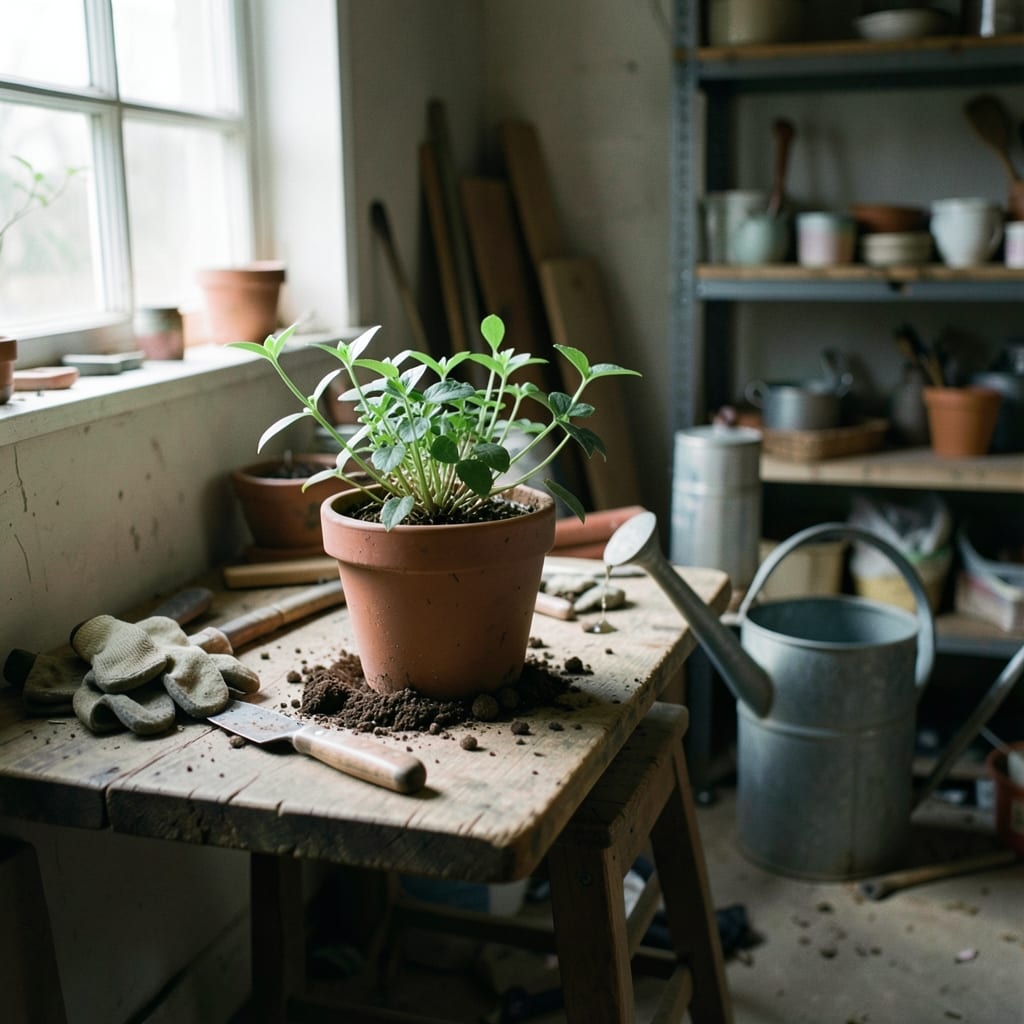
We don’t test in perfect conditions. Our ‘greenhouse’ is a repurposed tool shed with a cracked plastic roof that lets in too much light some days and not enough others.
Our ‘controlled environment’ is a balcony where the cat knocks over pots ‘for fun.’ If a method works there, it’ll work in your backyard—or at least tell you why it didn’t.
And no, we don’t have a lab. Our ‘data’ is the weight of a single pepper on a kitchen scale, the number of days until a seedling’s first true leaves, and the exact moment a tomato turns from hard to squishy. If you’re looking for sterile graphs, go elsewhere.
If you want to know what happens when you *actually* dig in the dirt, stay.
We mean the kind of testing that leaves you with a shovel full of dead roots and a notebook full of question marks.
About the author
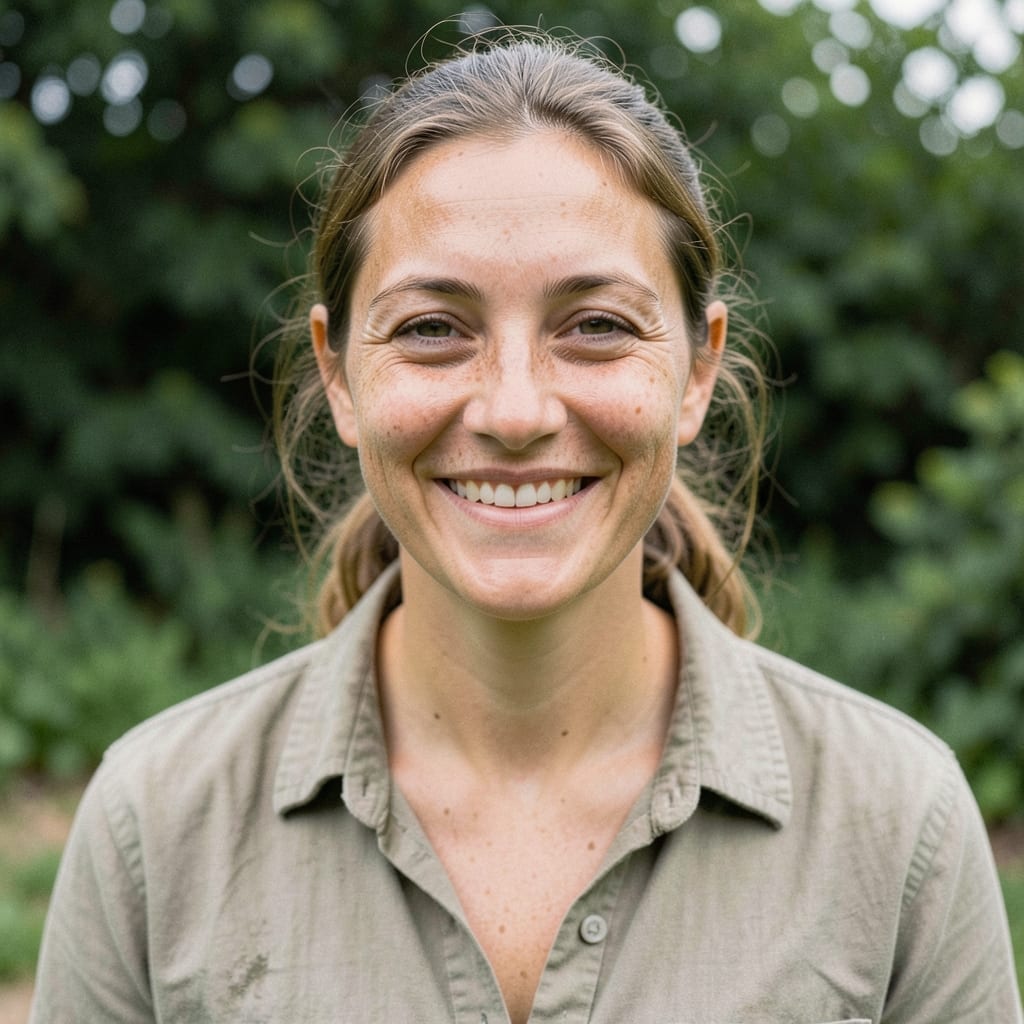
Estelle Pennington is the person who still has dirt under her fingernails three showers after gardening. She writes here because she’s tired of advice that sounds good until you try it—and because she’d rather admit her mistakes than pretend she knows everything.
The rules we work by
- 1Fail first
Every ‘tip’ here comes from a plant that died—or nearly did. If we haven’t killed something trying to grow it, we haven’t learned enough to write about it. Cost: at least one sad plant per season.
- 2Measure everything
No ‘a little water’ or ‘lots of sun.’ We time how long seeds take to sprout, weigh harvests, and note the exact temperature when a soil mix turns sour. Cost: a kitchen scale, a notebook, and the patience to record the obvious.
- 3Grow the ugly ones
We don’t edit out the lopsided tomatoes or the flowers that never opened. If a plant looks wrong but still produces, we write about it—and why it matters. Cost: space for ‘imperfect’ crops and the courage to show them.
- 4Assume the reader is smarter
We don’t dumb down the science. If you need to know why nitrogen fixes matter or how mycorrhizal fungi work, we’ll explain it—but we won’t pretend you’re holding a plant for the first time. Cost: readers who skip ahead (and the occasional confused email).
- 5Update when we’re wrong
If new evidence changes a tip, we fix it—even if it means admitting we were wrong. Last year, we swore basil hated cold frames; this year, we’re eating the proof. Cost: ego and the risk of looking inconsistent.
Breaking these rules usually means a season’s worth of dead plants and a very embarrassed author. Last spring, we ignored Rule #2 and ‘eyeballed’ the water for a batch of seedlings—resulting in a tray of moldy soil and a lesson in why humidity matters more than we thought. The fix?
A hygrometer and a strict ‘no guessing’ policy. Rules exist to be tested, not worshipped.
This will not be right for everyone
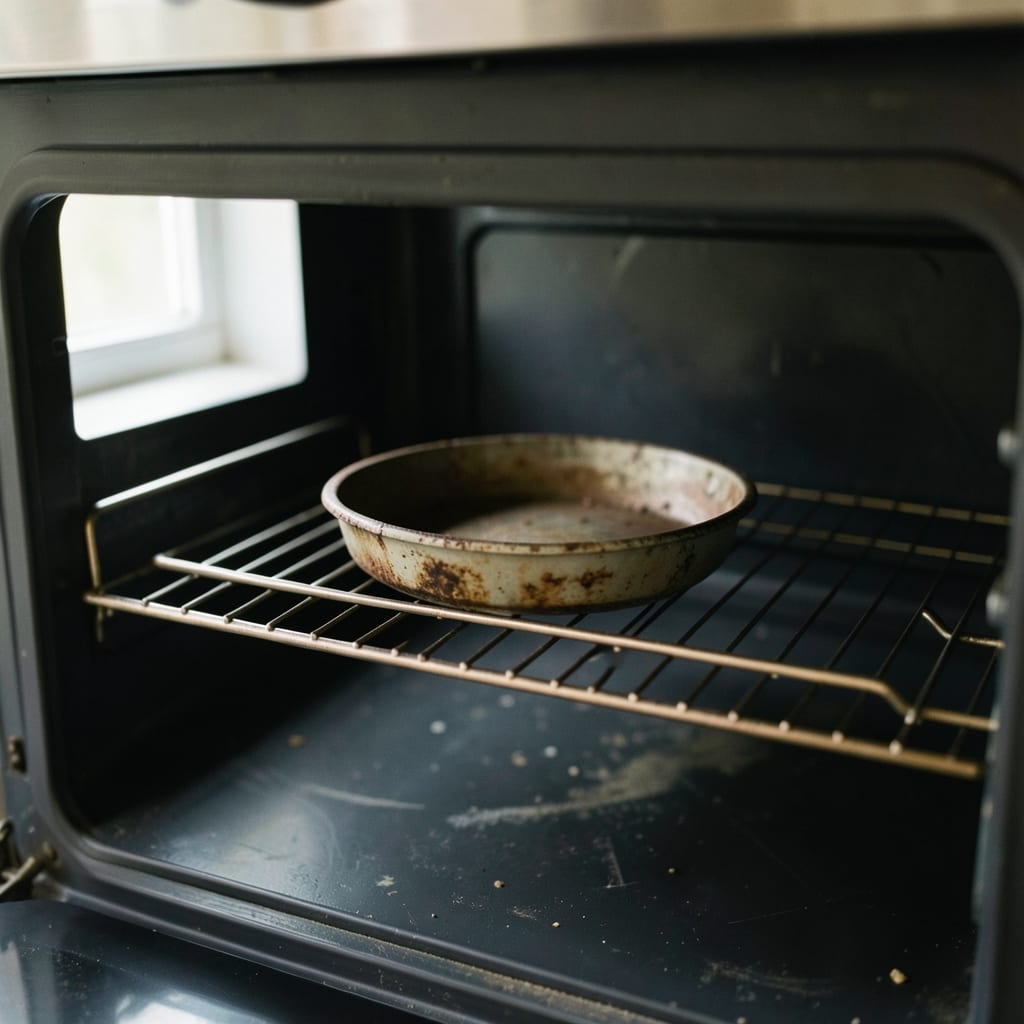
Close this page if you’re looking for fluffy inspiration or before-and-after photos of ‘perfect’ gardens. We don’t do ‘aspirational’ gardening—just the gritty, often messy reality of what works (and what doesn’t) in a real plot.
This site is for people who’ve Googled ‘why is my zucchini flowering but not fruiting’ at 2 a.m. and gotten more questions than answers. If you’d rather hear about ‘garden dreams,’ there are plenty of other places to go.
You could just be told what you want to hear
We could say ‘plant these seeds in spring and watch them grow’ without mentioning the slugs, the drought, or the year the frost hit before the beans set. But we’d be lying—and you’d end up with the same dead plants we did.
The things worth telling you about are the ones that don’t fit into neat paragraphs: like how the ‘perfect’ compost recipe fails when your soil is already too rich, or why your tomatoes split even though you watered ‘just right.’
Worth telling us
- The gardening myths that *actually* hold up (and the ones that don’t).
- What happens when you break a ‘rule’—like pruning too late or fertilizing at the wrong time.
- The quiet failures no one talks about: the seeds that rot in the packet, the plants that thrive for one season and then collapse.
The guides are grouped by category: Advice, Blooming, Container Gardens, Diseases, How To and Planting.