
Size
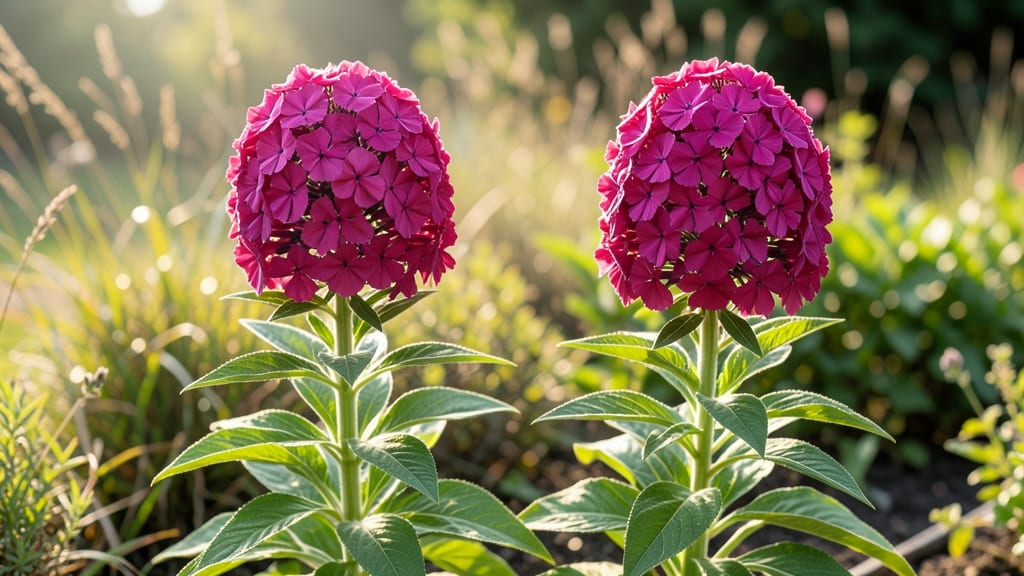
Wondering how tall do garden phlox get? These vibrant blooms can grow anywhere from 1 foot to over 4 feet, depending on the variety you choose—and picking the right one makes all the difference for your garden’s layout.
Picture this: a dwarf phlox like 'Little Lamb' stays compact at just 12 inches, perfect for borders, while 'David' shoots up to 5 feet, creating a dramatic backdrop for your patio. The height isn’t just about aesthetics; it’s also about airflow, sunlight access, and even how you prune.
Too little space between plants? You’ll end up with leggy stems and fewer blooms. Too much room, and your garden will look sparse. I’ll break down the spacing rules for each height range, plus how to control growth naturally without sacrificing those showy clusters.
By the end, you’ll know exactly which phlox fits your space—and how to keep them thriving for years of color. Let’s get started.

Garden phlox height guide: tall vs. dwarf varieties explained
Garden phlox (Phlox paniculata) is one of those showstopper perennials that can transform your garden with its fragrant clusters of blooms. But here's the catch: some varieties will reach towering heights of 5 feet, while others stay neatly contained at just 12 inches tall.
Understanding these differences is key to planning your garden layout and avoiding overcrowding. Whether you're designing a backyard border or a container garden, knowing exactly how tall your phlox will grow ensures both beauty and functionality.
The height of garden phlox varies dramatically based on the cultivar you choose. Dwarf varieties like 'Little Missuff' stay compact, perfect for front-of-border planting, while tall varieties like 'David' can reach 4-5 feet, making them ideal for backyard focal points.
Even within the same species, growth habits differ—some phlox grow in tight clumps, while others develop looser, airy forms. Let's break down the height ranges and specific examples to help you pick the perfect phlox for your space.
| Variety | Mature Height | Growth Habit | Best Use |
|---|---|---|---|
| 'Little Missuff' | 12-18 inches | Compact clumps | Front borders, containers |
| 'Lavender Lace' | 18-24 inches | Bushy, rounded | Mid-border planting |
| 'David' | 36-48 inches | Tall, upright stems | Backyard focal points |
| 'Miss Wilford' | 24-36 inches | Semi-dwarf, bushy | Cut flower gardens |
| 'Blue Paradise' | 40-50 inches | Tall, sturdy stems | Backyard borders |
Dwarf phlox varieties like 'Little Missuff' typically reach 12-18 inches tall, making them perfect for small gardens or container planting. These compact plants create a dense cluster of blooms close to the ground, ideal for walkway edges or rock gardens.
Their smaller stature also means they require less staking support and are easier to maintain. If you're working with limited vertical space, dwarf phlox is an excellent choice for adding color and fragrance without overwhelming your layout.
Semi-dwarf varieties like 'Lavender Lace' and 'Miss Wilford' bridge the gap between compact and towering phlox, growing 18-36 inches tall. These plants offer a balanced height that works well in mid-border planting or as cut flowers.
Their bushy growth habit provides a fuller look compared to taller varieties, making them versatile for various garden designs. Semi-dwarf phlox also tends to have stronger stems, reducing the need for additional support in most cases.
Tall phlox varieties like 'David' and 'Blue Paradise' can reach 36-50 inches tall, making them standout features in any garden. These varieties are perfect for backyard borders or mixed perennial beds, where their height adds vertical interest.
However, their taller stature means they require stronger stems and may need staking or support in windy areas. When planted in groups, tall phlox creates a dramatic backdrop for shorter perennials and annuals.
One factor that influences phlox height is sunlight exposure. While most phlox thrive in full sun (6+ hours daily), some varieties may grow slightly taller in partial shade.
For example, 'Lavender Lace' might reach its maximum height of 24 inches with ample sunlight but stay slightly shorter in partial shade. Always check the specific care requirements for your chosen variety to ensure optimal growth.
Proper sunlight also affects bloom production, so positioning your phlox correctly is crucial for a show-stopping display.
Soil quality plays a significant role in determining how tall your phlox will grow. Well-draining, fertile soil with a slightly acidic to neutral pH (6.0-7.0) encourages healthy root development and robust growth. Amending your soil with compost or organic matter can help dwarf varieties reach their
Optimal spacing rules to prevent overcrowding in phlox beds
Proper spacing for phlox isn't just about aesthetics—it's about plant health. When phlox are too crowded, they compete for nutrients and sunlight, leading to fewer blooms and increased disease risk.
For dwarf varieties (12–18 inches tall), aim for 12–18 inches apart in beds. This spacing ensures airflow while keeping your borders neat and full.
Taller phlox varieties like 'David' or 'Miss Wilford' (3–5 feet) need even more room—24–36 inches apart. This prevents stems from flopping over and allows sunlight to reach lower leaves, which is critical for bloom production.
I’ve learned the hard way that cutting corners on spacing leads to leggy, weak plants by mid-summer.
Here’s the key: airflow reduces fungal diseases like powdery mildew, which thrives in damp, crowded conditions. Phlox with good airflow also re-bloom more vigorously because they’re not stressed. If you’re planting in full sun, slightly wider spacing (up to 36 inches) helps prevent heat stress on the lower stems.
✅ Pros of Correct Spacing
- ✔ Better airflow = fewer diseases
- ✔ More blooms per plant
- ✔ Easier maintenance (less pruning needed)
❌ Cons of Poor Spacing
- ✖ Leggy growth (fewer blooms)
- ✖ Higher disease risk (powdery mildew)
- ✖ Overcrowded look (less visual appeal)
One common mistake I see is planting phlox too close in containers. In pots, reduce spacing by 25–30% since roots are confined, but still allow 6–12 inches apart for dwarf varieties. For tall phlox in containers, use 1–2 gallon pots per plant to prevent root binding, which stunts growth.
If you’re mixing phlox with other perennials, pair dwarf varieties (like 'Nora Leigh') with low-growing companions such as coresopsis or sedum. For tall phlox, try black-eyed Susans or Russian sage in the back row to create depth without competing for space.
The right neighbors can extend your phlox season by attracting pollinators longer.
Finally, prune wisely to maintain spacing. After the first flush of blooms, cut back 1/3 of the stems to encourage bushier growth. This not only prevents overcrowding but also rejuvenates the plant for a second bloom cycle in late summer.
Just avoid heavy pruning in fall—let the foliage die back naturally to protect the roots.