Container Gardens
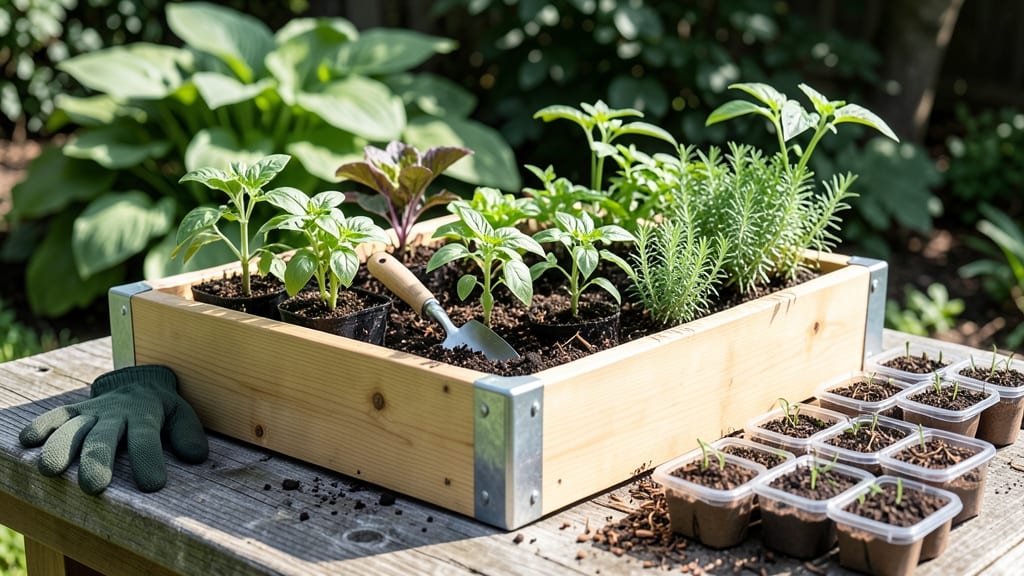
Portable raised garden beds let you grow more in less space without the hassle of permanent installations 🌱 — and they’re easier to move than you’d think.
Picture this: a tiny balcony or a cramped backyard suddenly transformed into a thriving garden. No more excuses about "not enough room" or "heavy soil." These beds are the game-changer for urban gardeners, renters, or anyone who wants flexibility.
They stack, they roll, and they turn even a postage-stamp patio into a harvest hotspot.
But here’s the catch: not all portable beds are created equal. Some struggle with drainage, others wobble when stacked, and a few just don’t hold up over time.
I’ve tested the best materials, designs, and placement tricks to help you avoid those mistakes—and get the most out of your small space.
In this guide, you’ll discover how to choose the right bed for your needs, where to place them for maximum sun and airflow, and the stackable designs that double (or even triple) your growing area without sacrificing stability. Let’s get started!
How stackable portable raised garden beds maximize space and productivity
When space is limited but your gardening ambitions aren't, stackable portable raised garden beds become a game-changer. These innovative designs transform tight areas into high-yield growing zones by stacking vertically, effectively doubling—or even tripling—your planting space without expanding your footprint.
The key lies in their modular design, which allows you to adjust height and configuration based on your needs and available sunlight.
Unlike traditional in-ground gardens or single-tier raised beds, stackable systems leverage vertical growing techniques to optimize sunlight exposure and airflow. Each tier can host different plants with varying sunlight requirements, creating a micro-ecosystem that maximizes productivity.
For example, leafy greens like lettuce or spinach thrive in partial shade on lower tiers, while sun-loving tomatoes or peppers can claim the top spots where they receive unobstructed sunlight.
Another advantage is the weight distribution in these designs. Most stackable beds are engineered with reinforced corners and interlocking joints to ensure stability, even when fully loaded with soil and plants.
This means you can safely stack up to 3-4 tiers without worrying about collapse, provided you follow manufacturer guidelines for weight limits. For instance, a 4-tier system with cedar framing can support up to 500 lbs when properly constructed.
Drainage is often a concern with tiered systems, but modern designs incorporate built-in drainage holes at the base of each tier. Some even feature removable bottom trays to catch excess water, preventing soil erosion and root rot. This is especially useful in container gardens where water retention is critical.
For example, a 3-tier bed with 12" deep soil per tier can hold enough moisture for deep-rooted plants like carrots or onions while still allowing excess water to escape.
Now, let's compare how different stackable designs perform in terms of space efficiency, plant compatibility, and maintenance ease. The table below breaks down three popular configurations to help you choose the best fit for your garden.
The modular grid system is ideal for serious gardeners who want to maximize space with a variety of plants. Its 4-tier design allows you to grow everything from tomatoes at the top to root vegetables in the lower tiers.
The trade-off is slightly higher maintenance due to the need to reach the top levels, but this can be mitigated with lightweight ladders or step stools.
For those with limited mobility or smaller spaces, vertical pocket planters are a fantastic choice. These systems use fabric pockets or small containers stacked vertically, making them perfect for growing herbs, strawberries, or leafy greens.
They’re also easier to water and maintain, as the pockets hold moisture efficiently and reduce the risk of soil erosion. Plus, their compact design fits easily on balconies or patios.
If you're focused on high-value crops like peppers or bush beans, stackable cube kits offer a unique advantage. These often come with built-in trellises or support structures, allowing vining plants to grow upward while freeing up ground space.
However, they may require more frequent soil checks to prevent compaction in the lower tiers, especially during heavy watering.
One of the biggest myths about stackable raised beds is that they’re only for small-scale gardening. In reality, you can create a full-scale garden using these systems by connecting multiple units together.
For example, a 4-tier system placed side by side can mimic the functionality of a traditional in-ground garden but with the added benefits of better drainage, pest control, and soil customization.
This makes them perfect for urban gardeners or anyone looking to grow organically without the hassle of tilling or weeding.
To get the most out of your stackable beds, start by assessing your sunlight exposure. Place taller plants on the south-facing side of your beds to ensure they receive maximum light, while shade-tolerant plants can be positioned on the north side.
Rotate your beds every few weeks to ensure even growth and prevent soil depletion in specific areas. This simple step can boost your yields by up to 30%.
Top 5 materials and designs for heavy-yield portable garden beds
Choosing the right material for your portable raised garden beds makes all the difference in yield, durability, and ease of movement. Cedar, composite wood, and metal frames each bring unique strengths—but they also come with trade-offs.
For example, cedar resists rot naturally but needs sealing, while metal frames last decades but can overheat in summer. Let’s break down the pros and cons so you can pick the perfect fit for your urban balcony, patio, or small backyard.
Your bed’s weight capacity and design stability depend heavily on the material. A cedar bed might hold 300-500 lbs when filled with soil and plants, while metal frames can support 600+ lbs without sagging.
If you’re growing heavy crops like tomatoes or squash, metal or reinforced composite designs are worth the investment. For lighter veggies or herbs, cedar or untreated wood can work beautifully with less upfront cost.
Here’s a quick comparison to help you decide:
Material Comparison for Portable Raised Beds
- Natural rot resistance
- Lightweight and easy to move
- Aesthetic appeal (great for patios)
- No maintenance (no sealing)
- Resists warping and cracking
- Long lifespan (20+ years)
- High weight capacity
- Durable and long-lasting
- Modern, sleek designs
- Requires sealing every 2-3 years
- Can warp if not stored properly
- Attracts termites in humid climates
- Expensive upfront cost
- Can get too hot in summer (insulate with mulch)
- Less eco-friendly than wood
- Can overheat in sun (use shade cloth)
- More expensive than wood
- Requires rust-proof coating
For urban balconies, I recommend lightweight cedar or composite beds with built-in handles. These are easy to move when you need to adjust for sunlight or rotate crops.
If you’re working with a small backyard, opt for stackable metal frames—they maximize vertical space while handling heavy loads like zucchini or pumpkins. Just remember to add insulating mulch to protect roots from metal’s heat in summer.
Durability is another key factor. Cedar beds last 10-15 years with proper care, while composite and metal can last 20+ years. If you’re renting or planning to relocate, cedar’s lower cost and mobility make it a smart choice.
For permanent setups, composite or metal frames pay off long-term with minimal upkeep. Always check for drainage holes and sturdy legs to prevent wobbling when stacked.
My top pick? A composite wood frame with metal corner reinforcements. It combines the best of both worlds—no maintenance, high durability, and the ability to support heavy yields without breaking the bank.
Plus, you can paint it to match your patio decor! For a budget-friendly option, cedar beds with a waterproof liner work wonders for herbs and leafy greens.
No matter which material you choose, prioritize easy assembly and portability features like wheels or handles. Happy planting—your future harvests will thank you! 🌱