How To
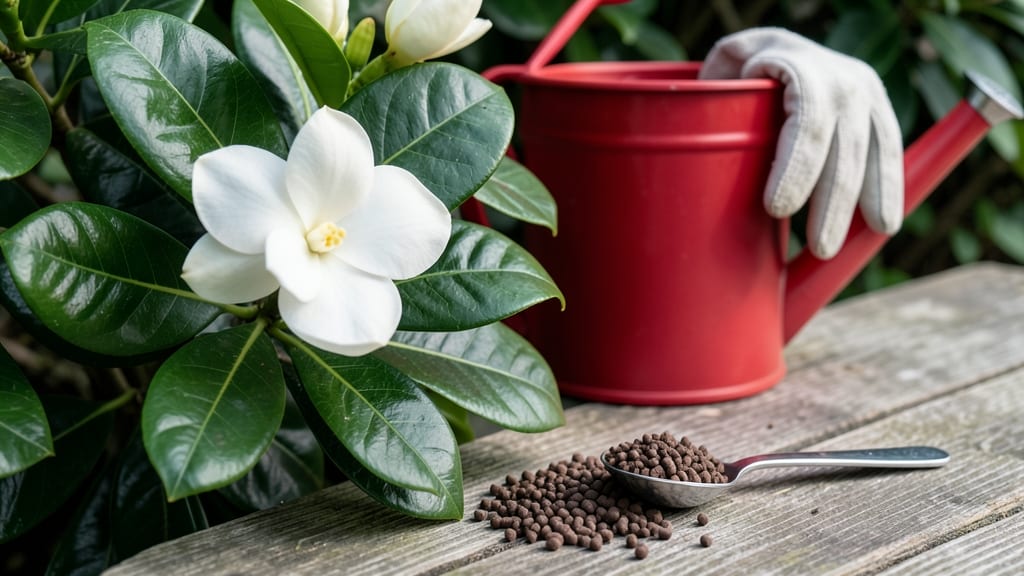
Fertilizing gardenia 🌸 at the right time is the difference between lush, fragrant blooms and struggling foliage — and the best windows are spring and early summer.
Your gardenia’s stunning white blooms could be struggling if you’re fertilizing at the wrong time—timing is everything for these finicky yet rewarding plants.
In Zone 6, where gardenias thrive, the ideal months are March through June, when the plant is actively growing but not yet stressed by summer heat.
Below, I’ll break down the exact schedule, how to spot nutrient needs, and the one mistake that kills gardenias faster than drought.
Optimal fertilizing schedule for gardenias: spring & fall timing explained
Gardenias thrive when you fertilize in sync with their natural growth cycles, not on a rigid calendar. These acid-loving shrubs need nutrients during their active growth phases—spring and early summer—to produce those iconic fragrant white blooms.
The key is timing: fertilizing at the wrong time can stress your plant or even stunt its growth, leading to fewer flowers and weaker foliage.
Most gardeners make the mistake of fertilizing gardenias year-round, which can cause root burn or nutrient overload. Instead, focus on two critical windows: early spring (just as new growth begins) and late summer/early fall (to prepare for next year’s blooms).
This approach mimics how gardenias would naturally feed in their native tropical environments.
| Season | Fertilizing Window | Purpose | Frequency |
|---|---|---|---|
| Spring | Late March - Early April | Stimulate new growth | Every 4-6 weeks |
| Summer | June - July | Support blooming | Light feeding only |
| Fall | September - October | Prepare for dormancy | None (skip) |
| Winter | November - February | Dormant period | None (skip) |
The spring fertilizing window (late March to early April) is all about waking up your gardenia after its winter dormancy. This is when your plant begins producing new leaves and buds, and it needs a balanced fertilizer (like 10-10-10) to support this rapid growth.
I like to use a slow-release granular fertilizer for this phase because it provides steady nutrients without overwhelming the roots.
Apply the fertilizer in the early morning when the soil is moist but not soggy. Water your gardenia thoroughly after applying to help the granules dissolve and reach the roots.
Avoid fertilizing if your plant is already showing signs of stress, like yellowing leaves or wilting, as this could indicate other underlying issues.
During the summer months, gardenias focus their energy on blooming rather than leaf growth. This is why summer fertilizing should be light and infrequent. I switch to a half-strength liquid fertilizer every 6-8 weeks to avoid overloading the plant.
The goal here is to support the flowering process, not encourage excessive foliage growth, which can reduce bloom production.
Many gardeners overlook the importance of fall fertilizing, but the truth is, you should skip fertilizing entirely in fall and winter. Gardenias enter a natural dormancy period as temperatures drop, and feeding them during this time can stimulate weak, tender growth that won’t survive the cold.
Instead, focus on mulching around the base of your plant to insulate the roots and protect them from freezing temperatures.
If you’re in a warmer climate (like USDA Zone 8 or higher), you might see some growth in late fall or early winter. In these cases, a very light feeding in late winter (February) can help, but only if your gardenia is actively growing.
Always check for new growth before applying any fertilizer—if you don’t see buds or leaves, hold off until spring.
One common mistake I see is over-fertilizing in summer, which can lead to leaf burn or even root damage. Gardenias are sensitive to high salt levels from fertilizers, so it’s better to under-feed than over-feed.
If you notice brown edges on leaves or a white crust on the soil surface, flush the soil with water immediately to reduce salt buildup.
To make fertilizing easier, I recommend setting reminders for your spring and summer feeding schedules. Use a simple calendar or gardening app to track when you last fertilized.
This helps prevent missed feedings or accidental over-application. Remember, consistency is key—gardenias respond best to a predictable feeding routine that aligns with their natural growth patterns.
By following this seasonal fertilizing schedule, your gardenia will reward you with healthier foliage, more abundant blooms, and a stronger root system. The secret isn’t just what you fertilize with, but when you fertilize—so pay attention to your plant’s cues and adjust your timing accordingly. 🌸
How to choose the right fertilizer for gardenias (and when to avoid it)
Choosing the right fertilizer for gardenias depends on whether you prefer organic or synthetic options, both of which impact your plant’s growth and bloom production. Gardenias thrive in acidic soil (pH 5.0-6.5), so selecting a fertilizer that maintains this balance is critical.
Organic options like composted manure or fish emulsion slowly release nutrients, while synthetic fertilizers offer precise nutrient ratios but can disrupt soil pH if overused.
Timing matters just as much as the type—fertilizing at the wrong time can lead to burned roots, stunted growth, or even leaf drop. For example, applying fertilizer in winter stresses the plant because it’s dormant, while spring and early summer are ideal for feeding.
Below, I’ll break down the pros and cons of each fertilizer type and when to avoid fertilizing altogether.
When to Fertilize Gardenias: Pros & Cons
✅ DO Fertilize
- Early Spring (March): Encourages new growth after dormancy.
- Late Spring/Early Summer (May-June): Supports bloom production.
- Organic options: Slow-release nutrients prevent root burn.
- Balanced NPK (10-10-10): Matches gardenia’s needs for blooms and foliage.
❌ DON’T Fertilize
- Winter months (Nov-Feb): Plant is dormant; feeding causes stress.
- After blooming season (July-August): Overfeeding leads to weak new growth.
- Synthetic fertilizers in hot weather: Risk of root burn and leaf scorch.
- If soil is already nutrient-rich: Over-fertilizing harms more than it helps.
Organic fertilizers like compost or worm castings are my top recommendation for gardenias because they improve soil structure and maintain acidity over time. These options release nutrients gradually, reducing the risk of fertilizer burn. For example, a fish emulsion applied every 6 weeks in spring provides nitrogen for foliage and phosphorus for blooms without disrupting the soil’s pH.
On the other hand, synthetic fertilizers like 10-10-10 offer quick results but require careful monitoring. I’ve seen gardeners accidentally over-fertilize in summer, leading to yellowing leaves and fewer blooms. Always dilute synthetic fertilizers to half-strength and apply them in the early morning to avoid leaf damage from heat.
One common mistake is fertilizing gardenias in fall or winter, which forces the plant to grow when it should be resting. This weakens its ability to handle frost and reduces next year’s blooms.
Instead, focus on mulching with pine needles or peat moss to maintain soil acidity naturally during these months.
To test if your gardenia needs fertilizer, look for yellowing leaves or sparse blooms—these are clear signs of nutrient deficiency. However, if new growth appears leggy or leaves curl, you may have over-fertilized.
Adjust your routine by cutting back on feedings and increasing watering to flush excess salts from the soil.
For best results, pair your fertilizer choice with regular soil pH tests and adjust as needed. Gardenias are finicky but rewarding—when you get the timing and type right, you’ll enjoy abundant, fragrant blooms year after year. 🌸