Blooming
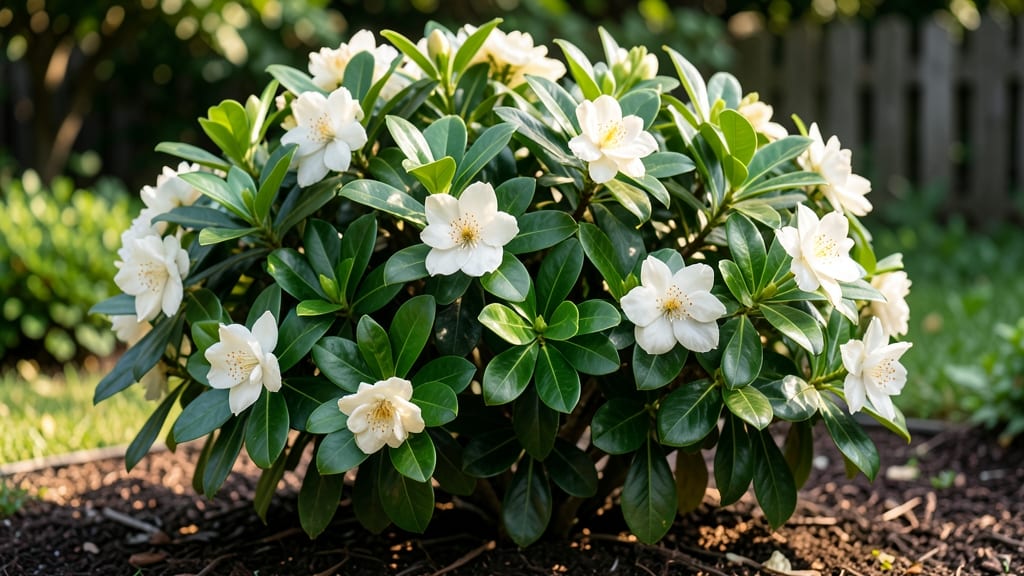
Gardenia bushes bloom in late spring through summer 🌸, with most varieties hitting their peak fragrance between June and August in USDA Zone 6a.
If you’ve ever wondered why your gardenia bushes seem to vanish their signature intoxicating scent at the wrong time, you’re not alone—timing is everything when it comes to these fragrant divas.
Climate plays a huge role: tropical varieties may stretch blooms into fall, while cooler regions like Zone 6a force a tighter window. The key? Light, water, and feeding all work together to coax those creamy blooms.
In this guide, I’ll break down the exact timing for your gardenia’s variety, how to spot when buds are ready, and 3 simple tricks to extend that fragrant season—even if you’re not in a tropical paradise.
Gardenia bloom seasons: understanding natural and varietal timing
If you’ve ever wondered why your gardenia bushes seem to vanish their signature intoxicating scent at the wrong time, you’re not alone—timing is everything when it comes to these fragrant divas.
Gardenias are famous for their creamy white blooms and intoxicating fragrance, but their bloom seasons vary dramatically based on variety and climate. Understanding these patterns helps you anticipate—and even encourage—those show-stopping floral displays.
Most gardenias bloom in late spring to summer, typically between May and July, when temperatures warm but haven’t yet become scorching. However, tropical varieties and those grown in warmer climates may bloom year-round or in early spring.
The key lies in recognizing your gardenia’s natural blooming cycle and adjusting care to align with it.
Climate plays a massive role in bloom timing. In USDA Zones 8-11, gardenias often bloom in spring and fall, while in cooler zones like Zones 6-7, they may only bloom once in late spring or early summer. Even indoor gardenias can follow a seasonal rhythm, influenced by daylight hours and temperature shifts.
Let’s break down the bloom seasons by variety and how to identify your gardenia’s unique cycle. This summary-table will help you match your plant’s behavior to its type and location.
Now that you’ve matched your gardenia to its bloom season type, let’s dive deeper into how to identify blooming cycles. Start by observing your plant’s bud formation. Gardenias typically produce buds in late winter or early spring, which swell and turn pale green before opening.
In cooler climates, this process aligns with rising temperatures, while tropical varieties may show buds year-round.
Pay attention to your gardenia’s leaf growth patterns as well. Healthy, dark green leaves indicate the plant is ready to bloom, while yellowing or dropping leaves can signal stress or nutrient deficiencies, which may delay blooming.
If your gardenia is indoor-grown, note whether buds form in spring or summer—this often mirrors natural daylight cycles.
Another key clue is your gardenia’s response to temperature shifts. Most varieties need warm days and cool nights to trigger blooming. In hot climates, gardenias may bloom in spring and fall to avoid summer heat stress.
If you live in a warmer zone but notice blooms disappearing in summer, your plant might be heat-stressed—providing afternoon shade can help.
For gardeners in cooler regions, blooming often coincides with the last frost date. In USDA Zone 7, for example, gardenias typically bloom between May and June, while in Zone 9, they may stretch blooms into early fall.
If your gardenia isn’t blooming when expected, check for underwatering or overwatering, as both can disrupt the blooming cycle.
Pro tip: Keep a gardening journal to track your gardenia’s blooming patterns. Note the month, temperature, and care routine each time buds appear. Over time, you’ll spot trends—like whether your plant blooms earlier with extra sunlight or later after a pruning session.
This knowledge lets you fine-tune care for even more fragrant blooms.
Understanding your gardenia’s natural blooming rhythm is the first step to creating a year-round fragrance display. Whether your plant thrives in spring’s mild weather or tropical warmth, aligning care with its needs ensures those iconic blooms arrive at the perfect time.
Next, we’ll explore how to extend blooming seasons with simple, science-backed techniques.
How to extend gardenia blooms year-round: proven techniques
Gardenia bushes are famous for their intoxicating fragrance, but their natural blooming cycle often feels too short. With the right techniques, you can coax your gardenias into producing flowers nearly year-round.
The key lies in understanding their natural rhythms and gently manipulating their environment to keep them happy and blooming.
Most gardenias follow a spring-to-summer blooming pattern, but tropical varieties can extend this into fall. To push beyond their natural limits, focus on three core strategies: light control, nutrient timing, and microclimate adjustments.
These tweaks can transform your gardenia from a seasonal showstopper into a perpetual fragrant centerpiece.
- 1. Light Manipulation: Use grow lights (12-14 hours/day) in winter to mimic long summer days. Place lights 12-18 inches above the plant for even coverage.
- 2. Strategic Pruning: Prune after blooming (late summer) to remove spent flowers and shape the bush. Avoid heavy pruning in winter as it can delay spring blooms.
- 3. Fertilizer Schedule: Feed with acid-loving fertilizer (like 10-10-10) every 4-6 weeks during growing season (spring-fall). Skip winter feeding to prevent overgrowth.
- 4. Microclimate Control: Create a humid microclimate by grouping plants together or using a pebble tray. Gardenias thrive in 60-70% humidity, especially indoors.
- 5. Temperature Regulation: Keep gardenias in 65-75°F range. Use a space heater (set to 65°F) near indoor plants during winter to prevent dormancy.
- 6. Root Zone Care: Mulch with pine bark to maintain acidic soil (pH 5.0-6.5). Refresh mulch annually to prevent compaction.
- 7. Blooming Triggers: Apply a low-nitrogen fertilizer (like 5-10-10) in early spring to signal blooming time. Avoid high-nitrogen feeds that promote leafy growth over flowers.
Start by adjusting your light exposure—gardenias need bright, indirect light year-round. In winter, supplement with a full-spectrum LED grow light for 6-8 hours daily. This mimics the longer daylight hours of summer, tricking your plant into thinking it's still growing season.
Pair this with a consistent watering schedule—keep soil moist but not soggy, as soggy roots can stress the plant and delay blooming.
For outdoor gardenias, create a sheltered microclimate using burlap windbreaks or a small greenhouse during cooler months. This protects them from cold drafts and temperature fluctuations, which can shock the plant and halt flower production.
In containers, move pots to a sunny patio in summer and bring them indoors near a south-facing window in winter.
Monitor your gardenia’s response to these changes—look for new bud formation as a sign of success. With patience and consistency, you’ll enjoy fragrant blooms well beyond their natural season. The secret is balancing care with the plant’s natural instincts, not forcing it into an unnatural cycle.
Remember, gardenias reward gentle persistence. Start with one technique at a time, like adding grow lights or adjusting humidity, and observe how your plant responds. Over time, you’ll unlock the secret to year-round gardenia blooms that fill your garden—or home—with their signature sweet fragrance.