
Fertilization
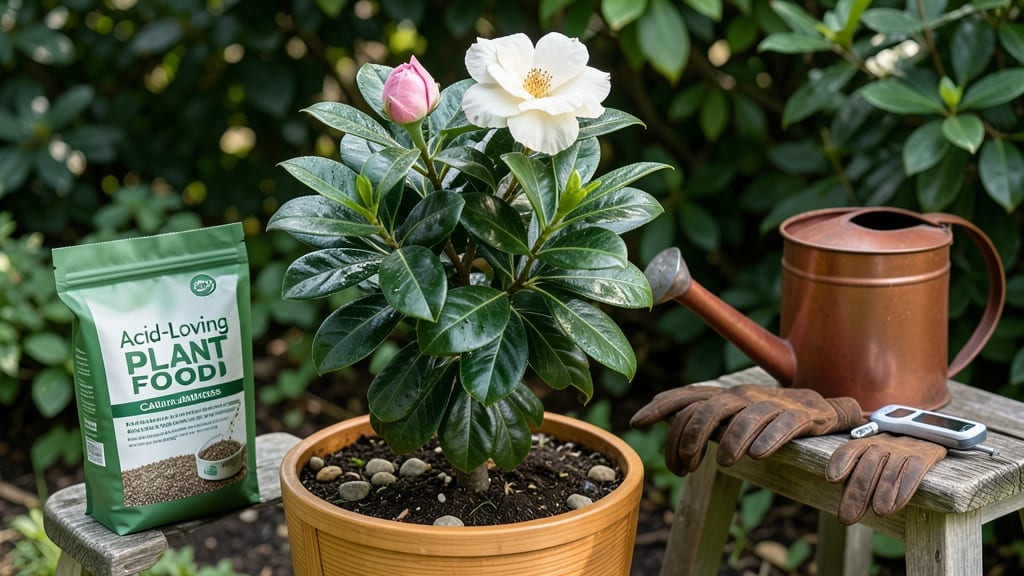
Using acid-based fertilizer for gardenias is the game-changer behind those fragrant, white blooms 🌸 that make neighbors jealous.
But here’s the catch: most gardeners overlook the soil pH, and that’s why their gardenias struggle—even with the best care. These tropical beauties demand acidic soil (4.5–5.5 pH), and the wrong fertilizer can turn lush foliage into a sad, yellowing mess.
In this guide, I’ll walk you through the best acid-based fertilizers, how to apply them without burning roots, and the telltale signs your gardenias are begging for a pH boost. No more guessing—just vibrant blooms and happy plants.
You’ll also learn how to troubleshoot common issues like stunted growth or leaf discoloration, plus when to switch to a balanced fertilizer. Let’s get your gardenias thriving again!
How acid-based fertilizers work to boost gardenia growth and blooms
Gardenias are finicky about their soil—too alkaline, and they’ll sulk with yellow leaves and sparse blooms. The key to their happiness? Acid-based fertilizers that maintain their ideal pH range of 4.5–5.5.
These fertilizers don’t just feed your plants; they actively lower soil pH, making essential nutrients like iron, manganese, and phosphorus more available. Without proper acidity, gardenias struggle to absorb these nutrients, leading to weak growth and fewer flowers.
Think of acid-based fertilizers as a pH balancer for your gardenias.
They work by releasing hydrogen ions (H+) into the soil, which react with alkaline minerals like calcium and magnesium, lowering the pH. Common ingredients in these fertilizers—such as iron sulfate, aluminum sulfate, or sulfur-coated urea—are designed to create that perfect acidic environment.
Without them, your gardenias might look healthy on the surface but starve internally.
🌸 Why does pH matter so much? Gardenias are acid-loving plants, meaning they’ve evolved to thrive in acidic soils. When the pH rises above 6.0, nutrients like iron become locked away in the soil, even if they’re present. This is why you might see yellowing leaves (chlorosis)—a classic sign of iron deficiency—despite fertilizing. Acid-based fertilizers break this cycle by keeping the soil’s pH in the sweet spot for nutrient uptake.
| Fertilizer Type | How It Lowers pH | Key Nutrients Added | Best For |
|---|---|---|---|
| Iron Sulfate | Releases H+ ions; reacts with alkaline minerals | Iron, sulfur | Quick pH correction, chlorosis |
| Aluminum Sulfate | Dissolves slowly, lowering pH over time | Aluminum, sulfur | Long-term acidification |
| Peat-Based Fertilizers | Organic matter breaks down, releasing acids | Nitrogen, phosphorus, potassium | Slow-release feeding, container plants |
| Sulfur-Coated Urea | Sulfur oxidizes, creating sulfuric acid | Nitrogen, sulfur | Gradual acidification, lawns/beds |
| Cottonseed Meal | Organic matter decomposes, releasing acids | Nitrogen, phosphorus | Organic gardens, long-term soil health |
One of the biggest misconceptions is that any fertilizer will work for gardenias. Standard balanced fertilizers (like 10-10-10) can actually raise soil pH over time, especially if your soil is already slightly alkaline. That’s why it’s critical to test your soil’s pH before applying any fertilizer.
A simple home pH test kit (around $10) can save you from over-acidifying your soil, which can harm roots and stunt growth.
When you apply an acid-based fertilizer, it’s not just about dropping the pH—it’s about maintaining consistency. Gardenias need their soil to stay in the 4.5–5.5 range year-round. If you notice yellowing leaves between the veins (a sure sign of iron deficiency), it’s time to act.
Sprinkle a ¼ cup of iron sulfate around the base of the plant and water it in. Within a few weeks, you should see new green growth as the iron becomes available again.
Another red flag is poor blooming or bud drop. Gardenias are heavy feeders, but they need the right conditions to produce those fragrant white flowers.
If your plant is loaded with leaves but no blooms, it might be struggling with phosphorus uptake, which is more efficient in acidic soil. A phosphorus-rich acid fertilizer (like 6-10-4) can help encourage flowering. Apply it in early spring when the plant is gearing up for its blooming season.
Timing is everything when it comes to acid-based fertilizers. For container gardenias, I recommend feeding every 6–8 weeks during the growing season (spring through fall). For in-ground plants, a slow-release acid fertilizer applied in early spring and again in early summer works well.
Always water the soil thoroughly after applying to help distribute the fertilizer and prevent root burn. And remember: less is more—overdoing it can make your soil too acidic, which is just as harmful as soil that’s too alkaline.
If you’re still seeing issues after fertilizing, consider amending your soil with organic matter like pine bark fines or composted leaves. These materials naturally lower pH as they break down and add beneficial microbes to the soil.
Mix a 2–3 inch layer into the top 6 inches of soil around your gardenia, and water it in. Over time, this
Best acid-based fertilizers for gardenias: types, application rates, and safety tips
When it comes to feeding your gardenias, not all fertilizers are created equal. These acid-loving plants demand specific soil conditions (pH 4.5–5.5) to absorb nutrients like iron and manganese efficiently.
The wrong fertilizer can lock out these essential minerals, causing yellow leaves and poor blooming. Let’s explore the best acid-based fertilizers—both organic and synthetic—and how to use them safely.
Organic options like peat moss and pine bark fines gently lower pH over time, while synthetic choices such as iron chelates deliver quick results. Each has its place in your gardenia care routine, depending on your plant’s needs and your gardening style.
I’ll break down the pros and cons so you can choose what works best for your garden.
Organic vs. Synthetic Acid-Based Fertilizers for Gardenias
Organic Options
- ✅ Gentle pH adjustment – Gradual acidification prevents root burn.
- ✅ Improves soil structure – Adds organic matter for better drainage.
- ✅ Cost-effective – Often cheaper than synthetic fertilizers.
- ❌ Slower results – Takes weeks to months to lower pH significantly.
- ❌ Requires frequent reapplication – Breaks down over time.
Synthetic Options
- ✅ Fast-acting – Lowers pH in days, ideal for quick fixes.
- ✅ Precise nutrient delivery – Targets specific deficiencies like iron.
- ✅ Longer-lasting – Some formulations release nutrients slowly.
- ❌ Risk of over-acidification – Can damage roots if overused.
- ❌ Higher cost – Often more expensive per application.
For organic gardeners, peat moss and pine bark fines are my top recommendations. Mix 2–3 inches of peat moss into the soil at planting time, or sprinkle pine bark fines around the base of mature plants.
Both materials release acidity slowly, making them perfect for long-term soil health. Coffee grounds also work well—just bury them 2 inches deep to avoid attracting pests.
Synthetic fertilizers like iron chelates or sulfur-coated urea are ideal for correcting immediate pH issues. Follow the label instructions carefully—typically, you’ll dilute liquid fertilizers to half-strength (e.g., 1 tablespoon per gallon of water) and apply every 4–6 weeks during the growing season.
Always water the soil thoroughly before and after application to prevent root burn.
Seasonal timing matters too. Feed your gardenias in early spring (March–April) to encourage new growth and blooms, and again in late summer (August–September) to prepare for winter.
Avoid fertilizing in winter, as your plant is dormant and won’t absorb nutrients efficiently. For container gardenias, reduce the dose by half to prevent salt buildup.
If you’re unsure about your soil’s pH, grab a soil test kit (available at garden centers) and test before applying any fertilizer. Aim for a pH of 5.0–5.5—any lower, and you risk damaging your plant’s roots.
Pro tip: A simple DIY acidifier mix of 1 cup white vinegar per gallon of water can give your gardenias a quick pH boost between feedings.