
Light Requirements
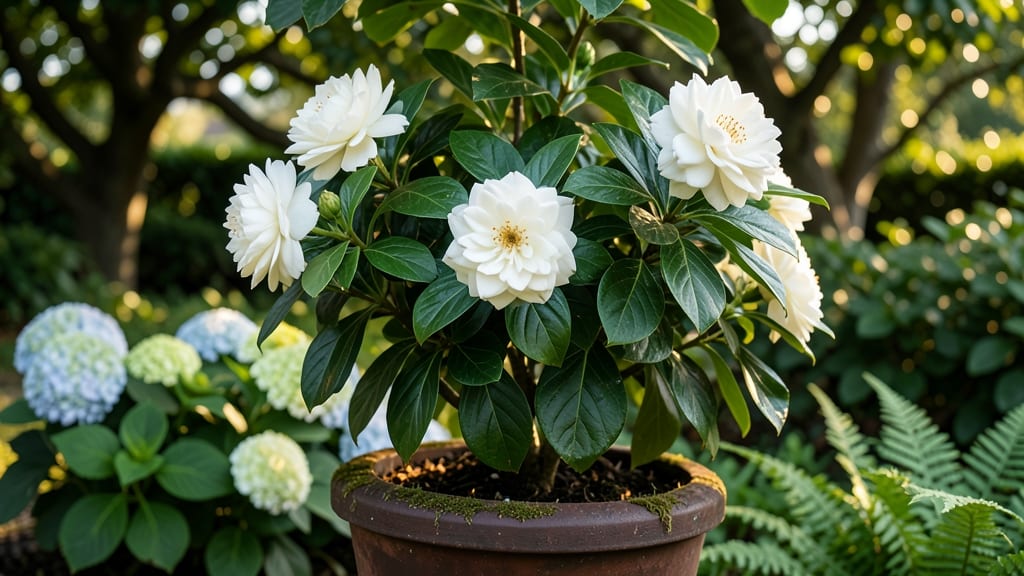
The August Beauty Gardenia’s stunning white blooms 🌸 depend on the right sun requirements—too much scorches the leaves, while too little stunts growth and halts flowering.
If you’ve ever watched your gardenia’s leaves yellow or its blooms dwindle in August’s brutal heat, you’re not alone. The key isn’t just "sun" or "shade"—it’s the perfect mix of morning brightness and afternoon relief, especially in USDA Zone 9b climates.
This guide breaks down how to give your gardenia the ideal light conditions for year-round blooms, from adjusting shade in peak summer to avoiding winter light deprivation.
You’ll learn how to spot signs of over- or under-exposure, prune for better airflow and light access, and even supplement natural light if your gardenia lives indoors.

Ideal sunlight exposure for August beauty gardenia in August’s heat
The August Beauty Gardenia thrives in bright, indirect light with a delicate balance of morning sun and afternoon shade. During August’s scorching heat, direct afternoon sun can scorch leaves, while too little light reduces blooms.
Aim for 4-6 hours of morning sunlight followed by dappled shade—this mimics their native tropical understory conditions.
Humidity plays a critical role here. In high-humidity zones, gardenias tolerate slightly more sun, while dry climates require extra afternoon shade. If your gardenia’s leaves yellow or crisp, it’s a sign of sunburn or dehydration—adjust immediately to prevent permanent damage.
🌱
In USDA Zone 9b and warmer, gardenias need afternoon protection. Use 50% shade cloth or plant near deciduous trees that provide natural shade by late afternoon. If your gardenia is in a container, move it to a shaded patio during peak heat hours (12 PM - 3 PM).
Temperature also affects light needs. When August temps exceed 90°F (32°C), gardenias become stressed—even with perfect light. Increase humidity with a pebble tray or misting (early morning only) to help them cope with intense sun.
💧
For indoor gardenias, place them near an east-facing window where sunlight is gentle. South-facing windows may require sheer curtains to diffuse harsh rays. Rotate the pot weekly to ensure even growth—gardenias grow toward the light, which can cause lopsided shapes if not rotated.
Watch for bud drop, a common sign of light stress. If buds form but fall before opening, your gardenia isn’t getting enough light or is overheating. Adjust placement immediately and consider a reflective surface (like a white wall) to amplify natural light.
🌸
Pro tip: Prune leggy branches in early August to improve airflow and light penetration. Remove any yellowing leaves—they block sunlight from reaching lower growth. After pruning, fertilize lightly with an acid-loving plant food to support new blooms.
By mastering this morning sun/afternoon shade routine, your August Beauty Gardenia will reward you with continuous blooms even in the hottest months. The key is observation—adjust gradually and watch your plant’s response!
How to adjust sunlight for year-round blooms beyond August
Your August Beauty Gardenia thrives on partial shade year-round, but seasonal shifts demand smart adjustments. In spring and fall, it craves 4-6 hours of morning sun—perfect for blooming. Yet, summer’s brutal afternoon rays can scorch delicate leaves, while winter’s weak sunlight may slow growth.
Balancing these extremes is key. Start by placing your gardenia where it gets gentle morning light (6 AM–12 PM) and afternoon shade (12 PM–4 PM). Use lightweight shade cloth (30-50%) during peak summer heat to mimic its natural tropical habitat.
For indoor gardenias, rotate pots weekly to ensure even light exposure.
Seasonal Sunlight Adjustments for August Beauty Gardenia
✅ DO This
- Spring/Fall: 4-6 hrs morning sun + afternoon shade
- Summer: Add 30-50% shade cloth by 12 PM
- Winter: Move near south-facing windows for extra light
- Indoors: Use grow lights 12 hrs/day in low-light months
- Prune: Thin overcrowded branches for better airflow/light
❌ Avoid This
- Direct midday sun (scorches leaves in summer)
- Deep shade year-round (leads to sparse blooms)
- Sudden shade changes (stresses plant; transition gradually)
- East/west windows only (uneven light causes leaf drop)
- Pruning in winter (removes next season’s blooms)
Pruning plays a critical role in optimizing light. In late winter or early spring, trim dead or crossing branches to improve airflow and let sunlight penetrate the center. Avoid heavy pruning in summer or fall, as this can stress the plant and reduce blooming potential.
For indoor gardenias, supplement natural light with LED grow lights (6,500K color temperature) for 12 hours/day during winter. Place lights 12-18 inches above the plant and adjust height as it grows. Pair this with regular rotation to prevent leggy growth from uneven light exposure.
Watch for seasonal signs of light stress. Yellowing leaves in summer often mean too much sun, while pale, sparse foliage in winter signals insufficient light. Adjust shade or move your gardenia gradually (over 1-2 weeks) to avoid shock. Consistency is key—August Beauty Gardenias reward patience with year-round blooms.
Pro tip: Use a light meter (or phone app) to track 1,000–3,000 foot-candles of light—ideal for partial shade. This helps fine-tune placement, especially in overcast winters or intense summer climates. With these adjustments, your gardenia will thrive beyond August, gracing your space with fragrant white blooms all year. 🌸