
Tools
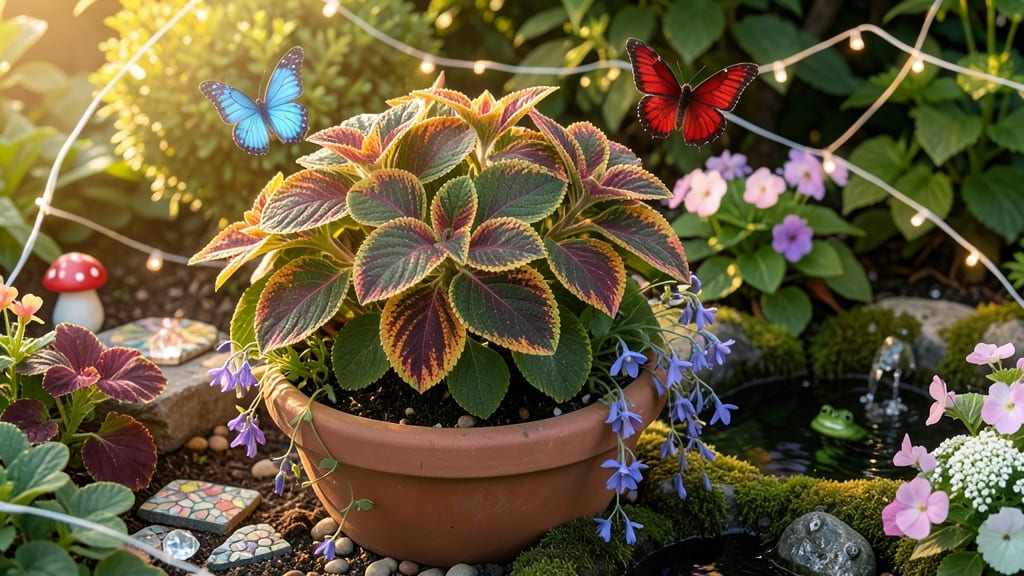
Creating an enchanted garden with colors that bloom together naturally is easier than you think—and it starts with the right palette.
Imagine stepping into a garden where every season feels like a fairy tale, with flowers transitioning seamlessly from soft lavenders in spring to deep purples in autumn. The key isn’t just picking pretty plants; it’s understanding how their colors interact, just like a painter’s brushstrokes.
This collection of seasonal palettes does the work for you, blending effortlessly for a magical year-round display.
Whether you’re designing a cozy corner or a full backyard retreat, the right color combinations can transform your space into a dreamy escape. We’ll explore how to layer hues for depth, choose low-maintenance plants that thrive together, and even tweak your layout to make colors pop—without the fuss.
No green thumb required, just a little inspiration.
Ready to turn your garden into a living canvas? Below, you’ll find step-by-step guidance on selecting plants that harmonize by season, plus pro tips to keep your magical colors vibrant all year. Let’s make your outdoor space feel like a storybook.
How to design a seasonal enchanted garden color palette
Creating an enchanted garden isn't about forcing bright colors together—it's about letting nature's natural seasonal transitions guide your palette. The magic happens when you select complementary plants that bloom sequentially, creating a smooth color journey from spring's soft pastels to winter's frosty hues.
Start by understanding color theory basics. Enchanted gardens often use cool tones (blues, purples, silvers) combined with warm accents (deep reds, golds). These combinations evoke mystery and whimsy while feeling organic. The key is to choose seasonal bloomers that naturally overlap, ensuring your garden never looks bare.
For example, pair spring's lavender and bluebells with summer's coneflowers and black-eyed susans. As the lavender fades, the coneflowers take over, maintaining that magical color flow. This layered approach keeps your garden vibrant year-round without constant replanting.
Here's how to visualize your seasonal color transitions using this practical guide:
| Season | Primary Colors | Key Plants | Transition Tip |
|---|---|---|---|
| Spring | Soft purples, pinks, whites | Lavender, bluebells, daffodils | Plant bulbs early for early blooms |
| Summer | Deep reds, oranges, yellows | Coneflowers, black-eyed susans, marigolds | Add drought-tolerant perennials |
| Autumn | Burnt oranges, deep purples, golds | Chrysanthemums, asters, sedum | Include late-blooming perennials |
| Winter | Silvers, whites, icy blues | Hellebores, winter jasmine, evergreens | Use structural plants for texture |
Begin with your spring palette, which sets the foundation for the entire year. Choose early bloomers like crocuses and snowdrops that emerge before other plants. These cool-toned flowers create a dreamy atmosphere and signal that your enchanted garden is awakening.
As spring transitions to summer, introduce bold, warm hues like red salvia and orange daylilies. These sun-loving plants thrive in summer heat and provide striking contrasts against spring's softer colors. Place taller varieties at the back of borders to create natural depth and draw the eye upward.
For autumn, focus on textural plants like sedum and ornamental grasses that add movement to your garden. Their deep burgundy and gold foliage create a fairy-tale forest effect when combined with warm-toned flowers. Don't forget to include late-blooming perennials that extend your color season.
Winter may seem limiting, but it's the perfect time to showcase evergreen textures and silver foliage. Plants like boxwood, holly, and lamb's ear provide structure while winter jasmine adds delicate yellow blooms. Even in dormancy, your garden can feel magical through texture and subtle color accents.
To maintain harmony, always group plants by color family rather than scattering them randomly. This creates visual cohesion and makes your garden feel intentional. For example, cluster all your purple bloomers together in one area—this makes the color pop more dramatically while keeping the space balanced.
Remember that foliage colors play a crucial role too. Variegated leaves with creamy edges or deep burgundy centers add unexpected pops of color that complement your blooms. Try pairing silver foliage plants like lamb's ear with deep purple flowers for a moonlit garden effect.
Finally, don't underestimate the power of lighting to enhance your enchanted colors. String fairy lights through trees or place solar-powered garden lights near your favorite color spots. At night, these lights will make your seasonal palette glow like a magical forest.
Best flower combinations for magical enchanted garden colors
Creating an enchanted garden starts with the right flower combinations that harmonize like a painter’s palette. The magic happens when colors complement each other naturally, shifting seamlessly with the seasons.
For spring, soft pastels like lavender and blush pink create a dreamy atmosphere, while bold summer hues of magenta and cobalt blue evoke drama. Autumn brings fiery tones of burnt orange and deep purple, and evergreens like silver foliage add winter charm.
I’ve curated seasonal pairings that require minimal effort but deliver maximum enchantment. These combinations work together in sunlight conditions from partial shade to full sun, ensuring versatility for any garden spot. The key is balancing textures—pairing delicate blooms with bold foliage or mixing heights for visual depth.
Spring Pastel Palette
- Soft colors create calming atmosphere
- Low-maintenance perennials like lavender
- Attracts pollinators early in season
- Some varieties fade in heat
- Requires consistent moisture
- May need staking for tall blooms
Summer Bold Palette
- Vibrant hues stand out in sunlight
- Heat-tolerant annuals like zinnias
- Long blooming season (June-Sept)
- Some need frequent deadheading
- May attract pests like aphids
- Requires fertile soil
Autumn Fiery Palette
- Deep colors contrast beautifully
- Late-season bloomers like chrysanthemums
- Perfect for fall weddings
- Some die back after frost
- May need protection from wind
- Limited sunlight in late fall
For spring, try pairing lavender with peony and bleeding heart—their soft pinks and purples create an ethereal effect. Add silver foliage plants like lamb’s ear for texture contrast. These combinations thrive in partial shade and require minimal care, perfect for beginners.
Summer gardens shine with bold color contrasts. Try black-eyed Susans alongside salvia and cleome for a striking mix of gold, purple, and white. These sun-lovers need well-draining soil and regular watering to keep their vibrant hues popping all season.
For a low-maintenance option, zinnias in fiery reds and oranges pair beautifully with purple verbena.
Autumn’s fiery palette comes alive with deep purples like aster and sedum, paired with burnt orange mums. Add copper-colored foliage like Japanese maple for extra drama. These combinations handle cooler temperatures well and often bloom until the first frost, extending your enchanted season.
Winter gardens stay magical with evergreen accents. Pair holly with heather in soft pinks and boxwood for structure. Add ornamental grasses like maiden grass for movement. These plants require minimal watering once established and provide year-round interest.