Planting
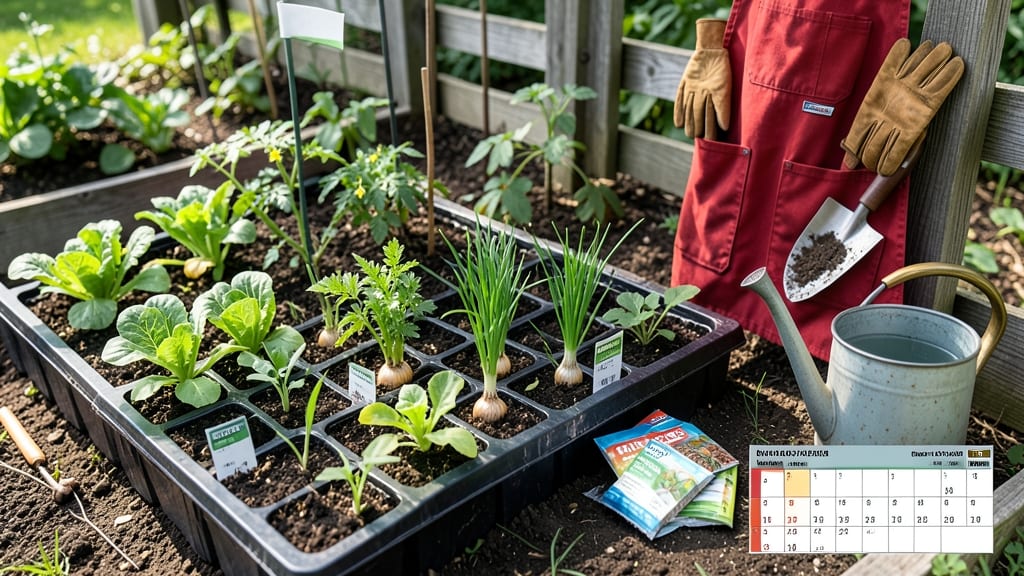
To plant a vegetable garden in Ontario without risking frost damage or missing peak harvests, timing is everything — and the last frost date for your region is your starting point.
Ontario gardeners know the stakes: plant too early and risk frost damage, too late and miss peak harvests. This guide reveals the exact last-frost dates for Ontario’s five regions (2024) and the optimal planting windows for 20+ vegetables, from cool-season greens to heat-loving tomatoes.
Whether you’re in Zone 5a near the Quebec border or Zone 6b in southwestern Ontario, the right timing ensures your 🥬 thrives. We’ll break down when to sow seeds indoors, transplant seedlings, and direct-sow outdoors—plus how to extend your season with row covers and cold frames.
By the end, you’ll know not just when to plant, but how to adjust for your microclimate, soil temperature, and even container gardening. Let’s get those seeds in the ground at the perfect moment!
Ontario last-frost dates by region (2024): when to start planting
Ontario’s diverse climate means your last-frost dates can vary by 10 days or more depending on where you garden.
Knowing your region’s average last frost helps you time cool-season crops like peas and spinach for early planting, while warm-season favorites like tomatoes and peppers need to wait until after the danger zone has passed.
Below, I’ve broken down the 2024 last-frost dates for Ontario’s 5 key regions, plus planting windows tailored to your local microclimate.
For example, gardeners in Southwest Ontario (like London or Windsor) can start planting hardy greens as early as late April, while those in Northern Ontario (Sudbury or Timmins) should wait until mid-June for frost-sensitive crops.
Even within a region, microclimates—like urban heat islands or sheltered valleys—can shift your planting window by 1-2 weeks. Always check your USDA hardiness zone (Ontario ranges from 3a to 6b) and monitor local weather forecasts for real-time updates.
Pro Tip: Use a frost watch app or local agricultural extension reports to fine-tune your dates. For instance, the Golden Horseshoe (Toronto, Hamilton) often sees its last frost around May 15, but a late frost in early June isn’t unheard of. Plan accordingly by starting warm-season crops indoors 4-6 weeks before your region’s average last frost.
If you’re in Zone 5a or 5b (common in Eastern and Northern Ontario), prioritize fast-maturing crops like bush beans (50-60 days) or radishes (25-30 days). In Zone 6a or 6b (Southwest Ontario), you can afford to plant longer-season crops like squash (70-90 days) or tom
Best planting schedule for Ontario vegetables: from peas to pumpkins
Timing your vegetable garden in Ontario isn’t just about avoiding frost—it’s about maximizing your harvest window. Cool-season crops like spinach and peas thrive when planted early, while heat-lovers such as tomatoes and squash need warm soil.
Below is your step-by-step schedule for Ontario’s most popular vegetables, tailored to the province’s 5 regions.
Remember: Southern Ontario (Zones 5b-6b) has a longer growing season than Northern Ontario (Zones 4a-5a). Adjust dates by 1-2 weeks if you’re in a cooler zone. For frost-sensitive crops, always wait until soil temperatures reach 10°C (50°F)—a soil thermometer is your best friend!
- 1 Early April: Start cool-season crops indoors or under row covers—spinach, kale, radishes, and peas. Direct-sow onions and potatoes outdoors.
- 2 Late April: Harden off seedlings (like broccoli and cabbage) for transplanting. Direct-sow carrots, beets, and lettuce outdoors.
- 3 After May long weekend (early June): Plant tomatoes, peppers, and eggplants outdoors once soil is warm. Start cucumbers and squash indoors for transplanting.
- 4 June: Direct-sow beans, corn, and summer squash. Succession-plant lettuce and radishes every 2 weeks for continuous harvests.
- 5 July-August: Plant fall crops like spinach, kale, and turnips for harvest before frost. Use row covers to extend the season.
For succession planting, repeat sowings every 2-3 weeks for crops like lettuce, radishes, and bush beans. This ensures a steady supply and prevents gluts. For example, plant radishes every 10 days from April to July—you’ll never run out!
Pro tip: Keep a gardening journal to track your local frost dates and adjust future planting schedules. In my garden, tomatoes planted after June 10th always yield better because the soil has fully warmed. Experiment with microclimates—south-facing beds warm up faster than shady spots.
If you’re in Northern Ontario, prioritize fast-maturing varieties (like bush beans over pole beans) and use black plastic mulch to warm soil quickly. For container gardening, start seeds indoors 4-6 weeks before your last frost date—this gives heat-lovers like peppers a head start.
By following this schedule, you’ll avoid the common mistakes of planting too early (frost damage) or too late (poor yields). Happy planting—your homegrown harvest is just weeks away! 🌱