Watering
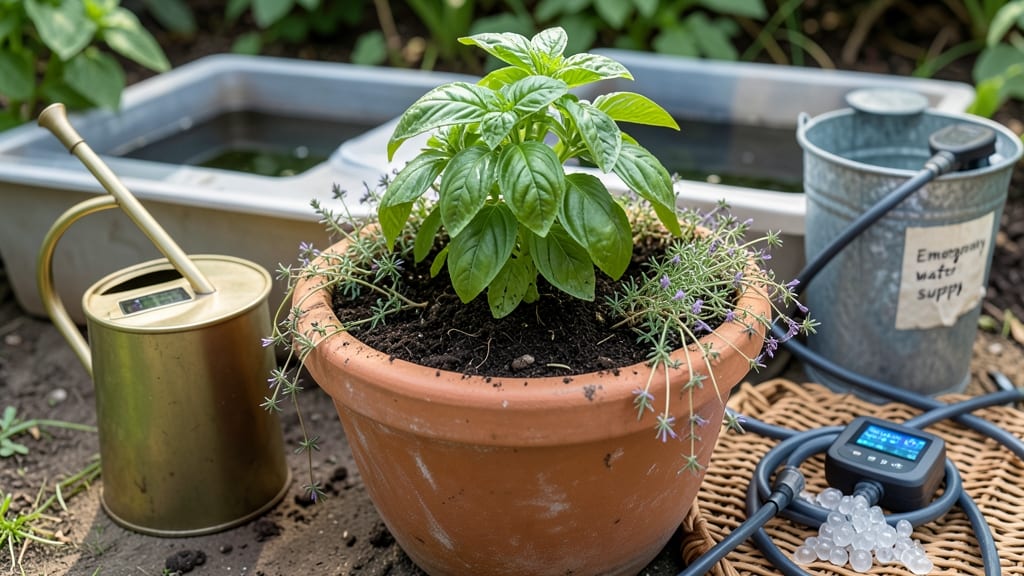
Watering your garden while away doesn’t have to mean wilting plants and wasted trips back home—there are smart, hands-off solutions that keep your 🌱 thriving no matter how long you’re gone.
Picture this: you return to a lush, hydrated garden instead of a sad, thirsty mess. The key is choosing the right system for your plants and trip length, whether you’re gone for a weekend or a month.
No more guessing if you left the hose running or if the rain saved the day.
From affordable DIY tricks to high-tech drip irrigation, I’ll walk you through the best ways to automate watering so your garden stays happy—without overwatering or draining your wallet. You’ll learn what works for short trips, what lasts for extended absences, and how to tweak your setup for different climates.
Ready to ditch the worry? By the end, you’ll have a foolproof plan to keep your garden alive while you’re away, saving time and stress. Let’s get your plants covered!
Best automated watering systems for travelers and busy gardeners
When you're planning a trip or simply don’t have time to hand-water your garden daily, automated watering systems become your best friend. These systems deliver precise, consistent moisture to your plants, preventing both underwatering and overwatering while you’re away.
Whether you have a small container garden or a sprawling backyard, there’s a solution tailored to your needs—and budget.
The key is choosing a system that matches your garden size, plant types, and trip duration. For example, drip irrigation works well for large in-ground gardens, while self-watering pots are perfect for potted herbs and veggies on balconies.
Let’s break down the top options, their pros and cons, and which scenarios they’re best suited for.
For large gardens, a drip irrigation system paired with a smart timer is my top recommendation. These systems deliver water directly to the roots, reducing waste and ensuring even coverage.
The smart timer lets you set schedules remotely via an app, so you can adjust watering based on weather forecasts before you leave.
If you’re traveling for 1–2 weeks, self-watering pots or wicking beds are game-changers for container gardens. They hold enough water to sustain plants without daily attention, and many come with reservoirs that can be filled before you depart.
For example, a 5-gallon self-watering pot can keep herbs like basil or mint hydrated for up to 10–14 days.
For sensitive plants like orchids or succulents, soil moisture sensors are worth the investment. These devices monitor moisture levels in real-time and can trigger alerts if your plants need water.
Pair one with a drip system, and you’ll get a closed-loop watering solution that adapts to your garden’s needs automatically.
One common mistake I see is overwatering when using automated systems. Always test your setup for 24–48 hours before your trip to ensure water is flowing correctly and no leaks occur. A leaky hose or clogged emitter can turn your garden into a swamp overnight.
For budget-conscious gardeners, a DIY drip system made from PVC pipes and emitters can work wonders for under $50. Combine it with a mechanical timer (like the Orbit B-hive), and you’ve got a reliable setup for short trips. Just
DIY smart watering hacks for short trips under $50
Short on time but still want to keep your herbs thriving or vegetables alive while you’re away? You don’t need expensive gadgets—just a few clever tricks using items you likely already have.
These budget-friendly hacks will keep your container plants or in-ground garden hydrated for 3–7 days without breaking the bank.
Whether you’re heading out for a weekend or a week-long vacation, these methods ensure your potted plants get just the right amount of water—no more, no less. I’ve tested these solutions myself, and they work beautifully for tomatoes, peppers, herbs, and even flowering plants.
Let’s dive into the easiest, cheapest ways to automate your watering routine.
How to Water Your Garden While Away
- 1 Plastic Bottle Watering – Cut the bottom off a 2-liter plastic bottle, bury it neck-down near the plant roots, and fill it with water. This creates a slow-release system that waters for 3–5 days.
- 2 Capillary Mat Setup – Lay a felt or fabric capillary mat under pots, soak it in water, and drape it over a bucket or tray. The mat wicks water to the roots for 5–7 days without direct contact.
- 3 DIY Drip System – Poke holes in a plastic jug or soda bottle, place it upside-down near plants, and bury it partially. The water drips out slowly, perfect for herbs or small veggies for 4–6 days.
- 4 Sponge Watering – Soak a houseplant sponge in water, place it near the soil surface, and cover with mulch. It releases moisture gradually, ideal for small pots or seedlings for 2–4 days.
For longer trips, combine these methods—like using the plastic bottle system for deep watering and a capillary mat for surface moisture. Always test your setup a few days before your trip to ensure it’s working as expected.
Overwatering is just as harmful as underwatering, so adjust based on your climate and plant types.
Pro tip: Group plants with similar water needs together to simplify your setup. For example, basil and lettuce need more frequent watering, while succulents or rosemary can go longer between drinks. This way, one system can cover multiple plants efficiently.
With these low-cost, no-fuss solutions, you’ll return to a garden that’s as vibrant as the day you left—no wilting leaves or sad stems in sight! 🌱