
Tools
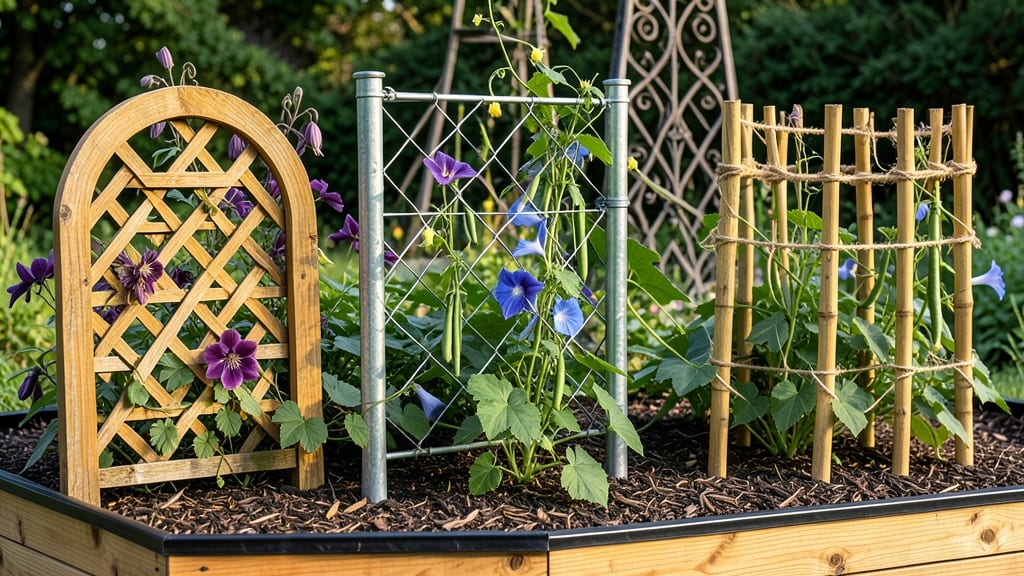
Garden bed trellis ideas can turn your climbing plants into a vertical garden masterpiece while freeing up precious ground space.
Imagine your cucumbers sprawling gracefully up a rustic wooden lattice instead of sprawling across your patio, or your roses creating a living privacy screen that blooms all summer long.
The right trellis doesn't just support your plants—it transforms your garden into a structured, eye-catching display that maximizes every inch of your space.
Whether you're working with a small balcony garden or a sprawling backyard, there's a trellis design to fit your needs—from simple DIY projects using repurposed materials to elegant pre-made structures that blend seamlessly with your landscape.
The key is choosing one that matches your plants' growth habits, your garden's layout, and your aesthetic preferences.
In this guide, you'll discover 12 space-saving trellis designs, learn how to pair them with the perfect climbing companions, and get step-by-step instructions for building your own—so you can grow more without growing your footprint.
12 Creative garden bed trellis designs for small spaces
Maximizing vertical space in your garden doesn't mean sacrificing beauty or productivity. With the right garden bed trellis designs, you can train climbing plants like cucumbers, beans, or roses to grow upward, freeing up precious ground space for other crops.
Whether you're working with a tiny balcony garden or a small backyard plot, these 12 trellis ideas will help you create functional and visually stunning plant supports.
Trellises aren't just practical—they're also a fantastic way to add architectural interest to your garden. From rustic wooden A-frame trellises to sleek metal obelisk designs, there's a trellis style to match every aesthetic and plant type.
Plus, many of these designs can be built with simple materials like bamboo, PVC pipes, or repurposed wood, making them budget-friendly options for gardeners of all levels.
Below, you'll find a comparison of 12 unique trellis designs, including their best uses, materials, and whether they're better suited for DIY projects or pre-made purchases.
| Trellis Type | Best For | Materials | Height | DIY Level |
|---|---|---|---|---|
| A-Frame Trellis | Cucumbers, Pole Beans, Morning Glories | Wood, Bamboo, PVC | 4-6 ft | Beginner |
| Obelisk Trellis | Peas, Cucumbers, Nasturtiums | Metal, Wood, Concrete | 5-7 ft | Intermediate |
| Teepee Trellis | Pole Beans, Sweet Peas, Clematis | Bamboo, Wooden Stakes, Chicken Wire | 3-5 ft | Easy |
| Spiral Trellis | Cucumbers, Melons, Morning Glories | Wood, Metal Wire | 4-6 ft | Intermediate |
| Arbor Trellis | Roses, Clematis, Grapevines | Wood, Metal, Stone | 6-8 ft | Advanced |
| Hobbit Arch | Roses, Climbing Hydrangeas, Wisteria | Wood, Metal | 5-7 ft | Intermediate |
| Ladder Trellis | Cucumbers, Pole Beans, Squash | Wood, PVC | 3-5 ft | Beginner |
| Cage Trellis | Tomatoes, Peppers, Eggplants | Metal Wire, Chicken Wire | 4-6 ft | Easy |
| Fan Trellis | Cucumbers, Melons, Gourds | Wood, Metal | 4-6 ft | Intermediate |
| Tunnel Trellis |
How to choose the best trellis for your climbing plantsChoosing the right trellis for your climbing plants starts with understanding their unique needs. Heavy vines like pole beans or kiwi plants require sturdy structures, while delicate morning glories thrive on lightweight frames. Your trellis must match the plant's growth habit—whether it twines, clambers, or self-clings—to provide proper support without restricting development. Consider your garden's layout too. A vertical garden bed with limited space benefits from compact designs like teepee trellises or A-frame structures, while larger areas can accommodate sprawling arbor-style trellises. The trellis should also align with your sunlight exposure—south-facing gardens may need taller structures to prevent shading lower plants. Here’s a quick reference to help you match your plants with the perfect trellis type based on their characteristics: Don’t overlook maintenance requirements when selecting your trellis. Wooden structures need seasonal sealing to prevent rot, while metal trellises may require rust-proof coatings. For edible plants like cucumbers or beans, opt for food-safe materials like untreated cedar or galvanized metal to avoid contamination. Another critical factor is your trellis’s stability. Heavy vines or wind exposure demand trellises anchored with concrete footings or buried stakes. If your garden bed sits on a slope, choose a trellis with a wide base or add guy wires for extra support during storms. Finally, think about aesthetics. A trellis should complement your garden’s design—whether it’s a rustic wooden lattice for a cottage garden or a sleek metal frame for a modern space. Pairing the right trellis with your plants not only supports their growth but also creates a cohesive, visually stunning display that enhances your outdoor living area. |