
Fertilization
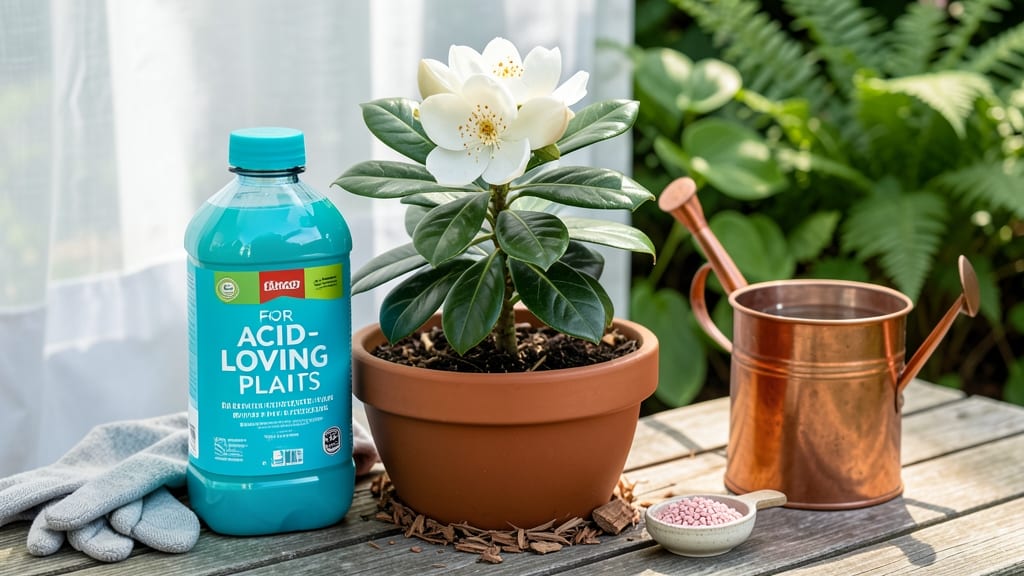
The right fertilizer for gardenias in pots is the game-changer between year-round blooms and a sad, leafy shrub with no flowers.
Picture this: You’ve spent months nurturing your 🌸 gardenia, only to watch it throw out lush green leaves but refuse to bloom. The issue? Most gardeners reach for the wrong fertilizer—or worse, skip it entirely. Gardenias thrive on acidic, nutrient-rich food, but not all fertilizers deliver.
Too much nitrogen, and you’ll get foliage instead of fragrance. Too alkaline, and the roots struggle to absorb anything. The secret is a balanced, acid-forming blend that mimics their natural soil conditions.
This guide cuts through the guesswork by breaking down the best fertilizers—from granular blends to DIY mixes—plus the exact timing and amounts to keep your potted gardenia happy. We’ll also cover the red flags of over- or under-feeding so you can troubleshoot before your plant throws in the towel.
Ready to unlock those scented blooms? Let’s dive into what your gardenia truly craves—and how to feed it right for vibrant, long-lasting flowers.
Best acidic fertilizers for potted gardenias: commercial vs homemade blends
Potted gardenias (🌸) thrive when their acidic soil needs (pH 5.0–6.0) are met, but not all fertilizers deliver. Commercial blends like Miracle-Gro Azalea promise quick results, while DIY mixes (like coffee grounds) offer budget-friendly acidity.
The right choice depends on your bloom goals, budget, and maintenance time.
Gardenias demand low pH to absorb nutrients like iron and magnesium, which commercial fertilizers provide in precise ratios. Homemade options, however, require patience and consistent application to avoid nutrient imbalances.
Let’s compare the top acidic fertilizer options—both store-bought and homemade—to help you pick the best for your potted gardenia’s health and bloom potential.
🌱 Pro Tip: Always test your soil’s pH before choosing a fertilizer. A simple DIY pH test kit (available at garden centers) costs under $10 and saves you from overcorrecting.
| Fertilizer Type | Acidity Level (pH Range) | Bloom Impact | Application Frequency | DIY Cost vs Commercial Price | Best For |
|---|---|---|---|---|---|
| Miracle-Gro Azalea/Camellia | 4.5–5.5 (pre-acidified) | ⭐⭐⭐⭐⭐ (rapid blooms) | Every 2 weeks (liquid) | $$$ ($15–$25 per bottle) | Busy gardeners; instant results |
| Jobe’s Acid-Loving Plant Food | 5.0–6.0 (granular) | ⭐⭐⭐⭐ (steady blooms) | Every 6 weeks (granular) | $$ ($10–$15 per bag) | Slow-release nutrition |
| Fish Emulsion (5-1-1) | 6.0–6.5 (mildly acidic) | ⭐⭐⭐ (leafy growth + blooms) | Every 4 weeks (liquid) | $$ ($8–$12 per gallon) | Organic gardeners; foliar feed |
| Coffee Grounds | 4.0–5.0 (highly acidic) | ⭐⭐ (slow but free) | Monthly (top-dress) | $ ($0–$5 for bulk) | Budget-friendly; compost tea |
| Pine Needles (Composted) | 4.5–5.5 (natural acidifier) | ⭐⭐⭐ (long-term soil health) | Every 3 months (mulch) | $ ($5–$10 for bags) | Eco-friendly; slow-release |
| Elemental Sulfur | Adjusts pH to 5.0–6.0 | ⭐⭐ (corrects soil only) | Every 6 months (soil amendment) | $ ($5–$8 per lb) | pH adjustment; not a fertilizer |
Commercial fertilizers like Miracle-Gro Azalea or Jobe’s Acid-Loving Plant Food are pre-formulated for gardenias, delivering balanced NPK ratios (e.g., 10-10-10) and micronutrients that boost blooms in as little as 4–6 weeks. Their convenience makes them ideal for gardeners who want guaranteed results without soil testing.
On the other hand, DIY options like coffee grounds or pine needles are budget-friendly and eco-conscious, but they require consistent monitoring.
Coffee grounds, for example, can over-acidify soil if used excessively, while pine needles take months to break down and release nutrients. Elemental sulfur is a game-changer for pH correction, but it won’t replace nutrients—think of it as a soil reset tool
How to apply fertilizer for maximum potted gardenia blooms
Timing and technique matter more than you might think when fertilizing potted gardenias. I’ve learned this the hard way—dumping fertilizer near my gardenia’s roots in winter nearly killed it. The key is understanding how seasonal growth cycles dictate your feeding schedule.
During spring and summer, your gardenia is actively growing and blooming, so it needs regular feeding. But in fall and winter, it enters dormancy, and feeding should slow to a trickle or stop entirely.
Even the best acidic fertilizer won’t work if you don’t apply it correctly. Gardenias hate fertilizer burn, which happens when salts build up in the soil. That’s why I always recommend diluting liquid fertilizers and applying granular types carefully.
Let’s break down the exact steps to keep your potted gardenia thriving—and smelling like heaven—without overdoing it.
Check soil pH (ideal: 5.0–6.0) before applying; adjust with elemental sulfur if needed.
Scatter 1–2 tbsp around pot edges (avoid direct root contact) every 4–6 weeks during growing season.
Dilute to half-strength and apply every 2 weeks; flush with water afterward.
For spring feeding, I start in early April when new growth appears. Use a balanced fertilizer (like 10-10-10) to encourage both foliage and blooms. In summer, switch to a bloom-boosting formula (e.g., 12-4-8) every 2 weeks.
Always water thoroughly after applying liquid fertilizer to prevent salt buildup. Pro tip: I mix my liquid fertilizer with rainwater—it’s naturally acidic and gentler on roots.
Watch for over-fertilization signs like crispy brown leaf edges or yellowing leaves. If you see these, flush the soil with water immediately and hold off on feeding for 2–4 weeks. Under-fertilized gardenias, on the other hand, show slow growth and sparse blooms.
In this case, increase your feeding frequency slightly but stick to the half-strength rule to avoid shocking the plant.
Fall is the time to taper feeding. By September, reduce applications to every 6–8 weeks and use a low-nitrogen blend (like 5-10-10) to support root hardening. Skip fertilizing entirely in winter—your gardenia is resting, and feeding now can encourage weak, disease-prone growth.
Instead, focus on keeping the soil lightly moist and protecting the pot from freezing temperatures.
One mistake I see often is applying fertilizer to dry soil. Always water your gardenia thoroughly 24 hours before feeding. This ensures the nutrients dissolve properly and reach the roots without burning them.
And remember: morning applications are best—they give the plant time to absorb nutrients before the heat of the day sets in.
With the right timing and technique, your potted gardenia will reward you with fragrant blooms from spring through fall. Just follow these steps, and you’ll avoid the common pitfalls that leave gardenias looking more like sad shrubs than showstoppers. Happy growing!