Shrubs
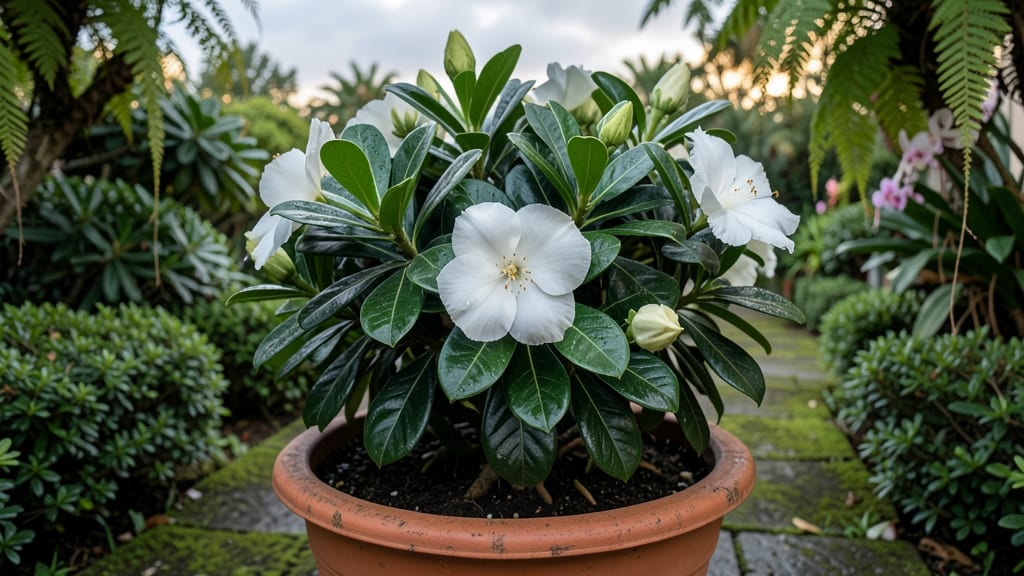
A full-grown gardenia bush 🌸 can reach heights of 4 to 6 feet, filling your garden with intoxicating fragrance—but only if you understand its unique needs.
Picture this: you’ve spent years nurturing your gardenia, only to watch it struggle with sparse blooms or yellowing leaves. The secret to a thriving, fragrant bush lies in the right balance of pruning, sunlight, and soil care.
In this guide, I’ll walk you through the key steps to maintain a lush, full-grown gardenia, from pruning techniques that encourage more blooms to seasonal adjustments that keep it healthy year-round.
Whether you’re dealing with overgrown branches or wondering how to revive a struggling plant, you’ll find practical tips to ensure your gardenia stays vibrant and fragrant for seasons to come.
How to prune a full-grown gardenia bush for maximum blooms
A full-grown gardenia bush can reach heights of 4-6 feet with proper care, but its fragrant blooms depend heavily on correct pruning techniques. Pruning isn't just about shaping—it's about encouraging new growth and bloom production.
When done right, your gardenia will reward you with year-round fragrance and a lush, full appearance.
Timing is everything with gardenias. Prune after flowering (typically in late summer or early fall) to avoid cutting off next year's buds. Never prune in spring when buds form, as this can reduce blooms.
Use sterilized pruning shears to prevent disease, and always cut at a 45-degree angle just above a leaf node for best results.
Step-by-Step Pruning Guide for Full-Grown Gardenias
- 1 Choose the Right Time: Prune immediately after your gardenia finishes blooming (usually August-September). This allows new growth to harden off before winter.
- 2 Gather Your Tools: Use sharp, sterilized pruning shears and disinfectant (70% alcohol) to clean blades. Avoid dull tools that tear branches.
- 3 Remove Dead or Diseased Wood: Start by cutting out any dead, damaged, or diseased branches. These can harbor pests and diseases that spread to healthy growth.
- 4 Thin Out Overcrowded Branches: Look for crossing branches or those growing inward. Remove 1/3 of the oldest growth to encourage new, vigorous shoots.
- 5 Shape for Airflow: Prune to create an open, rounded shape (like a natural vase). This improves air circulation and reduces humidity-related diseases.
- 6 Cut at the Right Angle: Make cuts just above a leaf node at a 45-degree angle. Avoid leaving stubs, which can rot and attract pests.
- 7 Clean Up Debris: Remove all pruned branches and fallen leaves from the area. Compost healthy clippings or dispose of diseased ones in the trash.
- 8 Apply Mulch: Spread 2-3 inches of organic mulch (like pine bark) around the base. This retains moisture and keeps roots cool during summer.
One of the most common mistakes gardeners make is pruning too aggressively. Never remove more than 1/3 of the plant in a single session, or you risk shocking the gardenia and reducing next year's blooms. Over-pruning can also expose the plant to sunburn or frost damage, especially in USDA Zone 6a or colder.
If your gardenia isn't blooming as expected, check your pruning habits. Blooms form on old wood, so avoid heavy pruning in spring. Instead, focus on light shaping and removing only dead or weak growth.
For a full-grown gardenia bush, aim to prune annually after flowering to maintain its shape and encourage continuous blooming.
After pruning, monitor your gardenia for signs of stress, like yellowing leaves or dropping buds. These could indicate over-pruning or environmental factors like poor drainage or inconsistent watering. Adjust your care routine accordingly to keep your gardenia thriving.
For an extra boost, apply a balanced fertilizer (like 10-10-10) after pruning but before new growth starts. This
Essential care tips for a thriving full-grown gardenia bush
A full-grown gardenia bush (4-6 feet tall) thrives when you mimic its natural tropical habitat. The key lies in acidic soil, consistent moisture, and the right balance of sunlight—all while avoiding common gardening pitfalls that stifle blooms.
I’ve learned through years of trial and error that gardenias reward patience with glossy foliage and intoxicating fragrance, but only when their basic needs are met.
One mistake I see often is overwatering or using alkaline soil, which causes yellow leaves and stunted growth. Gardenias demand well-draining, acidic soil (pH 5.0-6.5)—think of it as the foundation for everything else.
Without this, even perfect sunlight and watering won’t save your plant. Let’s break down the essentials to keep your gardenia lush and blooming year-round.
| Care Factor | Requirement | Specification |
|---|---|---|
| Soil | Type | Acidic, well-draining (peat moss + perlite) |
| Soil | pH Level | 5.0–6.5 (test annually) |
| Sunlight | Daily Hours | 4–6 hours (morning sun only) |
| Watering | Frequency | Every 3–5 days (1–2 gallons per watering) |
| Fertilizer | Type | Acidic (10-10-10 or 8-3-9 NPK) |
| Fertilizer | Schedule | Every 4–6 weeks (spring–summer) |
| Pruning | Best Time | After flowering (late summer) |
Your gardenia’s watering schedule is critical—too little causes wilting, while too much leads to root rot. Aim for deep watering every 3–5 days, ensuring the top 2 inches of soil stay moist but not soggy.
In summer heat, I water mine daily at dawn to prevent evaporation and fungal issues. Always water at the base of the plant, avoiding wet leaves to reduce disease risk.
When it comes to fertilization, gardenias thrive on a balanced, acidic fertilizer like 10-10-10 or 8-3-9 NPK. Feed your plant every 4–6 weeks during spring and summer, but skip fertilizing in fall and winter when growth slows.
Pro tip: Mix in cottonseed meal (a natural acidifier) to maintain soil pH—this is a game-changer for keeping leaves vibrant and glossy.
Don’t overlook the power of mulching! A 2–3 inch layer of organic mulch (like pine bark) retains moisture, regulates soil temperature, and slowly releases nutrients. I mulch my gardenias in early spring and replenish it annually.
This simple step reduces watering needs by up to 30% while protecting roots from temperature swings.
Finally, monitor your gardenia’s foliage health as a barometer for its well-being. Dark green, glossy leaves signal thriving conditions, while yellowing or dropping leaves often mean overwatering, poor drainage, or nutrient deficiency. Adjust your care routine accordingly—your gardenia will reward you with abundant, fragrant blooms all season long.