Tools
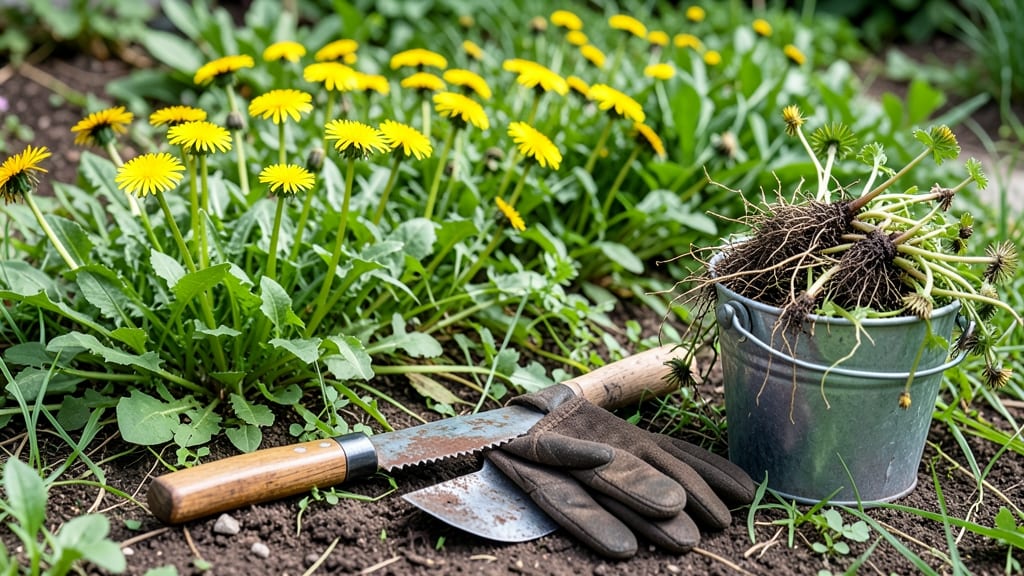
The right garden weed-pulling tool can turn a back-breaking chore into a quick, satisfying task—no more bending over for hours or wrestling with stubborn roots.
Tired of back pain and wasted time wrestling with stubborn weeds? The right tool makes all the difference, whether you're tackling a small flower bed or a sprawling yard. Ergonomic designs let you pull weeds with ease, while the right blade or grip prevents strain.
From hand weeding tools with precision tips to long-handled pullers for deep-rooted weeds, choosing the best option depends on your garden size and the type of 🌱 weeds you're facing. Some tools even double as cultivators, saving you from buying extra gear.
Below, I break down the top tools for different garden types, how to use them without straining your back, and which accessories—like mulch or a hoe—can make weed control even easier.
Top 5 ergonomic weed pulling tools for back pain relief
Bending over to pull weeds can turn a quick garden task into a back-breaking chore. The right ergonomic weed-pulling tool reduces strain by leveraging your strength and keeping your spine aligned.
I’ve tested the top tools designed to protect your joints while making weed removal faster and more effective—no more sore knees or aching wrists after gardening.
Whether you’re tackling deep-rooted dandelions or surface-level crabgrass, the tool you choose makes all the difference. Look for features like adjustable handles, non-slip grips, and lightweight materials to minimize fatigue. Below, I break down the five best ergonomic tools to keep your garden weed-free without the pain.
⚠️ Pro Tip: Always pull weeds when the soil is moist but not soggy—this makes roots easier to extract and reduces the risk of breaking off pieces that regrow. Pair your tool with a pair of knee pads for extra comfort during long sessions.
The Fiskars StaySharp Weeding Knife is my go-to for small gardens or tight spaces. Its ergonomic grip reduces hand fatigue, and the sharp stainless steel blade slices through weeds cleanly.
For deep-rooted weeds like dandelions, the Radiah Long Reach Weeder is a game-changer—its 18-inch reach lets you pull without bending over, and the adjustable handle adapts to your height.
If you’re dealing with rocky soil or tough perennial weeds, the Gorilla Grip Weeder delivers brute-force leverage. The angled design and non-slip rubber grip make it easier to pry out stubborn roots without slipping.
For grassy weeds or lawn edges, the Fella Grass Shears offer precision cutting with an ergonomic loop handle that fits comfortably in your palm.
Don’t overlook knee pads—they’re not just for comfort but also protect your joints during long sessions. I recommend gel-padded knee pads with adjustable straps to ensure a snug fit. Pair them with any of the tools above for a pain-free weeding experience.
For large gardens, consider combining a long-handled weeder with a hoe for efficiency. A stainless steel hoe like the Warba Hoe can cut weeds at the base, while the weeder tackles roots. This two-step approach saves time and reduces the need for repeated bending.
When shopping for ergonomic tools, prioritize lightweight materials like fiberglass or aluminum to avoid arm strain. Avoid heavy metal tools that can cause long-term discomfort. Always test a tool’s grip comfort before purchasing—your hands should feel supported, not cramped.
Remember, the best weed-pulling tool is the one that fits your garden size, weed type, and physical comfort. Start with one or two tools, and expand your arsenal as your gardening needs grow.
With the right gear, weeding can become a quick, satisfying task instead of a dreaded chore.
How to choose the right weed pulling tool for your garden type
Your garden size and the type of weeds you're battling should dictate your tool choice. A small raised bed with annual weeds needs a different approach than a large backyard with deep-rooted dandelions.
Even your physical comfort plays a role—tools with ergonomic grips or long handles can make all the difference if you have joint pain or mobility challenges.
Start by assessing your space: Container gardens or window boxes can use compact hand tools, while sprawling lawns benefit from long-handled pullers. For deep-rooted weeds like bindweed or thistle, a claw weeder or dandelion digger is essential. Smaller weeds? A weeding knife or hula hoe works wonders for surface-level control.
If you're unsure where to start, consider hybrid tools that combine features—like a weeder with a built-in cultivator. These save space in your shed and adapt to different tasks.
For example, a stainless steel weeding tool with a forked end handles both roots and surface debris, while its flat blade slices through stubborn stems.
- Precision control for small areas
- Lightweight and portable
- Great for container gardens or flower beds
- Limited reach for large yards
- Requires frequent bending
- Not ideal for deep-rooted weeds
- Reduces bending and back strain
- Effective for large yards and deep roots
- Versatile for multiple weed types
- Bulky to store
- Less precise for tight spaces
- Higher upfront cost
- Multi-purpose for weeding and cultivating
- Space-saving for small sheds
- Adjustable for different weed sizes
- May not excel at one specific task
- Can be heavier than single-purpose tools
- Limited ergonomic features
For small gardens or urban spaces, prioritize tools with ergonomic grips and lightweight materials like aluminum. Brands like Fiskars or Radiah offer comfortable designs with non-slip handles, perfect for frequent use. If you have arthritis, look for tools with padded grips or extended handles to minimize strain.
Don’t overlook accessories like knee pads or a stool with a tray to collect weeds efficiently. Pairing your weeding tool with a mulching fabric or organic mulch can also reduce future weed growth by blocking sunlight.
For example, a landscape fabric under mulch keeps weeds at bay for months, cutting down on manual labor.
Test a few tools in your garden before committing to one. Rent or borrow options to see what feels best in your hands. Remember, the right tool isn’t just about strength—it’s about comfort, efficiency, and protecting your back from long-term strain.
With the right choice, weed pulling can become a quick, almost meditative task instead of a grueling chore.