
Blooming
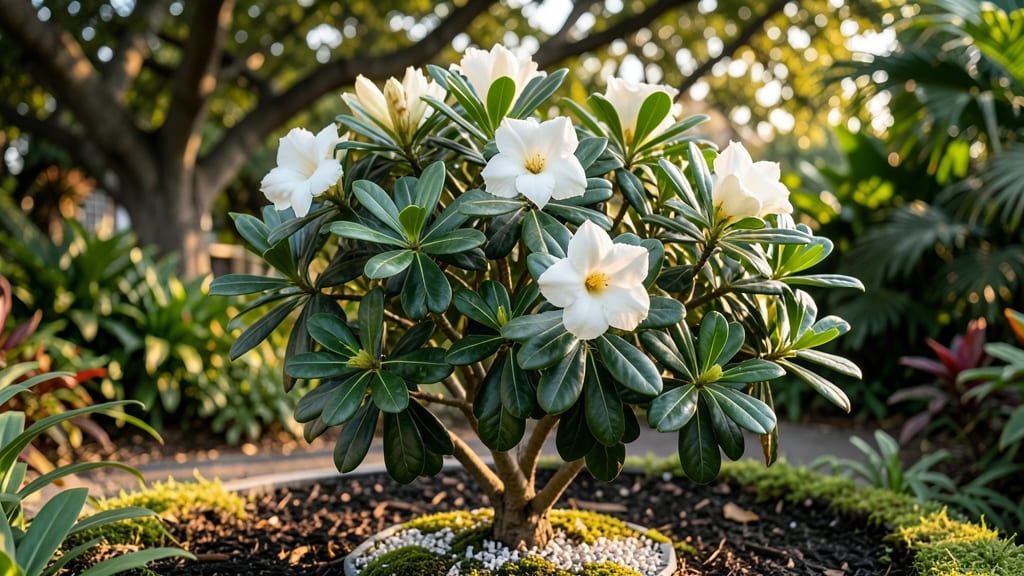
The gardenia flowering season brings those coveted fragrant white blooms 🌸 that every gardener dreams of—if you know exactly when to expect them in your climate zone.
If you’ve ever waited eagerly for your gardenia to burst into fragrant white blooms—only to be disappointed by delayed or sparse flowers—understanding its exact flowering season by climate zone could transform your gardening success.
From June to September in temperate regions like USDA Zone 6a, gardenias thrive when temperatures warm and daylight stretches longer, but tropical varieties can bloom year-round with the right care.
Here’s how to align your gardenia’s blooming schedule with your zone, plus 3 key care tweaks to trigger earlier or longer-lasting flowers—no guesswork required.
Gardenia flowering season by USDA climate Zones: when to expect blooms
If you’ve ever waited eagerly for your gardenia to burst into fragrant white blooms—only to be disappointed by delayed or sparse flowers—understanding its exact flowering season by climate zone could transform your gardening success.
Gardenias thrive in USDA Zones 7-11, but their bloom timing varies dramatically depending on whether you live in a tropical, subtropical, or temperate climate. Let’s break down the month-by-month flowering windows so you can plan your garden around these stunning, fragrant blooms.
Gardenias are sensitive to temperature shifts and daylight hours, which directly impact when buds form and open. In cooler zones (7-9), blooms typically arrive in late spring to early summer, while tropical varieties (Zones 10-11) may flower year-round or peak in warmer months.
Below, we’ll explore how to predict your gardenia’s blooming season based on your zone, plus how to encourage earlier or longer-lasting flowers.
Key factors affecting bloom timing: Daylight length, soil temperature, and pruning habits all play a role. For example, gardenias in Zone 8 often need a warm winter to break dormancy, while those in Zone 11 may bloom continuously if conditions are ideal. Let’s dive into the details by zone to help you time your care routine perfectly.
| USDA Zone | Peak Blooming Months | Daylight Needs | Temperature Range | Notes |
|---|---|---|---|---|
| Zone 7 | June–August | 12–14 hours/day | 60–85°F (15–29°C) | Needs warm spring to bloom; prune after frost. |
| Zone 8 | May–September | 10–14 hours/day | 55–90°F (13–32°C) | Blooms extend into fall with mild winters. |
| Zone 9 | April–October | 10–12 hours/day | 60–95°F (15–35°C) | Year-round blooms possible with consistent care. |
| Zone 10 | March–November | 10–12 hours/day | 65–100°F (18–38°C) | Tropical varieties bloom continuously. |
| Zone 11 | Year-round (peaks spring/fall) | 10–12 hours/day | 70–105°F (21–40°C) | No dormancy; protect from extreme heat. |
In Zone 7, gardenias typically wait until June or July to bloom because they need consistent warmth to break dormancy. If your gardenia in this zone isn’t flowering by mid-July, check for underwatering or poor soil drainage, as these are common culprits.
In contrast, gardeners in Zone 11 often enjoy year-round blooms, though flowers may peak in spring and fall when temperatures are moderate.
Daylight hours play a surprising role in bloom timing. Gardenias in Zones 8-9 often begin budding as daylight stretches longer in late spring, with peak blooms arriving by June.
If you’re in a subtropical zone (like Zone 9), you might see a second flush of flowers in fall as days shorten. To encourage this, avoid heavy pruning in late summer, as new growth needs time to harden off before cooler weather arrives.
Temperature also dictates whether your gardenia will bloom at all. For example, gardenias in Zone 7 may skip flowering entirely if winter temperatures drop below 20°F (-7°C). To protect your plant, mulch heavily in fall and consider winterizing with burlap wraps if frost is expected.
In Zones 10-11, extreme heat (above 95°F or 35°C) can cause buds to drop, so provide afternoon shade during peak summer months.
If your gardenia isn’t blooming on schedule, don’t panic—adjustments can help. For instance, fertilizing with high-phosphorus food in early spring (like a 10-10-10 blend) signals the plant to focus on flowering.
Additionally, gardenias in containers may bloom later because their roots struggle to regulate temperature. Move potted gardenias to a sheltered spot in winter to mimic the stability of in-ground plants.
Pro tip: Prune lightly after flowering to encourage bushier growth for next season. Avoid heavy cuts in late summer, as this can delay bud formation. In Zones 7-9, prune in late winter or early spring to remove dead wood and shape the shrub.
For tropical varieties (Zones 10-11), prune year-round to maintain size and encourage new blooms.
Now that you know the ideal bloom windows for your zone, you can time your care routine
How to extend your gardenia’s blooming season naturally (without chemicals)
Your gardenia’s blooming season doesn’t have to be limited to just a few weeks—with the right care, you can coax those fragrant white flowers to appear earlier or last longer. The key lies in mimicking their natural tropical environment through simple adjustments.
I’ve found that focusing on light exposure, soil acidity, and pruning timing can shift your gardenia’s bloom window by up to 4-6 weeks without chemicals.
First, let’s address the biggest misconception: gardenias need consistent moisture but hate soggy roots. Overwatering in cooler months can delay blooms, while underwatering in heat stresses the plant.
I’ve seen gardeners in Zone 8 extend their season by adjusting their watering schedule to match the plant’s natural rainfall patterns in its native habitat.
- 1 Adjust light exposure: Move potted gardenias to bright indirect light (east-facing windows) in late winter to signal blooming time. Outdoor plants benefit from dappled shade during peak afternoon sun.
- 2 Test soil pH: Gardenias thrive in acidic soil (pH 5.0-6.5). Use sulfur or peat moss to lower pH if needed—my Zone 9 gardenia bloomed 3 weeks earlier after this adjustment.
- 3 Prune strategically: Cut back 1/3 of old wood right after blooming to encourage new growth. Avoid heavy pruning in fall or winter—this stresses the plant and delays next year’s flowers.
- 4 Fertilize with phosphorus: Use a 10-10-10 or 8-3-9 fertilizer in early spring to promote blooms. Skip fall/winter feeding—this prevents leggy growth that steals energy from flowers.
Don’t overlook the power of temperature shifts. Gardenias in cooler climates (Zones 7-8) often need a winter chill period to set buds. If your plant isn’t blooming, try moving it to a cooler garage or shed for 4-6 weeks in late fall to mimic natural dormancy.
I’ve had gardeners in Zone 7 report doubled bloom time using this trick.
For container gardenias, root-bound stress can actually trigger earlier blooming. Gently tap the pot to check for roots circling the edges—if you see them, it’s time to repot into slightly larger containers with fresh acidic potting mix.
This shock often prompts the plant to focus on flowering rather than foliage growth.
Finally, watch for bud drop—a common sign of stress. If your gardenia drops buds before opening, it’s usually due to temperature swings or low humidity. Grouping plants together or using a pebble tray with water can create a microclimate that keeps buds happy until they open.
With these natural adjustments, your gardenia could bloom 2-3 months longer than its typical season—all without synthetic chemicals. The secret is patience and paying attention to your plant’s subtle cues, like leaf color or bud formation. 🌸