Container Gardens
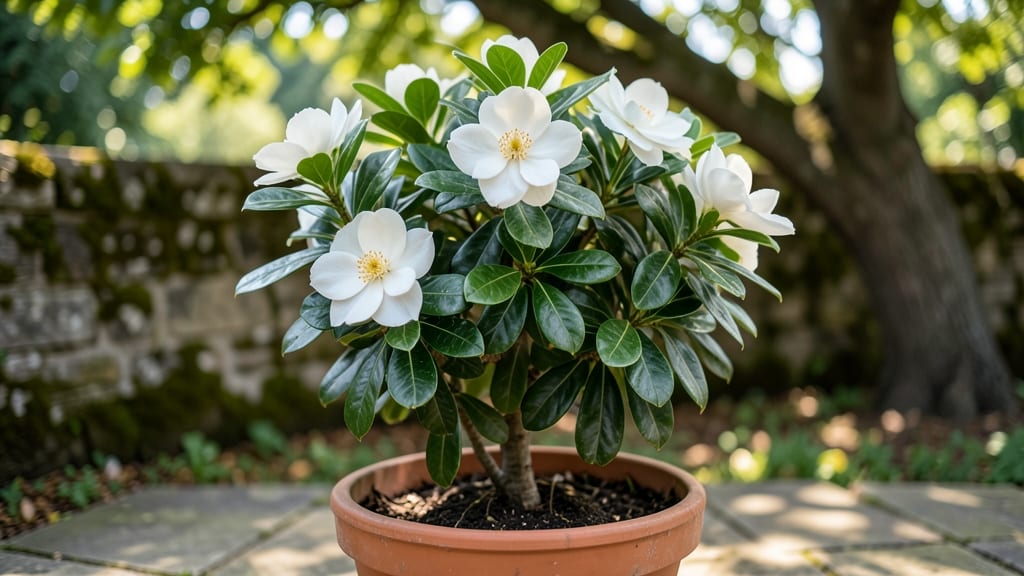
Growing gardenias in the right USDA zones unlocks their full fragrant potential, and zones 8 through 11 are where they truly thrive.
If you dream of filling your garden with intoxicating gardenia blooms but live in a cooler climate, knowing the exact USDA growing zones for these tropical favorites could make or break your success.
These shrubs 🌸 crave warmth but struggle when temperatures dip below 30°F, which is why gardeners in zones 7 and below need special strategies—like container growing or cold-hardy varieties—to keep them happy.
Below, I’ll break down the ideal zones, microclimate tricks, and how to push your gardenia’s limits—even if you’re outside the sweet spot.
USDA growing zones for gardenias: where they thrive (and where they struggle)
If you're smitten with gardenias' intoxicating fragrance and glossy foliage, you're not alone—but these tropical divas demand the right climate to shine. Native to warm, humid regions, gardenias thrive in USDA zones 8 through 11, where temperatures rarely dip below 20°F (-6.7°C).
Outside these zones, their delicate blooms and lush leaves struggle, often succumbing to frost or cold snaps. Understanding these boundaries is your first step to cultivating gardenias successfully, whether you're in Florida's heat or California's coastal breezes.
In their ideal zones, gardenias reward gardeners with year-round blooms and minimal stress, but even a single 25°F (-4°C) night can damage leaves and buds. For those in zones 7-8, pushing the limits requires extra care—think protective coverings, microclimate tricks, and cold-hardy varieties.
Let’s break down the specifics so you can decide whether your garden is gardenia-friendly or if you’ll need to get creative with containers and winter prep.
🌱 Key Takeaway: Gardenias are frost-sensitive but adaptable with the right strategies. Zones 9-11 are their sweet spot, while zones 7-8 demand winter protection and careful site selection.
In zones 10-11, gardenias are in their element, basking in warm winters and high humidity. These conditions mimic their native tropical habitats, allowing them to bloom continuously or seasonally depending on the variety.
For example, 'Radicans' and 'Fortuniana' are top performers here, with minimal care needed beyond regular watering and acidic soil. The key is to replicate their natural environment: morning sun and afternoon shade to prevent leaf scorch, and well-draining, slightly acidic soil (pH 5.0-6.5) to keep roots happy.
Zones 8-9 are the goldilocks zones for gardenias—close enough to their comfort zone but with occasional cold snaps to test their limits. Here, gardeners must pay extra attention to winter protection.
A thick layer of mulch (3-4 inches) around the base insulates roots, while frost cloth can shield leaves from light freezes. In Zone 8b, where winters hover around 15°F (-9°C), gardenias may need container growing to move them indoors during frost alerts.
Varieties like 'Kleim's Hardy' are slightly more resilient but still require microclimate protection, such as planting near a south-facing wall to absorb daytime heat.
For those in Zone 7, growing gardenias is a challenge but not impossible. The absolute minimum temperature for most gardenias is 20°F (-6.7°C), so Zone 7’s winters (0-10°F) will damage or kill unprotected plants.
Your best bets are container gardening or selecting cold-hardy varieties like 'Radicans', which can tolerate brief dips to 15°F (-9°C). Overwintering indoors in a bright, humid spot (like a greenhouse or sunroom) is critical.
Alternatively, dig up potted gardenias before the first frost and store them in a cool, dark place until spring, then resume outdoor placement in late May or June.
Even in optimal zones, gardenias can struggle if humidity drops below 50% or soil pH rises above 6.5. To combat dry air, mist leaves regularly or use a pebble tray with water beneath pots. For soil acidity, amend with peat moss or sulfur and test pH annually
How to grow gardenias in non-ideal zones: cold-hardy varieties & protection hacks
Gardenias are tropical divas that thrive in USDA zones 8-11, but don’t let cooler climates scare you off. With the right cold-hardy varieties and protection strategies, you can grow these fragrant shrubs in zones as low as 6-7.
The key is choosing varieties like 'Radicans' or 'Fortuniana', which tolerate temperatures down to 20°F with proper care.
Container growing is your best friend in chilly zones. Potted gardenias give you mobility—you can move them indoors or under cover when frost threatens. Pair this with microclimate tricks, like planting near south-facing walls or using mulch blankets, to extend your growing season and protect delicate roots.
Growing Gardenias in Cold Zones: Pros & Cons
✅ Pros
- Cold-hardy varieties survive 20°F with protection
- Container gardening allows indoor winter escape
- Microclimates (e.g., walls, mulch) extend growing season
- Fragrant blooms reward your extra effort year-round
❌ Cons
- Requires winter care routines (covering, indoor moves)
- Smaller blooms in cooler zones vs. tropical climates
- Need acidic soil (pH 5.0-6.5) and consistent moisture
- Potted gardenias dry out faster in summer heat
Start by selecting dwarf varieties like 'Kleim's Hardy', which stays compact (3-4 ft tall) and handles cooler temps better than standard types. Plant in well-draining pots with a mix of peat moss and perlite to prevent root rot—a common issue in containers.
Use terracotta pots to wick away excess moisture and keep roots cool.
For outdoor gardenias in zones 7-8, create a microclimate haven. Plant near a south-facing wall or under a dwarf fruit tree to trap heat. Apply a 4-inch layer of mulch (pine bark or straw) in fall to insulate roots.
When temps drop below 35°F, drape a frost blanket over the plant or move pots to a garage with unheated protection.
Winter care is non-negotiable. Prune gardenias in late winter (before new growth starts) to remove dead wood and shape the shrub. Reduce watering to once a month in winter, but keep soil slightly moist.
If you’re in zone 6, consider growing gardenias as annuals or overwintering cuttings indoors under grow lights for next year’s plants.
With these hacks, your gardenia can survive—and even thrive—in cooler zones. The secret? Adaptability and a little extra TLC. Soon, you’ll be enjoying those intoxicating blooms no matter where you live. 🌸