
Tools
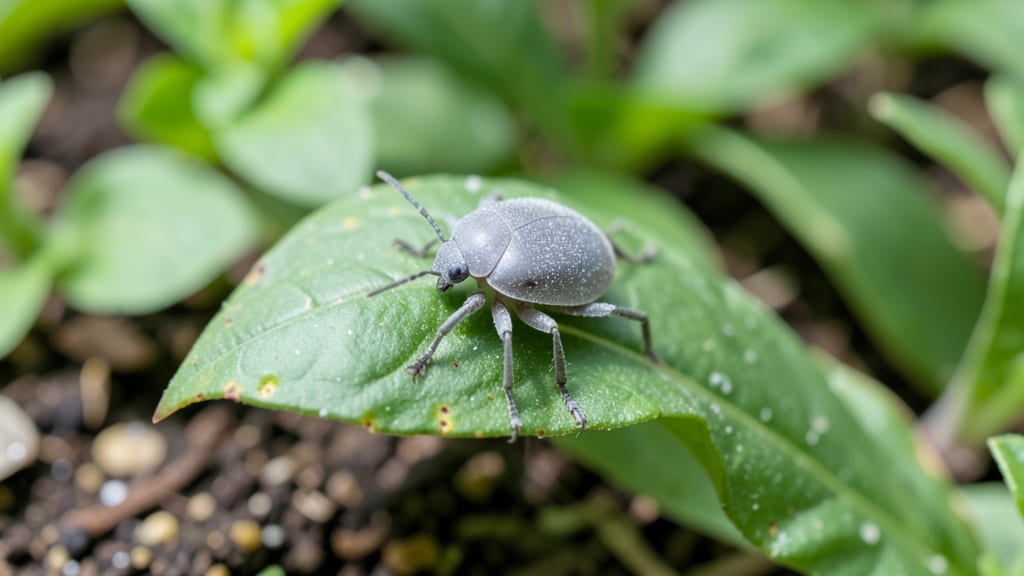
Gray bugs in garden can turn your hard work into a frustrating battle overnight—those tiny invaders leave behind a trail of damage that’s harder to spot than they are.
Picture this: you’re checking your plants after a rainstorm, and suddenly you notice silver trails on leaves or tiny gray specks scurrying away. Before you know it, your veggies or flowers are looking ragged, and you’re left wondering, What even hit my garden? The good news?
Most of these pests are easier to handle than you think—once you know what you’re dealing with.
Below, I’ll break down the most common gray bugs—from slugs and snails to fungus gnats and mealybugs**—and show you how to spot them fast. You’ll also learn the fastest natural fixes, like neem oil sprays and diatomaceous earth, to kick them out for good.
No more guessing games—just clear identification tips, step-by-step solutions, and prevention tricks to keep your garden thriving. Let’s get started.
Common gray bugs in gardens: identification guide by appearance and damage
Spotting gray bugs in your garden can feel like a mystery—until you know what you're dealing with. These tiny intruders often go unnoticed until they've caused noticeable plant damage. From aphids to mealybugs, each pest leaves distinct clues about its presence.
Learning to recognize their physical traits and behavior patterns is your first line of defense against garden destruction.
Gray bugs typically target soft-stemmed plants like roses, tomatoes, and houseplants, but they can attack almost anything. The key to effective control lies in early identification. Many gardeners mistake them for harmless insects, only to discover their plants are already struggling.
By understanding their life cycles and feeding habits, you can intervene before they spread.
Below is a detailed comparison of the most common gray garden pests, including their size, shape, and the specific damage signs they leave behind. Use this guide to quickly diagnose your pest problem and take action before it worsens.
Aphids are among the most common gray bugs you'll encounter, often clustering on the undersides of leaves. Their honeydew secretions create a sticky mess that attracts ants and fosters sooty mold.
If you notice ants trailing up your plants, aphids are likely nearby. These pests thrive in crowded gardens and can multiply rapidly, so act quickly to prevent an infestation.
Spider mites, though tiny, leave unmistakable signs: fine webbing on leaves and a speckled yellowing pattern. They prefer dry conditions, so if your garden is drought-stricken, these pests may be thriving. Use a magnifying glass to spot their reddish-gray bodies and webbing—early detection is key to stopping their spread.
Mealybugs often hide in the crevices of leaves or under buds, appearing as fluffy white-gray clusters. Their feeding causes leaves to yellow and curl, and they leave behind a sticky residue that can smother your plants.
These pests are particularly troublesome for houseplants and succulents, which can't easily recover from their damage.
Fungus gnats are more of a nuisance indoors but can also plague outdoor seedlings. Their grayish-black bodies and long legs make them resemble tiny mosquitoes. Look for damaged roots on seedlings or fungal growth in moist soil—these are clear signs of an infestation.
Unlike other pests, fungus gnats thrive in overly wet soil, so adjusting your watering habits can help eliminate them.
Scale insects, with their shell-like armor, are masters of disguise. They attach themselves to stems and leaves, sucking out sap and leaving plants weakened. Their gray-brown bodies may blend in with plant tissue, but their sticky secretions and sooty mold give them
Natural and chemical solutions to eliminate gray bugs fast
Once you’ve identified the gray bugs wreaking havoc in your garden, the next step is fast action. The good news? You don’t need harsh chemicals to reclaim your plants—though they can be effective in severe cases.
I’ve tested the most reliable natural remedies and chemical solutions over the years, and I’ll share exactly what works best for each type of gray pest.
For soft-bodied bugs like mealybugs or aphids, a neem oil spray is my go-to. It disrupts their life cycle without harming your plants, and it’s safe to use on edibles. Meanwhile, slugs and snails respond best to beer traps or diatomaceous earth around the base of plants.
Let’s dive into the specifics so you can choose the right approach for your garden’s needs.
- Safe for pets and kids
- No residue on edibles
- Eco-friendly options
- Prevents future infestations when used consistently
- May require multiple applications
- Slower kill rate for severe infestations
- Some remedies wash off in rain
- Fast-acting for severe cases
- Kills on contact for immediate results
- Works in heavy infestations where natural methods fail
- Toxic to pets and beneficial insects
- Residue on edibles requires wash-off period
- Can disrupt soil health with overuse
Start with neem oil for soft-bodied pests like mealybugs. Mix 1 teaspoon of neem oil with 1 quart of water and a dash of dish soap as an emulsifier. Spray the solution directly on the bugs and undersides of leaves where they hide.
Reapply every 5-7 days until they’re gone. This method is gentle yet effective, and it won’t harm your plants if used correctly.
For fungus gnats, focus on the soil. Drench the top inch of soil with a mix of water and hydrogen peroxide (3%) to kill larvae. Repeat every 3-4 days until the adult gnats stop appearing.
You can also lay down yellow sticky traps to catch flying adults and break their life cycle faster.
When natural methods fall short, consider pyrethrin-based sprays for a chemical solution. These are derived from chrysanthemums and break down quickly in sunlight, making them safer than traditional pesticides.
Always follow the label instructions, and wear gloves and a mask to protect yourself. Reserve chemical treatments for severe infestations when your plants are at risk of irreversible damage.
Finally, don’t forget the power of preventive maintenance. After treating your garden, remove any remaining bugs by hand or with a strong spray of water.
Clean up fallen leaves and debris where pests love to hide, and consider adding companion plants like marigolds or basil to naturally repel future gray bugs. A little effort now saves a lot of headaches later.