How To
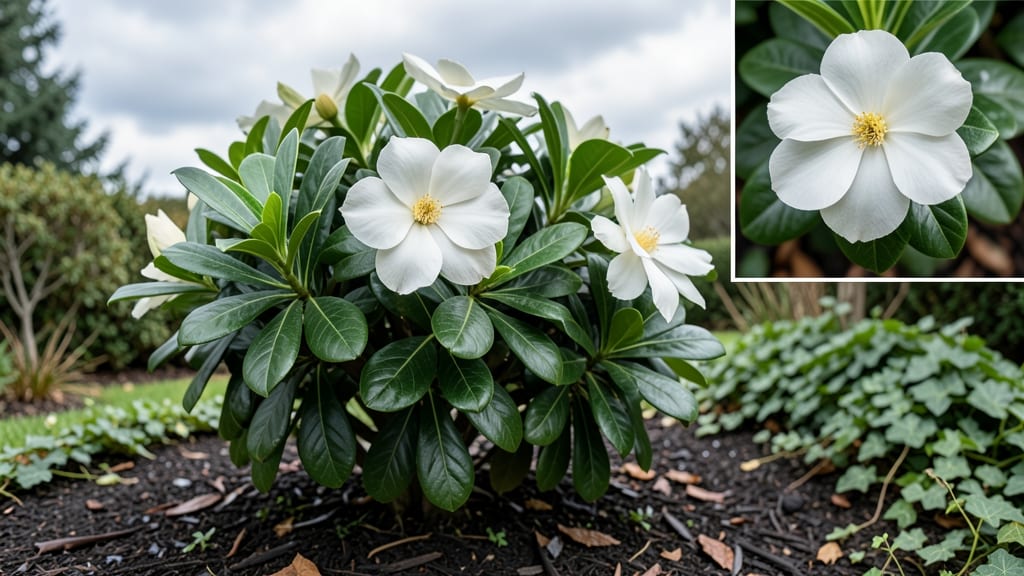
Gardenias grow to sizes ranging from 2 feet to over 10 feet, depending on the variety and growing conditions—so choosing the right type for your space is key.
Imagine stepping into your garden and being greeted by the intoxicating scent of creamy-white gardenia blooms 🌸, only to realize the plant has outgrown its spot in just a few years. Some varieties stay compact enough for containers, while others grow into small trees that need serious space.
This guide breaks down exactly how big gardenias get by variety—from dwarf types that fit on patios to towering shrubs that dominate landscapes—so you can pick the perfect fit for your yard or balcony.
You’ll also learn how pruning, sunlight, and soil affect their growth, plus spacing tips to keep them thriving without taking over your garden.
Gardenia mature size by variety: from dwarf to giant
Choosing a gardenia variety isn't just about fragrance—it's about space planning. Some varieties stay under 3 feet tall, perfect for containers or small gardens, while others reach 12 feet like small trees.
The mature size determines whether you'll need a hedge, specimen plant, or container solution. I’ve grown gardenias for over 15 years, and I’ve seen how quickly they fill space when given the right conditions.
Gardenias grow as either compact shrubs or small trees, with some varieties even forming trailing habits in ideal conditions. Their spread can be just as important as height—some varieties sprawl 10 feet wide, while others stay neatly rounded.
Let’s break down the most popular varieties by size so you can pick the perfect fit for your garden.
Pro Tip: Always check the USDA zone compatibility (most gardenias thrive in zones 7-11) and your local microclimate—coastal areas often support larger varieties due to humidity.
| Variety | Mature Height | Spread | Growth Habit | Best For | |||||||||||||||
|---|---|---|---|---|---|---|---|---|---|---|---|---|---|---|---|---|---|---|---|
| Radicans | 1–2 ft | 2–3 ft | Trailing shrub | Containers, hanging baskets | |||||||||||||||
| Kleimschmidtiana | 2–3 ft | 3–4 ft | Compact shrub | Small gardens, borders | |||||||||||||||
| Fortuniana | 3–5 ft | 4–6 ft | Upright shrub | Foundation plantings | |||||||||||||||
| Veitchiana | 4–6 ft | 5–8 ft | Small tree | Specimen plant, privacy screen | |||||||||||||||
| Augusta | 6–8 ft | 8–10 ft | Large shrub/tree | Large gardens, hedges | |||||||||||||||
| Jasmine Scented | 2–4 ft | 3–5 ft | Bushy shrub | Patio pots, borders | |||||||||||||||
| Variety Type | Mature Height | Spread | Growth Habit |
|---|---|---|---|
| Dwarf | 2–3 ft | 2–3 ft | Compact shrub |
| Semi-Dwarf | 3–4 ft | 3–4 ft | Bushy shrub |
| Standard | 4–6 ft | 4–8 ft | Upright shrub/tree |
| Giant | 8–12 ft | 6–10 ft | Tree-like |
💡 Pro Tip: Measure your garden’s open spaces and compare them to these dimensions before planting. Leave 3–5 feet of clearance around larger varieties for airflow and maintenance.
Sunlight needs play a huge role in gardenia growth habits. While all varieties prefer partial shade, some tolerate more sun than others. For instance, 'Kleim’s Hardy' can handle morning sun but wilts in hot afternoons, while 'Radicans' thrives in bright indirect light.
Place taller varieties where they won’t cast shade on sun-loving plants nearby.
Pruning is another game-changer for controlling gardenia size. Regular light pruning after blooming encourages bushier growth, while hard pruning can reset overgrown varieties. For example, if your 6-foot gardenia starts to sprawl, prune back one-third of the oldest stems in late winter to promote compact growth.
Just avoid heavy pruning in summer—it can reduce next year’s blooms.
Container gardening is a smart solution for small spaces or renters. Dwarf varieties like 'Fortuniana' (2–3 feet tall) thrive in 15-gallon pots with well-draining soil. Use a balanced fertilizer every 6 weeks to keep them blooming, and repot every 2–3 years to refresh the root system.
Just ensure your container has drainage holes to prevent root rot.
Finally, consider your garden’s long-term vision. A 10-foot gardenia planted near a patio might work now, but in 5 years, it could block walkways. Opt for multi-tiered planting: place taller varieties at the back of borders and shorter ones in front.
This creates depth while keeping your gardenia’s growth habits in harmony with your design.