Size
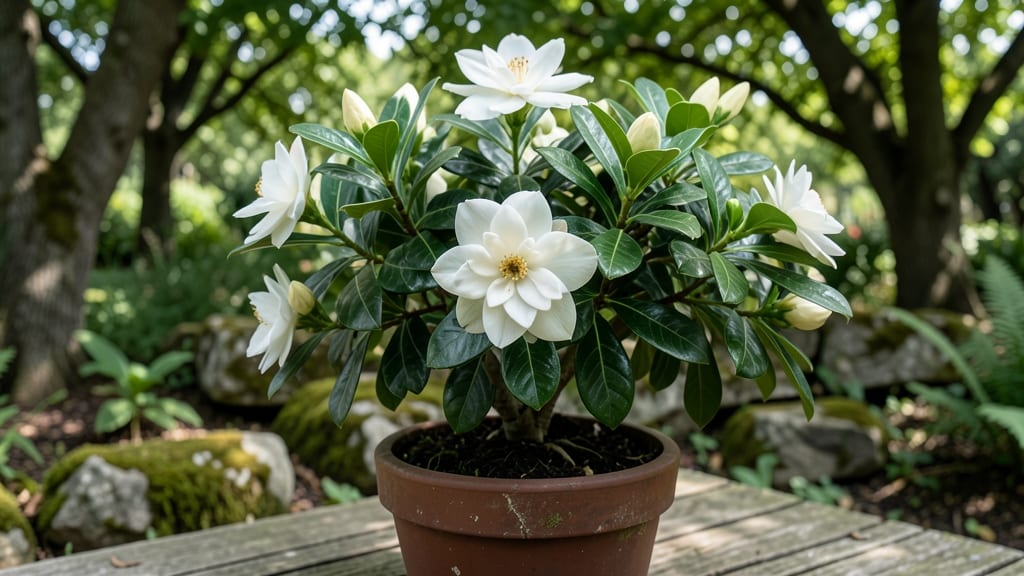
Gardenias grow to heights between 3 and 6 feet at maturity, with some varieties stretching taller while others stay compact—making them a versatile choice for gardens of all sizes.
If you’re dreaming of fragrant, creamy-white blooms in your garden but wondering whether gardenias will fit your space, their mature size matters more than you think.
Some types, like Gardenia jasminoides 🌸, can reach 6 feet with a spread of 4-5 feet, while dwarf varieties top out around 2-3 feet. That difference could mean the choice between a statement shrub and a neat border plant.
What you’ll learn here is how to match the right variety to your garden layout, from pruning tips to spacing tricks that keep your gardenias thriving without overcrowding. We’ll also cover the factors—like soil, sunlight, and climate—that can push a plant toward its taller or shorter potential.
Whether you’re planning a fragrant hedge or a single showstopper, understanding these growth habits will help you avoid common mistakes and get the most out of your gardenias all season long.

Gardenia mature size by variety: height and spread guide
Choosing the right gardenia variety starts with understanding their mature size. Some grow like small trees, while others stay compact enough for containers or borders.
The most popular species, Gardenia jasminoides, typically reaches 3–6 feet tall with a 3–5 feet spread, but dwarf varieties can stay under 3 feet. Let’s break down the key differences so you can plan your garden layout with confidence.
When planning your garden, always account for growth habits—some gardenias grow upright, while others spread wider. For example, Gardenia radicans (Cape Jasmine) can climb or trail up to 10 feet if given support.
Meanwhile, Gardenia augusta varieties like 'Kleim's Hardy' stay bushier and shorter, making them ideal for foundation plantings. Knowing these details helps you avoid overcrowding or underutilizing space.
Pro tip: Always check the USDA hardiness zone (typically 7–11) for your chosen variety, as colder climates may stunt growth. In warmer zones, gardenias can grow faster and larger, so pruning may be necessary to maintain your desired shape.
If you’re growing gardenias in containers, choose dwarf varieties like 'Kleim's Hardy' to avoid root-bound stress. Containers should be at least 18–24 inches wide to accommodate their root systems.
For in-ground planting, space upright varieties 4–6 feet apart to allow airflow and prevent fungal diseases like powdery mildew, which thrives in crowded, humid conditions.
For climbing varieties like Gardenia radicans, install a trellis or fence at planting to guide their growth. Without support, they can sprawl uncontrollably, taking over nearby plants.
Prune trailing stems in early spring to encourage bushier growth and more blooms. Always use sterilized shears to prevent spreading diseases between cuts.
One common misconception is that all gardenias need full sun. While they love bright, indirect light, varieties like 'Veitchii' can scorch in hot afternoon sun. In Zone 8 or hotter, provide afternoon shade to protect leaves and maintain vibrant blooms.
Mulch around the base with organic matter like pine bark to retain moisture and mimic their native acidic soil conditions.
To maximize blooms, feed your gardenias with an acid-loving fertilizer (like 10-10-10) every 4–6 weeks during the growing season. Over-fertilizing can lead to leafy growth at the expense of flowers, so follow the 1 tbsp/plant
How Gardenia growth habits affect your garden layout
Understanding your gardenia’s growth habit is the key to creating a layout that highlights its beauty without sacrificing space. Gardenias typically grow in three main forms: upright, bushy, or trailing, each requiring different spacing and pruning strategies to thrive.
For example, upright varieties like Gardenia jasminoides grow vertically and need room to stretch their branches, while bushy types like Radicans spread wider, making them ideal for hedges or borders.
If you’re working with limited space, dwarf varieties can be your best friend. These compact plants stay under 3 feet tall and are perfect for containers, small gardens, or even as accent plants near patios.
But even in tight spaces, proper placement and pruning can maximize blooms and keep your gardenia looking its best year after year.
- Upright Gardenias (e.g., Gardenia jasminoides): Grow 4-6 ft tall, 3-5 ft wide. Plant 5-6 ft apart for full growth. Ideal for back borders or solitary statements.
- Bushy Gardenias (e.g., Radicans): Stay 2-4 ft tall, 4-6 ft wide. Space 3-4 ft apart for hedges or borders. Prune to encourage dense foliage.
- Trailing Gardenias (e.g., Augusta): Spread 3-5 ft wide, 2-3 ft tall. Plant in containers or along fences for cascading effect. Train vines with soft ties.
- Dwarf Varieties (e.g., Fortuniana): Top out at 2-3 ft tall, 2-3 ft wide. Perfect for containers or small gardens. Prune lightly to maintain shape.
- Pruning Tip: Always prune after blooming to avoid cutting off next year’s flowers. Use sterilized shears for clean cuts.
When planning your garden layout, consider the mature size of your gardenia and its growth habit. For instance, upright varieties make stunning focal points in backyard corners or alongside driveways, while bushy types create lush, fragrant hedges that define garden edges.
Trailing varieties add elegance to vertical spaces, like trellises or arbors, where their cascading branches can be trained to climb.
In larger landscapes, gardenias thrive when given enough space to breathe. Avoid overcrowding, as this can lead to poor air circulation, increasing the risk of fungal diseases like powdery mildew.
If you’re planting multiple gardenias, space them according to their mature width—typically 3-6 feet apart—to ensure they have room to grow without competing for nutrients.
For smaller gardens or containers, choose dwarf varieties and prune regularly to control size. Pinch back new growth in early spring to encourage a fuller shape and more blooms. Remember, gardenias respond well to light pruning throughout the growing season, so don’t be afraid to shape them as needed.
With the right approach, even a tiny garden can be filled with the intoxicating scent of gardenia blooms.
Finally, think about the seasonal interest your gardenia will provide. Their glossy, dark green leaves add year-round color, while their fragrant flowers bloom in summer and early fall.
By placing them where you’ll enjoy their scent—like near seating areas or walkways—you’ll create a garden that’s not just beautiful, but also a sensory delight.