Light Requirements
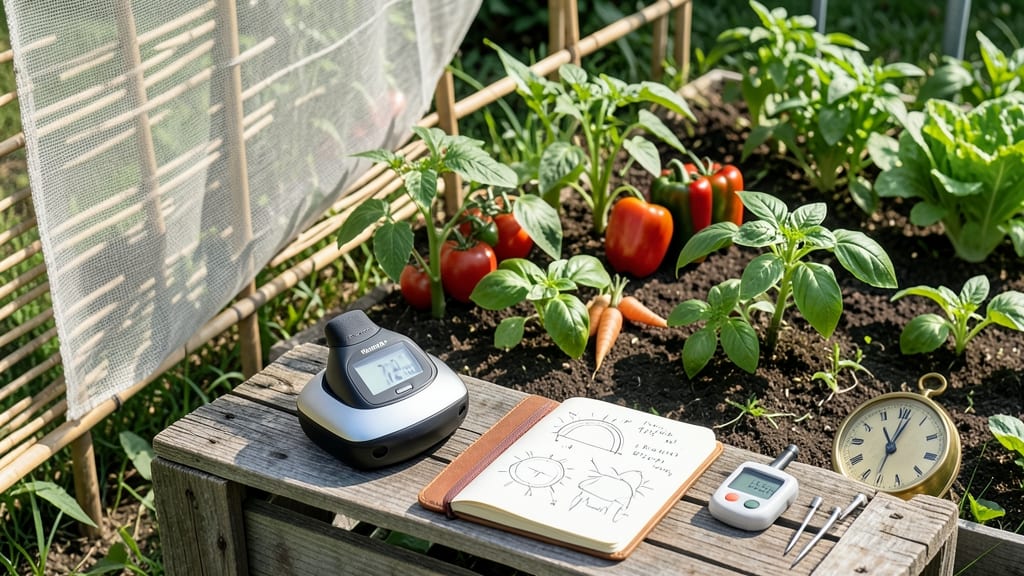
A vegetable garden needs 6 to 8 hours of sunlight daily for most crops to thrive—though some, like leafy greens, can handle less, while others, like tomatoes, demand more.
Wondering why your tomato plants aren’t producing or your lettuce bolts too quickly? Sunlight exposure is the hidden factor controlling your vegetable garden’s success—or failure. But how much is too much or too little?
The answer depends on the crop, and getting it wrong can mean wasted effort and lost harvests.
Too little light, and your plants stretch toward the sky, weak and leggy. Too much, and they scorch, especially in Zone 6a summers. The key is matching your garden’s sunlight to each vegetable’s needs—whether that’s full sun for tomatoes or just 4 to 6 hours for shade-tolerant greens.
In this guide, I’ll break down the exact sunlight ranges for your favorite crops, how to measure your garden’s light, and smart ways to adjust—so you can grow a bountiful harvest without guesswork.


Sunlight requirements by vegetable type: full sun vs partial shade breakdown
Sunlight is the lifeblood of your vegetable garden, but not all crops thrive under the same conditions. Tomatoes and peppers crave 6-8 hours of full sun, while leafy greens like spinach and kale can handle 3-6 hours of partial shade.
Understanding these differences prevents wasted effort and maximizes your harvest. Let’s break down the sunlight needs for your most common garden vegetables, including how seasonal changes and microclimates affect their growth.
Full sun typically means 6+ hours of direct sunlight daily, but some vegetables tolerate partial shade (3-6 hours) or even light shade (less than 3 hours). The key is matching your garden layout to each plant’s needs.
For example, placing bush beans in partial shade while giving cucumbers full sun ensures both thrive. Let’s explore the specifics to help you plan your garden layout for optimal growth.
Here’s a quick reference for common vegetables and their sunlight needs, including growth implications and seasonal adjustments:
Seasonal sun variations can drastically alter your garden’s success. For example, summer solstice provides the longest daylight hours, but intense midday sun can scorch leafy greens. I’ve found that using shade cloth (30-50% coverage) during peak afternoon heat helps protect heat-sensitive crops like basil and lettuce without sacrificing growth.
Conversely, winter sunlight is weaker, so positioning sun-loving crops near south-facing walls or fences can extend their growing season.
Microclimates within your garden also play a critical role. A shady corner under a tree might work for radishes or green onions, while the sunniest spot should reserve for <
How to measure and adjust sunlight exposure in your garden
Before you start planting, know exactly how much sunlight your garden gets daily. Most vegetable gardens thrive with 6 to 8 hours of direct sunlight, but some areas may receive only 4 hours or less—especially near fences, trees, or buildings.
I’ve learned the hard way that overestimating shade can lead to weak, spindly plants, while underestimating heat can scorch delicate greens. The key is measuring accurately and adjusting as needed.
Start by observing your garden for at least 3 days to account for cloudy weather. Use a sunlight mapping tool (or even a simple app like Sun Surveyor) to track how sunlight moves across your space.
Pay attention to morning vs. afternoon sun—some plants, like tomatoes, need strong afternoon rays, while others, like lettuce, prefer cooler morning light. This simple step will save you from planting the wrong crops in the wrong spots.
🌱 numbered-highlights
- 🌞 6-8 hours: Ideal for tomatoes, peppers, and cucumbers—these full-sun lovers need peak light for fruiting.
- 🌿 4-6 hours: Perfect for leafy greens (spinach, kale) and root crops (carrots, beets)—they tolerate partial shade.
- ☀️ Less than 4 hours: Only shade-tolerant crops like arugula or Swiss chard will thrive—consider container gardening near windows.
- ⏰ Morning sun: Best for cool-season crops (e.g., broccoli, cabbage) to prevent bolting.
- 🌡️ Afternoon shade: Critical in Zone 6a summers—use shade cloth (30-50%) for heat-sensitive plants.
If your garden falls short, extend the growing season with reflective surfaces like white mulch or mirrors to bounce light onto shaded areas. For example, I placed a white garden bed liner under my lettuce patch and saw a 20% increase in growth during overcast weeks.
You can also rotate crops seasonally—plant sun-loving tomatoes in spring/fall when shadows are shorter, and save shade spots for summer greens.
For areas with too much sun, shade cloth is a game-changer. A 30% shade cloth reduces light by 30% while still allowing airflow, while 50% cloth works for heat-sensitive plants like basil.
I use removable frames over my pepper plants in peak afternoon heat, and the difference in fruit set is dramatic. Just remember to secure the cloth tightly—a loose flap can create a wind tunnel and damage plants.
Finally, test your adjustments by planting a sunlight-sensitive crop (like basil) and a shade-tolerant one (like spinach) side by side. Monitor their growth for 2-3 weeks—if the basil thrives but the spinach wilts, you’ve got the right balance.
Over time, you’ll develop an intuitive sense of how your garden’s light shifts with the seasons, ensuring your vegetables get exactly what they need to flourish.