Watering
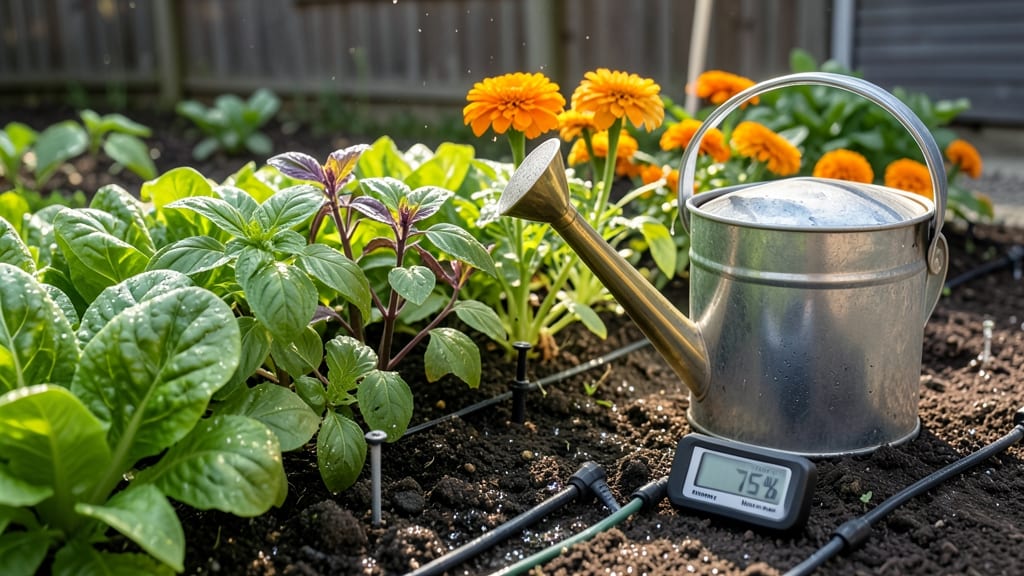
To water your garden properly, you need 1 to 2 inches of water per week—but the real trick is timing, soil type, and plant needs, not just measuring cups.
Overwatering or underwatering your garden can mean the difference between lush, thriving plants and withered, struggling crops—yet most gardeners guess rather than follow science-backed schedules.
Different soils drink water at wildly different rates: sandy soil drains fast and needs frequent, shallow watering, while clay holds moisture for weeks and risks root rot if overdone.
Below, I break down exactly how much to water by soil type, the best times of day to avoid waste, and how to adjust for vegetables, flowers, and herbs so your garden thrives all season.
Soil-specific watering guidelines for healthy garden growth
Your garden's soil type determines how often and how deeply you need to water—sandy soil drains too fast, while clay holds moisture for days. Loamy soil, the gold standard, balances retention and drainage perfectly.
Understanding these differences helps you avoid root rot from overwatering or wilting from underwatering. Let’s break down the science so you can water like a pro, not a guesser.
Most plants need 1-2 inches of water per week, but this varies wildly by soil. Sandy soil loses moisture in hours, while clay soil can stay soggy for days. Even loamy soil (the ideal mix) requires adjustments based on rainfall and plant type.
The key? Water deeply but infrequently—encouraging roots to grow down, not just sprawl at the surface.
📊 Soil-Specific Watering Guide
| Soil Type | Drainage Rate | Watering Frequency | Depth per Watering | Signs of Overwatering |
|---|---|---|---|---|
| Sandy | Very Fast | Every 1-2 days | 6-8 inches | Yellowing leaves, mold |
| Silty | Moderate | Every 2-3 days | 4-6 inches | Cracked soil, wilting |
| Loamy | Balanced | Every 3-5 days | 3-5 inches | None (ideal) |
| Clay | Very Slow | Every 5-7 days | 2-3 inches | Puddles, root rot |
For sandy soil, watering feels like a daily chore because it drains faster than a sieve. Use a soaker hose to deliver water slowly, ensuring moisture reaches 6-8 inches deep.
Check soil moisture by sticking your finger in—if the top 1 inch is dry, it’s time to water again. Mulch heavily to slow evaporation and keep roots cool.
If your garden has clay soil, you’re playing a patience game. Water deeply but only every 5-7 days, letting excess drain away. Avoid compacting soil with heavy foot traffic, as this worsens drainage. Amend with compost to improve structure over time—this helps clay hold moisture without suffocating roots.
Loamy soil is the dream for most gardeners because it holds moisture without drowning roots. Water when the top 2-3 inches feel dry, aiming for 3-5 inches of penetration.
This encourages deep root growth, making plants more resilient to drought. Drip irrigation is perfect here—it delivers water directly to roots without wetting leaves.
Watch for overwatering signs like yellowing leaves, mold, or wilting despite wet soil. Underwatering shows as crispy edges, drooping, or soil pulling away from container walls. Adjust your schedule based on weather and plant type—succulents need far less than tomatoes.
Always water in the early morning to reduce evaporation and fungal risks.
Pro tip: Use a moisture meter for accuracy, especially in clay or sandy soils. These $10 tools save time and prevent guesswork. Pair it with a rain gauge to track natural water input—you might need to water half as often after a heavy rain.
Consistency is key: stick to your schedule, even if it feels excessive at first.
Seasonal shifts matter too. In summer, sandy soil may need daily watering, while clay soil might only need a deep soak every 10 days. Winter slows everything down, so reduce frequency by half. Always adjust for container plants, which dry out faster than in-ground beds.
Remember: healthy soil = healthy plants. If your garden struggles despite watering, test your soil’s pH and nutrient levels. Sometimes, the issue isn’t water—it’s what’s missing in the dirt.
Start with a simple soil test kit and amend as needed. Your plants will thank you with vibrant growth and bountiful harvests.
💧
The best time of day to water garden plants (and why it matters)
Timing your watering schedule can make or break your garden's health. Morning watering between 6 AM and 10 AM is ideal because it allows roots to absorb moisture before the heat of the day.
This reduces evaporation loss and gives plants a full day to dry out, minimizing fungal risks like powdery mildew.
Evening watering might seem logical, but it keeps foliage damp overnight, creating perfect conditions for disease pathogens to thrive. If you must water in the evening, do so at least 3 hours before sunset to let leaves dry completely. However, morning watering remains the gold standard for most gardeners.
- 6-10 AM (Best): Maximum absorption with minimal evaporation. Roots get a full day to dry.
- 4-7 PM (Last Resort): Only if leaves dry completely before dark. Risk of fungal growth increases.
- Avoid Midday (10 AM-4 PM): Rapid evaporation wastes water and stresses plants. Heat can also scorch wet leaves.
- Seasonal Adjustments: In summer heat, water earlier (5-8 AM) to prevent soil from overheating.
- Winter Considerations: Water midday (11 AM-2 PM) to prevent ice formation and improve absorption in cold soil.
Seasonal changes also dictate the best watering times. During summer months, the sun is more intense, so watering before 8 AM helps prevent soil from drying out too quickly. In winter, when evaporation is lower, midday watering can actually help warm the soil slightly, encouraging root growth.
Container plants have different needs than in-ground gardens. Their small root zones dry out faster, so watering twice daily (morning and late afternoon) may be necessary in hot climates. Always check soil moisture by sticking your finger 1 inch deep—if it’s dry, it’s time to water.
Pro tip: Use a rain gauge or tuna can to measure water output. Aim for 1-2 inches per week, including rainfall. Adjust your watering schedule based on your local climate and soil type—sandy soil needs more frequent, lighter watering, while clay holds moisture longer.
By mastering the art of timing, you’ll conserve water, prevent disease, and give your plants the best chance to thrive. Start with morning watering, and adjust based on your garden’s unique needs—your plants will thank you with vibrant growth all season long! 🌱☀️💧