Watering
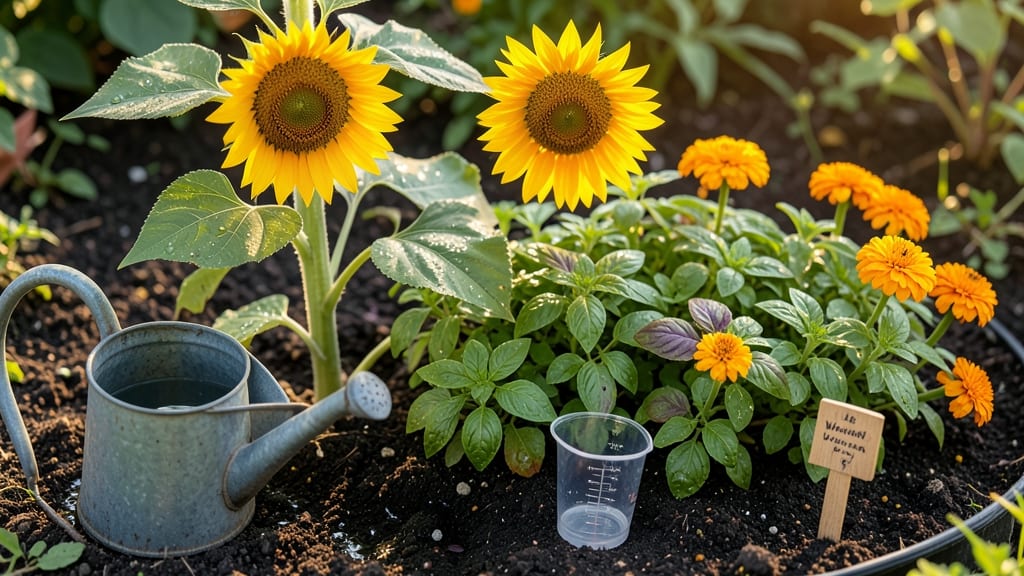
A garden needs 1 to 1.5 inches of water per week to thrive—far less than most gardeners assume, and far more than a quick sprinkle delivers.
Overwatering kills more plants than underwatering—but most gardeners still guess how much their garden truly needs. That’s why I dug into the science behind watering schedules, and the results might surprise you.
Soil type, plant species, and even the time of day change how much water your garden actually absorbs. A sandy plot drains fast, while clay holds moisture like a sponge, and thirsty tomatoes demand deep, infrequent watering to grow strong roots.
In this guide, I’ll break down the exact watering schedule for your plants, how to adjust for your climate, and the simple tools that make watering easier—and more efficient—without wasting a drop.
Water requirements by plant type: a science-backed breakdown
Understanding how much water does a garden need depends entirely on what you're growing. Each plant has unique hydration needs based on its growth stage, root depth, and climate zone.
For example, a tomato plant in full sun needs 1-2 inches of water weekly, while a lavender bush thrives on just half that amount to prevent rot. The key is matching water volume to the plant's natural environment—mimicking rainfall patterns where they originate.
Soil type plays a surprising role too. Sandy soil drains quickly, requiring frequent light watering, while clay soil holds moisture longer, needing deep but less frequent watering.
Even the time of day matters: watering in the early morning reduces evaporation and fungal risks. Let's break down the science so you can water with confidence, not guesswork.
📊 SUMMARY-TABLE: Water Requirements by Plant Type
For vegetables like tomatoes, the fruiting stage demands the most water—up to 2 inches weekly—while leafy greens need consistent moisture but can handle slightly drier conditions. Herbs like basil wilt dramatically when thirsty but recover quickly with daily watering in hot weather.
The table above shows how root depth dictates frequency: shallow roots (like herbs) need frequent light water, while deep roots (like trees) benefit from infrequent deep watering.
Climate zones further refine these needs. In USDA Zone 9, where I garden, summer watering may require daily checks for shallow-rooted plants, while Zone 4 gardens might only need supplemental watering in dry spells.
Always adjust for rainfall: if your area gets 1 inch of rain, skip scheduled watering for most plants. Use a rain gauge to track accumulation accurately.
New gardeners often overwater because they assume "more is better." But overwatering causes root rot, a silent killer that turns leaves yellow and stems mushy. Underwatering, on the other hand, causes wilting and crispy edges—easier to spot but just as damaging.
The finger test is your best tool: stick your finger 1-2 inches into soil. If it feels dry, water; if damp, wait. Mulch helps retain moisture and reduces evaporation, cutting water needs by up to 30%.
Seasonal shifts also change the equation. Spring often needs moderate watering as plants establish roots, while summer heat demands daily attention for sun-loving plants. Fall tapers off as growth slows, and winter usually requires minimal watering unless you're growing winter greens.
Pay attention to leaf color: dark green means thriving, pale green signals thirst, and yellow or brown indicates overwatering or disease.
Pro tip: Group plants with similar needs together in your garden layout. This zonal watering approach saves time and water. For instance, place tomatoes and peppers near your drip irrigation line while keeping lavender and rosemary in a drier corner.
This method mirrors natural ecosystems where plants with similar water needs coexist. With this science-backed approach, you'll water efficiently, save resources, and
How to adjust watering for soil, climate, and season
Your garden’s water needs aren’t one-size-fits-all. Sandy soil drains like a sieve, while clay holds moisture like a sponge, and a drought-prone summer demands deeper watering than a humid spring.
Adjusting your approach saves water and prevents root rot or wilting. Start by testing your soil’s moisture retention—just dig 2 inches deep; if it’s dry, it’s time to water.
Climate plays a huge role too. In hot, dry zones, water deeply 2-3 times a week to encourage roots to grow downward. In humid climates, focus on light, frequent watering to prevent fungal diseases.
Seasonal shifts matter too: spring and fall often need less than peak summer heat. A simple rain gauge can track how much nature provides, so you don’t overdo it.
- 1 Test soil moisture before watering: Dig 2 inches deep—if dry, water; if damp, wait. Sandy soil needs frequent, shallow water; clay soil holds moisture longer.
- 2 Adjust for climate: Drought zones need deep watering 2-3x/week; humid areas prefer light daily watering to avoid fungal issues like powdery mildew.
- 3 Seasonal tweaks: Summer = morning watering to reduce evaporation; winter = minimal watering unless soil is bone-dry. Mulch retains moisture year-round.
- 4 Use tools for precision: A moisture meter ($15) eliminates guesswork, while a rain gauge tracks natural water input. Drip irrigation delivers water directly to roots, cutting waste by 30%.
Tools like moisture meters and rain gauges take the guesswork out of watering. I swear by a digital moisture meter—just stick it in the soil, and it tells you exactly when to water.
For large gardens, drip irrigation systems deliver water slowly at the soil level, reducing evaporation and runoff. Even a simple mulch layer (2-3 inches of straw or wood chips) locks in moisture and keeps roots cool.
Don’t forget the time of day matters too. Watering in the early morning (before 9 AM) gives plants time to absorb moisture before the heat of the day. Avoid evening watering, which can leave foliage damp overnight and invite fungal diseases.
If you’re using a sprinkler, aim for 1-1.5 inches per week, including rainfall—split into 2-3 sessions to prevent runoff.
Watch your plants for clues: Wilting leaves often mean underwatering, but yellowing leaves or mushy stems signal overwatering. Adjust your schedule based on what you see. For example, tomatoes need deep watering every 2-3 days in summer, while succulents thrive on once-a-month watering.
Keep a garden journal to track what works best for your specific setup.
With these adjustments, you’ll water smarter—not harder. Your plants will grow stronger, your water bill will shrink, and you’ll spend less time fussing over soggy soil or parched leaves. Start small: test your soil, tweak your schedule, and let your garden tell you what it needs.