How To
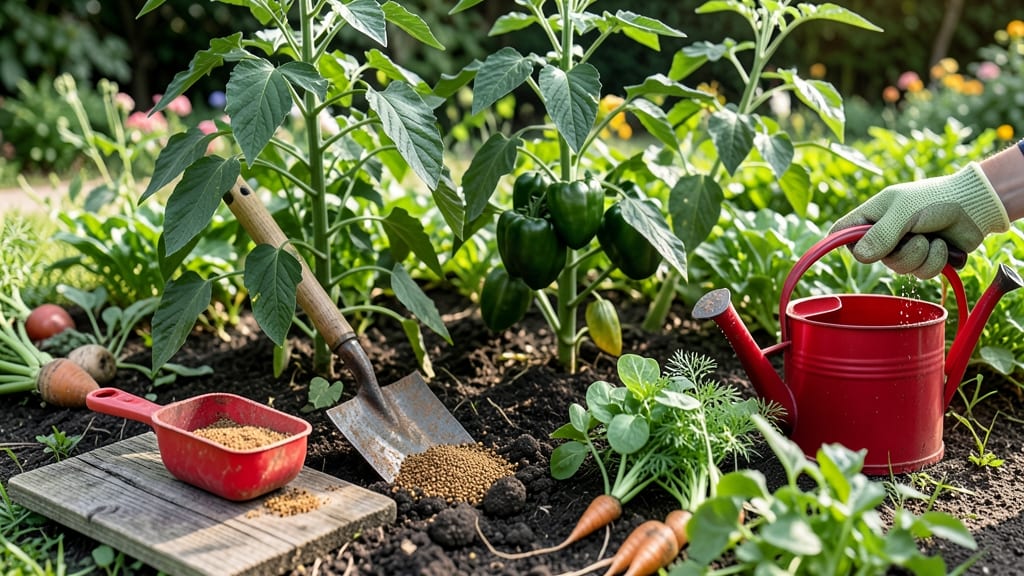
To fertilize your vegetable garden properly means feeding it every 4 to 6 weeks during the growing season—no more, no less—unless your soil test says otherwise.
Picture this: you’re watering your 🥬 vegetable garden every morning, pulling weeds religiously, and still, your tomatoes are the size of marbles. The problem? Too much fertilizer burns roots, while too little leaves plants starving for nutrients. The fix isn’t guesswork—it’s science, starting with a soil test.
Most gardeners overdo it, especially with nitrogen-heavy fertilizers, thinking more equals better. But leafy greens like lettuce need a gentle touch, while fruiting plants like peppers crave potassium. The key is matching your fertilizer to the plant’s needs—and the season.
Below, I break down the exact schedule for your zone, how to read your soil test, and when to skip feeding entirely. No more wasted fertilizer, no more frustrated plants—just a thriving garden that rewards your effort.

Soil test-based fertilization frequency chart for vegetable gardens
Your vegetable garden’s health depends on more than just sunlight and water—it needs the right nutrients at the right time. A soil test reveals your garden’s nutrient deficiencies and helps you avoid over- or under-fertilizing.
Without this data, you might be guessing whether your tomatoes need potassium or your lettuce craves nitrogen. Let’s break down how to fertilize based on your soil type and test results.
Soil types—sandy, loamy, or clay—drain nutrients at different rates. Sandy soil drains too quickly, while clay holds nutrients too tightly.
Loamy soil strikes a balance, but even it needs adjustments. Nitrogen (N) fuels leafy growth, phosphorus (P) supports root and flower development, and potassium (K) boosts disease resistance and fruit production. Your soil test will show which nutrients are lacking.
Below is a fertilization frequency chart tailored to your soil’s needs. Use this as a guide to apply fertilizers—organic or synthetic—only when your plants need them. For example, sandy soil may require more frequent feeding, while clay soil might need less but more concentrated applications.
Always water after fertilizing to prevent root burn.
🌱
If your soil test reveals a nitrogen deficiency, focus on leafy greens like spinach or kale, which thrive with frequent, light feedings. For root crops such as carrots or potatoes, prioritize phosphorus to encourage strong root development.
Meanwhile, fruiting vegetables like tomatoes and peppers benefit from potassium-rich fertilizers, especially as they enter their reproductive phase.
For organic gardeners, compost and worm castings are excellent slow-release options. They improve soil structure while providing a steady supply of nutrients. If you prefer synthetic fertilizers, opt for slow-release granules to avoid nutrient spikes that can harm your plants. Always follow the manufacturer
When to fertilize specific vegetables: a seasonal guide
Fertilizing your vegetable garden isn’t a one-size-fits-all task—each plant has unique needs based on its growth stage and what it produces. Leafy greens like spinach and lettuce thrive with gentle nitrogen feeds, while root crops such as carrots and beets need phosphorus to develop properly.
Timing matters just as much as what you apply. For example, fertilizing tomatoes too early can lead to excessive foliage and fewer fruits, while skipping it entirely stunts growth.
Seasonal shifts also play a critical role. Cool-season crops like broccoli and kale benefit from light fertilizing in early spring, while warm-season favorites like peppers and eggplants need a potassium boost as they fruit in summer.
Below, I outline the exact fertilization schedule for your most common vegetables, so you can avoid over- or under-feeding and maximize your harvest.
- 1 Leafy Greens (Lettuce, Spinach, Kale): Light feed with nitrogen-rich fertilizer every 3-4 weeks during active growth. Avoid overdoing it—too much nitrogen causes bitter leaves.
- 2 Root Crops (Carrots, Beets, Radishes): Apply phosphorus-heavy fertilizer at planting and again at 6 weeks. Skip nitrogen—it causes forked roots.
- 3 Fruiting Plants (Tomatoes, Peppers, Eggplants): Feed with balanced or potassium-rich fertilizer every 4 weeks starting 2 weeks after transplanting. Stop fertilizing 4 weeks before harvest.
- 4 Alliums (Onions, Garlic, Leeks): Use a low-nitrogen fertilizer at planting and again at 6 weeks. Avoid late-season feeding—it encourages disease.
- 5 Corn and Peas: Apply nitrogen at planting and again at 6-8 weeks. Peas fix their own nitrogen, so skip extra feeds after planting.
For tomatoes, the key is patience. Start fertilizing only after the plants have developed their first true leaves and are established in the soil. A 5-10-10 fertilizer (low nitrogen, medium phosphorus, high potassium) works best for fruiting stages.
I’ve learned the hard way that fertilizing too late in the season leads to weak, disease-prone plants. Always stop feeding 4-6 weeks before harvest to let the nutrients focus on fruit development rather than new growth.
When it comes to peppers and eggplants, these heat-lovers need consistent feeding. Begin with a balanced fertilizer at transplanting, then switch to a low-nitrogen, high-potassium blend once flowers appear.
These plants are heavy feeders, but overdoing it can cause blossom-end rot—a common issue where the fruit develops dark, sunken spots. To prevent this, I always water deeply after fertilizing and mulch to retain moisture.
Don’t forget about cool-season crops like broccoli and cabbage. These plants benefit from a light feeding at planting and again when they start forming heads. However, too much nitrogen will result in lush leaves but small, underdeveloped heads.
For these crops, a low-nitrogen, high-phosphorus fertilizer is ideal. I’ve found that a side dressing of compost in early spring gives them a slow-release boost without the risk of burning.
Finally, always consider your soil type. Sandy soils drain quickly and may need more frequent, lighter feeds, while clay soils hold nutrients longer and can go longer between fertilizations.
If you’re unsure, a simple soil test will tell you exactly what your garden needs—saving you time, money, and the frustration of guessing. The goal is healthy plants, not just big leaves or rapid growth.