Size
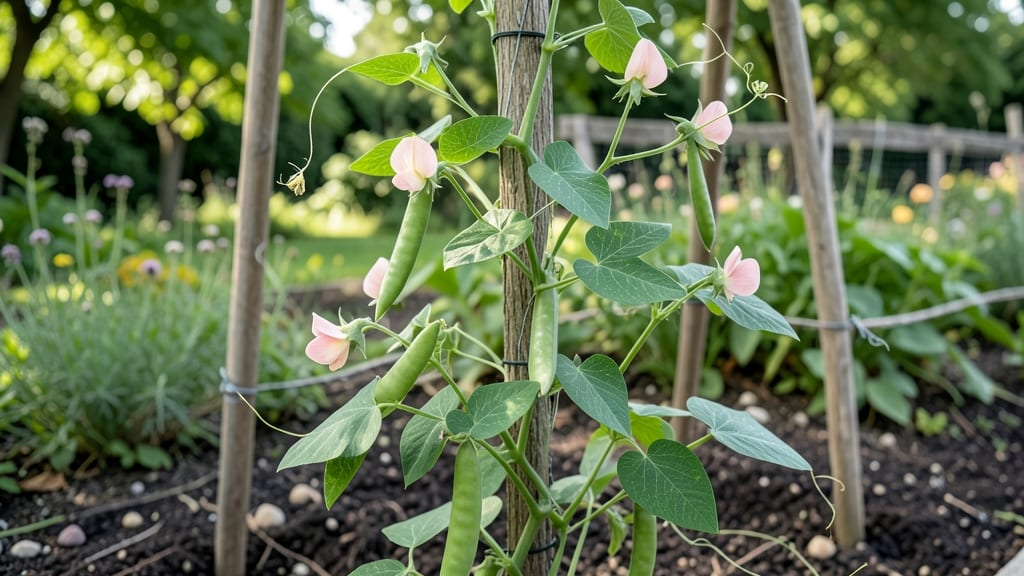
How tall do garden peas grow? They typically reach heights between 1 and 3 feet, depending on the variety and whether you provide support like a trellis 🌱 — a fact that can completely change how you plan your garden layout.
Wondering how much vertical space your garden peas need? Knowing the height of your pea varieties can mean the difference between a thriving vine and a tangled mess — plus, it determines whether you’ll need a trellis or not!
Dwarf varieties stay compact at just 6 to 12 inches, perfect for small spaces or container gardens, while climbing types reach 2 to 3 feet when given proper support. This height range also affects spacing, companion planting, and even how you train vines to save space.
Below, I’ll break down the exact heights for common varieties, when to use a trellis (and when to skip it), and how to maximize your garden’s vertical real estate without sacrificing yield.

Garden pea varieties & their average heights (with trellis vs. no trellis)
Garden peas come in a stunning variety of heights, from compact dwarf varieties that stay under a foot tall to towering climbing vines reaching nearly 8 feet. The height of your peas isn’t just about aesthetics—it directly impacts your garden layout, trellis needs, and even harvest efficiency.
Without proper support, taller varieties can sprawl chaotically, while dwarf types may need extra spacing to avoid competition.
Most gardeners focus on three main pea types: snap peas, shelling peas, and snow peas. Each has distinct height ranges, and understanding these differences helps you plan your vertical garden space effectively.
For example, a 6-inch dwarf pea fits perfectly in a container, while a 7-foot climbing variety demands a sturdy trellis or fence. Let’s break down the specifics so you can choose the perfect fit for your garden.
| Variety Type | Average Height (No Trellis) | Average Height (With Trellis) | Best For | Trellis Recommendation |
|---|---|---|---|---|
| Dwarf Snap Peas (e.g., 'Sugar Sprint') | 6–12 inches | 6–12 inches (no climbing) | Containers, small gardens | None |
| Bush Shelling Peas (e.g., 'Doubllow') | 1–2 feet | 1–2 feet (minimal climbing) | Small plots, raised beds | Low stakes (optional) |
| Semi-Dwarf Snow Peas (e.g., 'Oregon Sugar Pod') | 2–3 feet | 4–5 feet (moderate climbing) | Vertical gardens, small spaces | 4–5 ft trellis |
| Climbing Snap Peas (e.g., 'Sugar Ann') | 3–6 feet (sprawling) | 6–8 feet (structured) | Fences, tall trellises | 6–8 ft trellis |
| Tall Shelling Peas (e.g., 'Green Arrow') | 4–7 feet (sprawling) | 7–8 feet (structured) | Large gardens, trellis systems | 7–8 ft trellis |
If you’re growing dwarf varieties, you’ll save space and skip the trellis entirely. These peas thrive in containers or small plots, making them ideal for balconies or urban gardens.
For example, the 'Sugar Sprint' snap pea stays under 12 inches tall, perfect for a 5-gallon bucket with a few inches of compost. No trellis? No problem—just ensure they have 6–8 inches between plants to prevent overcrowding.
On the other hand, climbing varieties like 'Green Arrow' or 'Sugar Ann' can reach 7–8 feet with proper support. Without a trellis, these vines sprawl horizontally, competing for space with other plants and making harvests difficult.
A 6-foot trellis transforms these varieties into vertical powerhouses, saving garden real estate and improving airflow to reduce disease risk. I’ve seen 'Green Arrow' peas climb a bamboo trellis to the top of my 8-foot fence, producing pods all season long.
Seasonal timing also plays a role in pea height. Early spring plantings often result in shorter vines due to cooler temperatures, while late spring or early summer plantings can push climbing varieties to their maximum height.
For instance, in my Zone 6a garden, peas planted in March rarely exceed 3 feet, but those sown in April often reach 6 feet with trellis support. Always check your last frost date and adjust planting times accordingly.
Another key factor is spacing between plants. Dwarf peas
How to choose the right trellis for tall pea varieties (and when to skip it)
Not all garden peas need a trellis, but if you’re growing climbing varieties like Sugar Snap or Telephone peas, support is essential. These vines can reach 2 to 3 feet without proper structure, leading to tangled messes and poor air circulation.
The right trellis not only maximizes vertical space but also improves pod production and reduces disease risk.
For dwarf varieties like Little Marvel or Tom Thumb, which max out at 6 to 12 inches, trellises are unnecessary. These compact plants thrive in in-ground beds or containers, making them ideal for small gardens or urban spaces.
Always check the seed packet—it’ll specify whether your variety is a bush or climbing type.
🌱 Trellis Materials & Heights for Tall Peas
- Bamboo Stakes: 4–6 ft tall, sturdy for heavy vines like Mammoth Melting Sugar
- Wire Trellis: 5–7 ft tall, ideal for snap peas in row gardens (use 12-gauge wire)
- Netting: 4–5 ft tall, lightweight for containers or small-space gardens
- Tall Cages: 3–4 ft tall, perfect for semi-dwarf varieties like Green Arrow
Pro Tip: Install trellises before planting—peas hate being transplanted!
When setting up your trellis, aim for a height that’s 12–18 inches taller than your tallest pea variety. This extra space prevents vines from flopping over during wind or rain.
For example, if you’re growing Sugar Ann peas (which reach 2 feet), a 3-foot trellis gives them room to climb without stress. Space trellises 18–24 inches apart in rows to allow easy access for harvesting.
If your peas start sagging mid-season, it’s usually a sign of overcrowding or insufficient support. Add extra ties (use soft garden twine) or reinforce weak spots with sturdy stakes.
Avoid metal ties—they can cut into tender vines. For container gardening, opt for a freestanding trellis or a cage system to save space.
Skip the trellis entirely for bush peas like Oregon Sugar Pod, which stay under 12 inches. These varieties are self-supporting and perfect for interplanting with radishes or lettuce. Just ensure they have well-draining soil and consistent moisture—their compact growth habit makes them low-maintenance stars in any garden.
Remember, the right trellis isn’t just about height—it’s about supporting healthy growth while saving your garden’s precious real estate. Whether you’re a small-space gardener or a large-scale grower, choosing the right structure can double your yield without expanding your plot 🌿.