How To
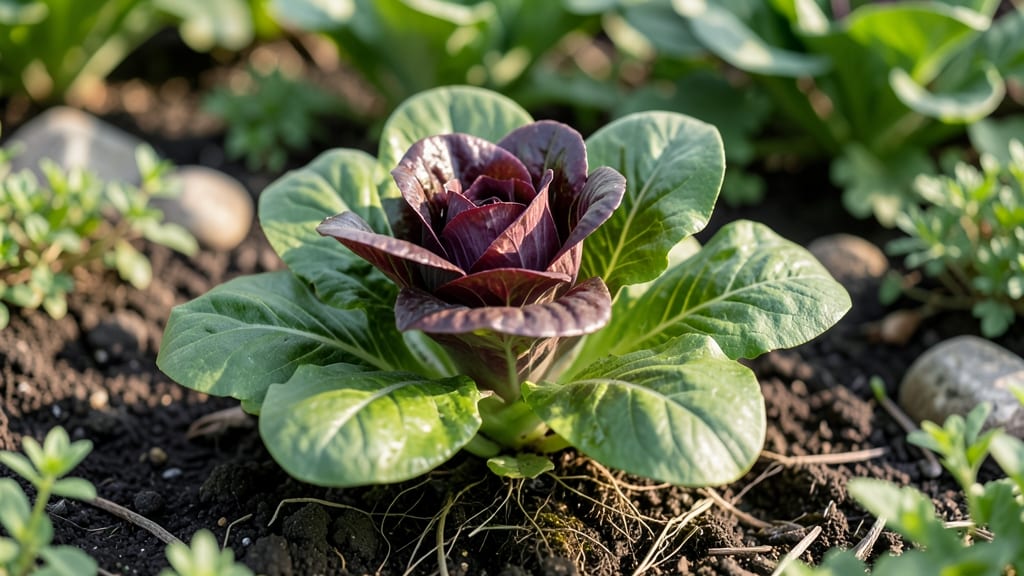
Growing a lettuce garden is one of the fastest ways to turn your backyard or balcony into a fresh salad source in just 30 days—no fancy skills required.
Imagine biting into crisp, homegrown 🥬 in just 30 days—no pesticides, no grocery store markup, just pure garden-fresh flavor. Growing your own lettuce garden isn’t just rewarding; it’s one of the fastest and easiest ways to transform your outdoor space into a salad bar.
You don’t need a massive plot or even full sun—lettuce thrives in partial shade and containers, making it perfect for small spaces.
Whether you’re a first-time gardener or a seasoned green thumb, this guide will show you how to pick the right varieties, space them correctly, and keep them crisp all season long.
From soil prep to pest control, I’ll walk you through every step to ensure your lettuce stays fresh, flavorful, and ready to harvest in record time. Let’s get started!

Fastest-growing lettuce varieties for your garden (with planting times)
If you're dreaming of a crisp salad in just 30 days, you’ll love these fastest-growing lettuce varieties. From buttercrunch to romaine, these varieties deliver quick harvests while thriving in both spring and fall.
The key? Choosing the right type for your climate and planting at the perfect time to avoid bolting—those bitter, flowery surprises we all hate.
My top picks include Black Seeded Simpson (a classic 30-day harvest variety) and Little Gem (ready in 45 days with stunning red-tinged leaves). For cold-hardy options, Winter Density and Arctic King are my go-tos—they’ll keep producing even when temperatures dip below freezing.
The secret? Planting them 8-10 weeks before your first frost ensures a steady supply of fresh greens.
Here’s a quick breakdown of the fastest varieties and their ideal planting windows to maximize your garden’s productivity year-round:
| Variety | Type | Days to Harvest | Spring Planting | Fall Planting | Cold Tolerance |
|---|---|---|---|---|---|
| Black Seeded Simpson | Butterhead | 30-35 days | 4-6 weeks before last frost | 8-10 weeks before first frost | Moderate |
| Little Gem | Romaine | 45-50 days | 3-4 weeks before last frost | 7-9 weeks before first frost | High |
| Winter Density | Butterhead | 50-60 days | 2-3 weeks before last frost | 10-12 weeks before first frost | Very High |
| Arctic King | Romaine | 40-45 days | 4-6 weeks before last frost | 8-10 weeks before first frost | Very High |
| Merlot | Looseleaf | 30-35 days | 3-4 weeks before last frost | 7-9 weeks before first frost | Moderate |
For spring planting, aim to sow seeds 4-6 weeks before your last frost date. This gives seedlings enough time to establish roots before warmer weather arrives.
My trick? Use row covers or cold frames to protect tender seedlings from late frosts—this extends your growing season by 2-3 weeks without risking bolting.
Fall is just as rewarding. Plant 8-10 weeks before your first frost for a second harvest before winter sets in. Arctic King and Winter Density are my favorites here—they handle light frosts like champions, delivering crisp lettuce even when temperatures hover around 25°F.
Just avoid planting too late; if days get short, lettuce will bolt faster, turning your salad greens into bitter flowers.
Pro tip: Succession plant every 2 weeks for a continuous harvest. This works especially well with looseleaf varieties like Merlot, which mature in just 30 days. Start with a
Perfect lettuce spacing secrets to prevent crowding and bolting
Getting your lettuce spacing right is the secret to avoiding bitter, bolted leaves and maximizing your harvest. Too close, and your plants will compete for nutrients and sunlight, leading to weak growth. Too far apart, and you’ll waste precious garden space.
The key is finding that sweet spot where each plant gets enough room to thrive without overcrowding.
Most gardeners make the mistake of treating all lettuce varieties the same. But leaf lettuce, romaine, and butterhead each have different spacing needs. For example, loose-leaf varieties like Black Seeded Simpson can handle tighter spacing, while romaine needs more room to develop its sturdy stems.
Let’s break down the best spacing strategies to keep your lettuce happy and productive.
| Planting Method | Spacing (Inches) | Best For | Pros | Cons |
|---|---|---|---|---|
| Row Planting | 12-18" | Romaine, Iceberg | Easy to thin, good for large gardens | Less efficient space use |
| Block Planting | 6-12" | Leaf Lettuce, Butterhead | Maximizes space, better pest control | Harder to thin, may need more water |
| Container Planting | 4-6" apart | Small Varieties (Little Gem) | Great for balconies, easy to monitor | Limited root space, needs frequent watering |
| Succession Planting | 8-10" apart | All Varieties | Continuous harvest, extends season | Requires planning and space |
If you’re growing in rich, fertile soil, you can space plants slightly closer together since they’ll have more nutrients available. However, in poor or sandy soil, give them extra room—up to 24 inches apart—to prevent competition.
I’ve found that adding a 2-inch layer of compost before planting helps improve soil quality, allowing me to space plants more closely without issues.
Another pro tip: Thin seedlings as soon as they’re 2-3 inches tall. This might seem cruel, but it’s essential for giving your remaining plants enough space to grow strong.
Use sharp scissors to avoid disturbing the roots of nearby plants. If you’re short on space, consider harvesting the thinnings for microgreens—it’s a great way to reduce waste!
For hot summer months, space lettuce even further apart (up to 20 inches) to prevent bolting. Lettuce bolts when it gets too hot, turning bitter and tough.
Planting in partial shade or using shade cloth can help maintain that crisp texture while allowing you to keep plants closer together. I’ve had great success with shade cloth rated for 30-50% blockage during peak afternoon sun.
Remember, the right spacing isn’t just about avoiding crowding—it’s about creating an environment where your lettuce can thrive. With the perfect balance of sunlight, nutrients, and air circulation, you’ll enjoy a steady supply of fresh, crisp lettuce all season long. Happy planting!