How To
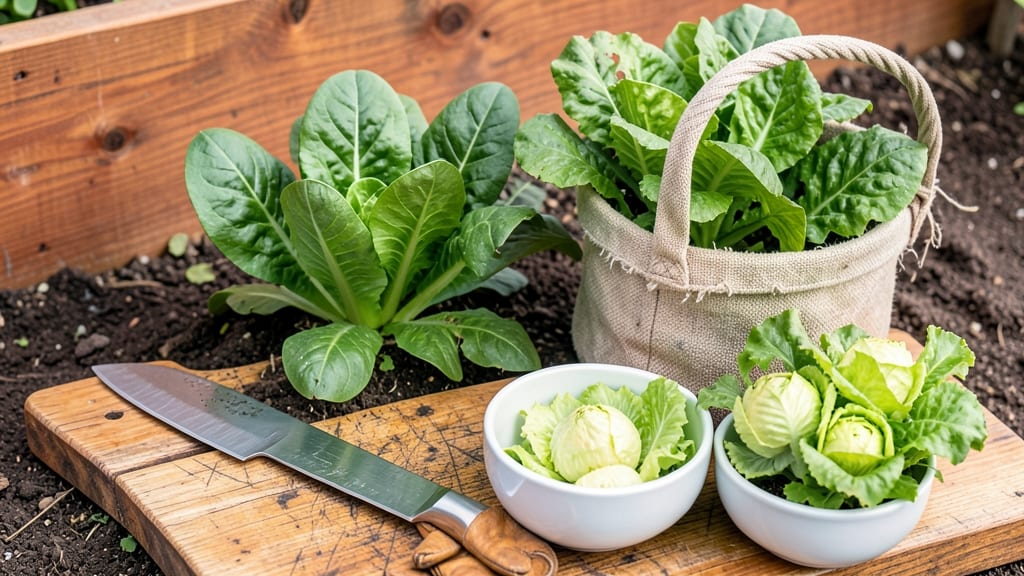
Harvesting lettuce from your garden the right way means crisp, flavorful leaves for weeks—not just a single feast.
Picture this: you’ve nurtured your 🥬 plants through spring, and now you’re ready to pick the perfect leaves without sacrificing future growth. The key? Using the cut-and-come-again method, which turns a one-time harvest into a steady supply of fresh greens.
Timing matters—wait until outer leaves reach 3–6 inches and are fully unfurled before snipping. Cut just above the soil line at a slight angle to encourage regrowth, and avoid pulling entire plants. With the right technique, you’ll enjoy continuous harvests all season long.
In this guide, I’ll walk you through when to harvest, the best tools to use, and how to care for your lettuce after cutting so it keeps producing. No more wasted effort—just a garden that keeps giving.


When and how to harvest lettuce using the cut-and-come-again method
The cut-and-come-again method is my secret weapon for extending lettuce harvests by 30-50%. Instead of pulling the whole plant, you snip outer leaves, letting the center regrow. This works best with loose-leaf varieties like Buttercrunch or Romaine, but even head lettuce can adapt with care.
Timing is everything: harvest when leaves reach 3-6 inches tall and have a crisp texture. Avoid cutting into the inner heart—this keeps the plant alive for 4-6 more harvests. The key is patience; rushing leads to bitterness or bolting.
Weather matters too. Harvest on cool, cloudy mornings to preserve crispness. Avoid hot afternoons—leaves wilt faster and taste bitter. If you must harvest in heat, do it early and store leaves in the fridge immediately.
You’ll need just two tools: a sharp pair of scissors (to avoid crushing stems) and a clean bowl for your harvest. Skip the knife—it damages the plant more than scissors.
Now, let’s dive into the step-by-step process. Follow these steps to harvest without harming your lettuce—and get ready for a continuous harvest all season!
Pro tip: If your lettuce starts to bolt (send up a flower stalk), it’s past its prime for regrowth. This happens in hot weather or when days get longer. To delay bolting, provide afternoon shade with a row cover or shade cloth.
With this method, I’ve harvested up to 8 times from a single planting! The secret? Consistency and gentle care. Avoid over-harvesting—if you take too much, the plant won’t recover. Balance is key.
Ready to try? Start with one plant and practice the cut-and-come-again method. Soon, you’ll have a never-ending supply of fresh, homegrown lettuce—no grocery store needed!
Pro tips to maximize lettuce regrowth after harvesting
After harvesting your lettuce, the real magic happens when you encourage those remaining leaves to bounce back stronger than ever. The secret lies in post-harvest care—a combination of smart fertilization, precise watering, and protecting your plants from stress.
I’ve grown lettuce for years, and I can tell you: the difference between a sad, stunted regrowth and a lush, continuous harvest often comes down to these science-backed strategies.
Let’s start with the most critical factor: fertilization. Lettuce is a heavy feeder, especially after you’ve removed some of its leaves. A balanced 5-10-10 fertilizer (high in nitrogen) applied 4–6 weeks after planting and again after each harvest will give your plants the nutrients they need to rebound.
Think of it like giving your lettuce a post-workout smoothie—it needs that extra boost to recover and grow back leafy and crisp.
Now, here’s where many gardeners go wrong: watering schedules. Lettuce hates inconsistency. Aim for 1 inch of water per week, delivered in the early morning to reduce evaporation and fungal risks.
If you’re in a hot climate, you might need to water daily, but always check the soil—it should stay consistently moist but not soggy. Overwatering can lead to root rot, while underwatering causes bitterness and bolting (that’s when your lettuce turns bitter and flowers prematurely).
- 🌱 Fertilize After Harvest: Apply a high-nitrogen fertilizer (5-10-10) immediately after cutting leaves. Use ½ tbsp per plant or 1 cup per 10 sq ft to avoid overfeeding.
- ☀️ Optimize Sunlight: Move plants to partial shade (4–6 hours of sun) if temperatures exceed 80°F. Use shade cloth to protect from afternoon heat.
- 💧 Water Deeply in Morning: Provide 1 inch of water weekly, focusing on the root zone. Avoid wetting leaves to prevent disease.
- ✂️ Trim Strategically: Always cut outer leaves first, leaving the inner rosette intact. Use clean scissors to avoid damaging stems.
- 🛡️ Prevent Pests: Apply neem oil or companion plants like marigolds to deter aphids and slugs, which target stressed lettuce.
Sunlight is another game-changer for regrowth. While lettuce thrives in partial shade, too much direct sun—especially during hot afternoons—can cause bolting. If temperatures climb above 80°F, consider providing 30–50% shade cloth to keep your plants cool and happy.
I’ve seen lettuce bolt in as little as 3 days under intense heat, so don’t skip this step if you’re in a warm climate.
Pests and diseases are the silent killers of regrowing lettuce. After harvesting, your plants are vulnerable, so preventative care is key. Start by removing any yellow or damaged leaves immediately—they’re breeding grounds for pests.
Then, apply a neem oil spray or introduce companion plants like marigolds to repel aphids and slugs. A healthy soil ecosystem also helps; add a 2-inch layer of mulch to retain moisture and suppress weeds, which compete for nutrients.
Finally, don’t forget to monitor your progress. Within 2–3 weeks of proper care, you should see new growth emerging from the center of your lettuce plant. If you notice slow regrowth, reassess your watering, sunlight, and fertilization—these are the three pillars of successful lettuce recovery.
With these tips, you’ll enjoy continuous harvests for weeks, turning your garden into a lettuce-producing machine.