Watering
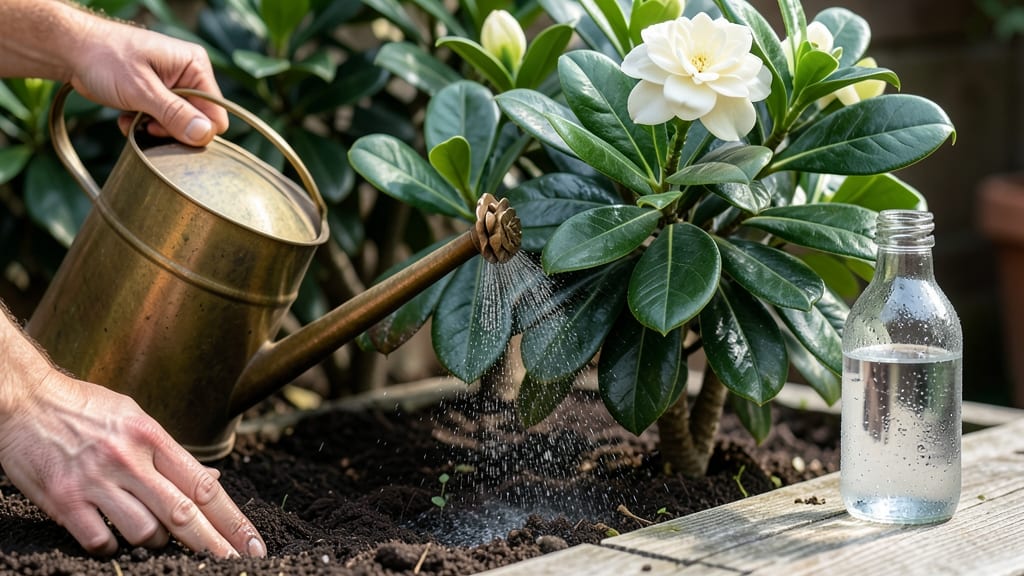
To water a gardenia plant properly, aim for deep, consistent moisture without drowning its roots — the difference between a thriving 🌸 and a struggling shrub.
Struggling to keep your gardenia plant thriving with fragrant blooms? The secret often lies in mastering its watering needs — too much or too little can spell disaster for these delicate beauties.
Gardenia plants crave moisture, but their roots hate soggy soil. A deep soak every 2-3 days in summer keeps them happy, while winter slows their thirst to about once a week.
Below, I’ll break down the exact watering schedule by season, how to tell if you’re over- or underwatering, and the one trick that ensures those iconic blooms keep coming.
Optimal watering schedule for gardenia plants by season
Gardenia plants thrive on a consistent moisture schedule, but their needs shift dramatically with the seasons. In summer's heat, they demand frequent hydration, while winter's chill slows their thirst to a trickle. Understanding these seasonal rhythms is key to preventing drooping leaves or bud drop.
Your gardenia's watering routine should also adapt to your local climate and soil type. Sandy soils dry out faster, requiring more frequent watering, while clay holds moisture longer, reducing the need. Even container-grown gardenias need different care than those planted in the ground.
Let's break down the seasonal watering schedule for gardenias, including how to adjust for your specific growing conditions. This ensures your plant stays lush, fragrant, and blooming season after season.
In spring, your gardenia transitions from dormancy and needs frequent deep watering to encourage new growth. Aim to water every 2-3 days, ensuring the top 2 inches of soil dry out between sessions.
This is also when you should increase mulch around the base to retain moisture and regulate soil temperature.
During summer, gardenias demand the most attention. Water daily to every other day, always in the early morning to prevent fungal diseases. The key is to soak the soil 8-10 inches deep—this encourages deep root growth.
If your gardenia is in a container, it may need watering every 1-2 days due to faster drying.
As fall arrives, reduce watering to about once a week. The cooler temperatures mean your gardenia isn't transpiring as much, so let the top 2-3 inches of soil dry out before watering again. This is also the time to reduce fertilization, as the plant prepares for dormancy.
In winter, gardenias enter a semi-dormant state and need minimal water. Cut back to bi-weekly watering, or even less if your region experiences freezing temperatures. Always check the soil first—if it's frozen or bone-dry, hold off on watering until conditions improve.
For container-grown gardenias, the rules change slightly. Smaller pots dry out faster, so you may need to water every 1-2 days in summer, even if the weather is mild.
Use a moisture meter or stick your finger 2 inches into the soil—if it's dry, it's time to water.
If you live in a humid climate, reduce watering slightly to avoid fungal issues. Conversely, in dry or windy areas, increase frequency to compensate for moisture loss. Always adjust based on your gardenia's specific response—yellowing leaves may signal overwatering, while crispy edges often mean it's thirsty.
Remember, the goal is to keep your gardenia's soil consistently moist but never soggy. With this seasonal schedule, you'll enjoy lush foliage and fragrant blooms all year round. 🌸
Signs of overwatering vs underwatering in gardenias (and how to fix it)
Your gardenia’s leaves tell a story—drooping or yellowing foliage often signals water stress, but the cause can be either overwatering or underwatering. The key difference lies in the soil and root health: soggy roots scream for air, while dry roots beg for hydration.
First, stick your finger 1-2 inches into the soil. If it feels damp, hold off on watering—gardenia roots need consistent moisture, not a swampy environment. But if the soil is bone-dry, it’s time to revive your plant with a deep watering session.
How to Water a Gardenia Plant: Pros & Cons
- Water deeply until water drains from the pot’s bottom
- Use morning watering to reduce fungal risk
- Check soil moisture with your finger—top 1-2 inches should dry slightly between waterings
- Use rainwater or distilled water (gardenia hates chlorine)
- Let soil stay soggy for days (root rot risk)
- Water on leaves or buds (causes brown spots)
- Use ice-cold water (shocks roots)
- Skip the drainage check (pots must have holes!)
Yellow leaves with mushy stems? That’s your gardenia’s SOS for overwatering. Blackened roots or a foul smell confirm it—time to repot in fresh soil and trim any damaged roots. For underwatering, wilted leaves that crisp at the edges and dry, brittle stems are the giveaways.
To fix underwatering, soak the pot for 10-15 minutes until water flows freely from the bottom. For overwatering, reduce frequency and ensure the pot has drainage holes. A moisture meter ($10 at garden centers) becomes your best friend—no more guessing!
Prevent future stress by mulching with pine bark (keeps soil acidic and moist) and watering only when the top inch of soil feels dry. Gardenias reward consistency—stick to this routine, and you’ll enjoy glossy leaves and fragrant blooms all season.
🌿