Tools
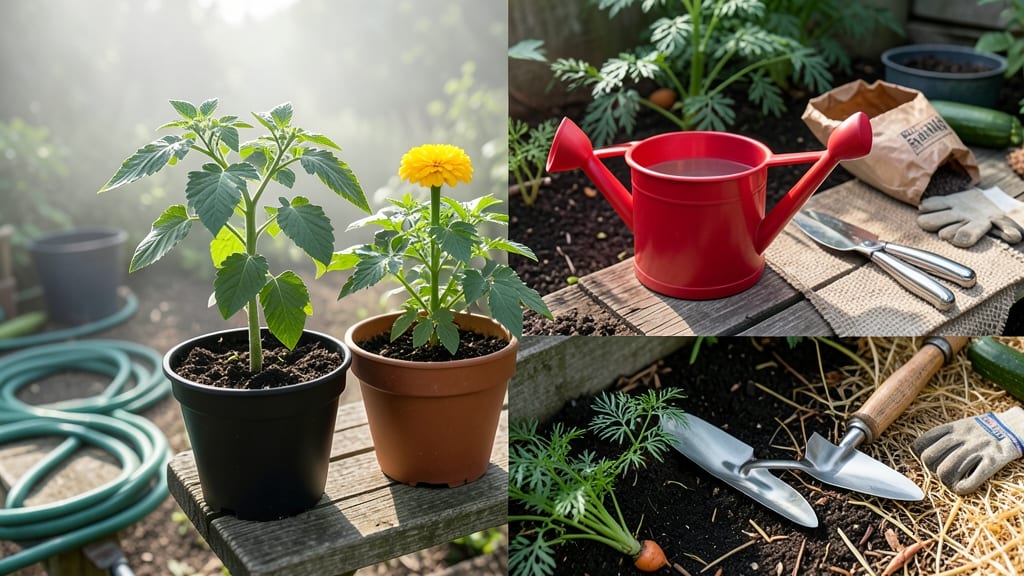
Gardening steps turn a patch of dirt into a thriving oasis—even if you’ve never held a trowel before.
Dreaming of lush green plants and fresh homegrown produce but unsure where to start? The secret isn’t luck; it’s following a few simple, science-backed steps that work for every beginner. Whether you’re planting flowers, veggies, or herbs, the process boils down to prep, plant, and care—no green thumb required.
From testing your soil to picking the right plants for your space, we’ll break down the 10 essential steps that guarantee success. You’ll learn when to water, how to fertilize without burning your plants, and the timing tricks that save you from common mistakes—like overwatering or choosing the wrong spot.
By the end, you’ll have a clear, actionable plan to grow confidently, harvest like a pro, and enjoy the rewards of your hard work—no matter your experience level.
10 Essential gardening steps every beginner must follow
Gardening can feel overwhelming at first, but breaking it down into simple steps makes it manageable. Whether you're growing vegetables, flowers, or herbs, these 10 foundational actions will set you up for success.
I’ve learned that planning ahead and patience are key—your garden will thank you for it! Start small, and soon you’ll be harvesting like a pro.
Before you dig a single hole, take time to assess your space. Look for areas with 6+ hours of sunlight for vegetables and herbs, or partial shade for delicate flowers.
Avoid low-lying spots where water pools, as root rot can quickly ruin your hard work. Pro tip: Use a sunlight tracker app for a week to map your yard’s light patterns.
Use a soil test kit to check pH (aim for 6.0–7.0). Amend with compost or aged manure 4–6 weeks before planting.
Match plants to your climate zone and garden conditions. Start with easy picks like lettuce, marigolds, or basil.
Follow your last frost date (April 15 in Zone 6a). Plant cool-season crops (like peas) 2 weeks before frost; warm-season crops (like tomatoes) after.
Loosen soil to 12 inches deep and remove weeds. For raised beds, mix in peat moss or coco coir for better drainage.
Follow seed depth guidelines (e.g., tiny seeds like carrots need just ¼ inch cover). Space plants as labeled to avoid overcrowding.
Water deeply 1–2 inches per week, early in the morning. Use a soaker hose to avoid wetting leaves, which prevents disease.
Use a balanced fertilizer (10-10-10) every 4–6 weeks during the growing season. Stop fertilizing 6 weeks before first frost.
Apply 2–3 inches of mulch (straw, wood chips) around plants to suppress weeds and keep soil cool. Replenish as it breaks down.
How to choose the right plants for your gardening goals
Selecting the perfect plants for your garden isn’t just about picking what you love—it’s about matching your climate, space, and skill level with plants that thrive. Whether you’re a busy parent, a retirement hobbyist, or a pollinator advocate, the right choices make gardening effortless and rewarding.
Start by assessing your USDA hardiness zone, sunlight exposure, and how much time you can dedicate to care.
For example, if you live in Zone 6a like many gardeners, drought-tolerant lavender or rosemary are ideal for sunny spots, while hostas or heucheras thrive in partial shade.
Your garden’s size also dictates plant selection—compact bush beans or radishes suit small spaces, while sprawling tomatoes or cucumbers need trellises or larger plots.
Here’s a quick guide to help you align your goals with the best plants:
| Gardening Goal | Best Plant Choices | Key Requirements |
|---|---|---|
| Low-Maintenance Flowers | Lavender, Coneflowers, Black-Eyed Susans | Full sun, well-draining soil, drought-tolerant |
| High-Yield Vegetables | Tomatoes, Zucchini, Green Beans | 6+ hours sun, rich soil, consistent water |
| Pollinator-Friendly | Milkweed, Bee Balm, Sunflowers | Partial to full sun, native soil types |
| Beginner Herbs | Basil, Parsley, Chives | 4–6 hours sun, potted or in-ground |
| Shade-Tolerant Plants | Ferns, Impatiens, Hostas | <4 hours sun, moist soil |
Don’t overlook seasonal timing—plant cool-season crops like spinach or kale in early spring or fall, while heat-loving peppers and eggplants need warm soil.
For Zone 6a, aim to plant warm-season veggies after your last frost date (April 15) and cool-season crops 4–6 weeks before the first frost (October 31).
Pro tip: Use container gardening for herbs or small veggies if space is limited. Containers give you control over soil quality and make it easier to move plants to optimal sunlight.
For example, basil thrives in pots with morning sun and afternoon shade, while thyme loves full sun and drought conditions.
Finally, consider plant companions—pairing marigolds with tomatoes deters pests, and basil enhances tomato flavor. Start small with 2–3 plants you love, then expand as you gain confidence. Your garden will reward you with beauty, food, and joy—no guesswork required! 🌱