
Container Gardens
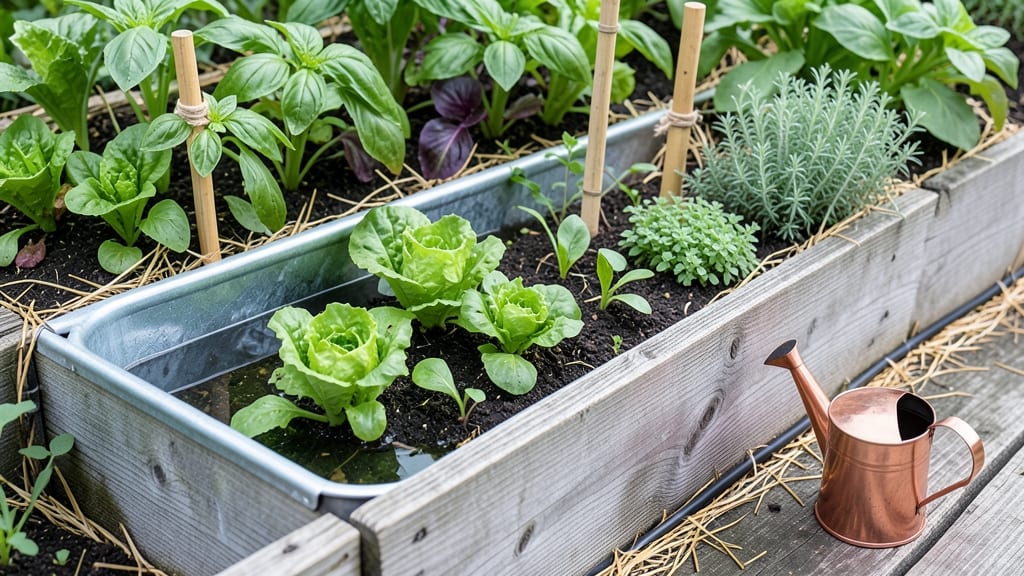
Repurposing water troughs into raised garden beds 🌱 is a creative way to turn old containers into stylish, space-efficient growing spaces that save money and add character to your yard.
Transforming old water troughs into raised garden beds is a brilliant way to maximize small spaces while adding rustic charm to your garden—without breaking the bank.
These DIY garden beds are perfect for growing herbs, leafy greens, and compact vegetables, all while requiring less soil than traditional beds. Plus, they’re easy to move if you need to adjust your garden layout.
Below, I’ll walk you through the best materials for durability, how to ensure proper drainage, and which plants thrive in these unique containers—so you can start growing in no time.
How to convert water troughs into functional raised garden beds
Transforming old water troughs into raised garden beds is one of my favorite ways to breathe new life into forgotten containers while creating stunning, functional garden spaces. These troughs—whether plastic, metal, or wooden—provide the perfect foundation for growing herbs, leafy greens, and compact vegetables in small yards or urban balconies.
The key to success lies in understanding your trough's material, ensuring proper drainage, and selecting plants that thrive in shallow root environments.
With the right prep, you can turn a simple water trough into a thriving garden that requires minimal soil and maintenance while adding rustic charm to your outdoor space.
Before diving in, gather your tools: a drill or screwdriver for drainage holes, a tape measure, gardening gloves, and quality soil mix. Don't forget to check your trough for any cracks or rust—repairing these now will save headaches later.
Step-by-Step Guide to Repurposing Water Troughs
-
Step 1: Clean and Inspect
Scrub your trough thoroughly with soapy water to remove dirt, algae, or debris. Check for cracks, rust, or weak spots—repair with waterproof sealant if needed. -
Step 2: Drill Drainage Holes
Use a 1/4-inch drill bit to create holes in the bottom and sides (if needed) for excess water. Space them 6-8 inches apart to prevent soil erosion. -
Step 3: Line with Landscape Fabric
Cut a piece of landscape fabric to fit the bottom and sides. This prevents soil from washing out through drainage holes while allowing water to flow freely. -
Step 4: Add a Drainage Layer
Fill the bottom with 1-2 inches of gravel or broken pottery to improve drainage and aeration. This layer is critical for preventing root rot in shallow containers. -
Step 5: Mix Soil for Containers
Use a blend of 50% potting soil, 30% compost, and 20% perlite or vermiculite. This lightweight mix ensures good drainage while retaining moisture for roots. -
Step 6: Fill and Level
Fill the trough with soil, leaving 1-2 inches of space at the top for watering. Use a level to ensure even distribution, especially for long troughs. -
Step 7: Plant Strategically
Choose shallow-rooted plants like lettuce, herbs, or strawberries. Space them according to their mature size—crowding leads to poor air circulation and disease. -
Step 8: Water and Mulch
Water thoroughly after planting, then apply 1 inch of mulch (straw or shredded bark) to retain moisture and suppress weeds. Avoid mulching too close to stems.
For plastic troughs, ensure they’re UV-stabilized to prevent cracking over time. If using metal troughs, line them with plastic sheeting to protect against rust and corrosion. Wooden troughs benefit from a fresh coat of non-toxic sealant to extend their lifespan.
One of my favorite cost-saving tips? Repurpose old pallet wood or cinder blocks as supports for long troughs. This adds stability and elevates the bed slightly, improving drainage and accessibility for weeding or harvesting.
Once planted, monitor your trough garden closely for the first 2-3 weeks. Shallow containers dry out faster, so water consistently in the morning to avoid fungal issues. A drip irrigation system or self-watering reservoir can simplify maintenance and keep roots happy.
With the right setup, your water trough raised garden bed will not only save space but also become a focal point in your garden. The possibilities are endless—try vertical stacking for herbs or arranging multiple troughs in a tiered display for a stunning, functional landscape.
Best plants for water trough raised garden beds (space-saving varieties)
Water troughs offer a fantastic opportunity to grow a variety of space-saving plants that thrive in shallow soil depths. The key is selecting shallow-rooted varieties that won’t outgrow their containers quickly.
I’ve curated a list of low-maintenance plants perfect for these rustic containers, including herbs, leafy greens, strawberries, and compact vegetables that will flourish with minimal care.
When choosing plants, prioritize those with small mature sizes and moderate water needs.
Most water troughs provide 6-12 inches of soil depth, which is ideal for root systems that don’t require deep penetration. Herbs like basil and thyme are excellent choices, as are leafy greens such as lettuce and spinach, which grow quickly and don’t demand extensive root space.
| Plant Type | Sun Needs | Water Needs | Mature Size | Harvest Time |
|---|---|---|---|---|
| Basil | Full Sun (6+ hrs) | Moderate | 12-18 inches | 60-75 days |
| Thyme | Full Sun (6+ hrs) | Low | 6-12 inches | 90 days |
| Lettuce | Partial Sun (4-6 hrs) | Moderate | 6-12 inches | 30-50 days |
| Spinach | Partial Sun (4-6 hrs) | Moderate | 12-18 inches | 40-50 days |
| Strawberries | Full Sun (6+ hrs) | Moderate-High | 12-24 inches | 60-90 days |
| Radishes | Full Sun (6+ hrs) | Moderate | 6-12 inches | 25-30 days |
| Chives | Full Sun (6+ hrs) | Low-Moderate | 12-18 inches | 60-70 days |
For companion planting, pair strawberries with basil to deter pests naturally, while lettuce and spinach grow well alongside radishes to maximize space. These combinations not only optimize growth but also create a visually appealing and functional garden layout in your water troughs.
When planting, ensure your trough has proper drainage to prevent root rot, especially for water-loving plants like strawberries.
Use a well-draining potting mix enriched with compost to provide the nutrients these plants need. Mulch the surface with straw or shredded leaves to retain moisture and suppress weeds, making maintenance even easier.
With the right space-saving plants and a little care, your water trough raised garden beds will become a productive and charming addition to your garden.
Start with fast-growing herbs like basil or thyme for quick rewards, then expand to leafy greens and strawberries as you gain confidence in your trough gardening skills.
🌿