
Planting
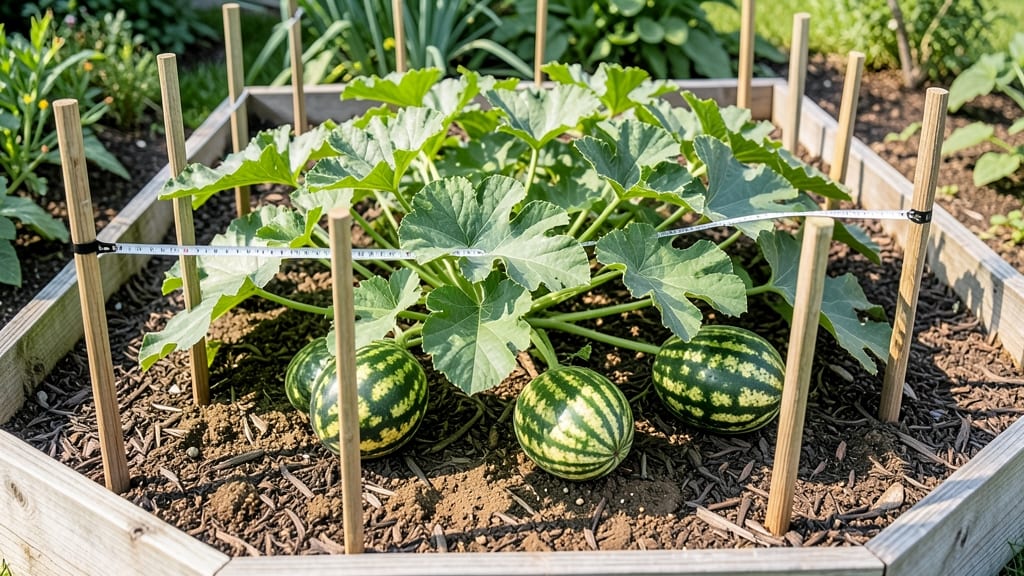
Proper watermelon garden spacing is the foundation for juicy, vine-ripened fruit that doesn’t rot before harvest 🍉 — and the numbers matter more than you think.
Struggling to grow watermelons that crack under their own weight? The secret isn’t just good soil—it’s the right spacing. Cramped vines lead to bitter fruit and stunted growth, while over-spaced plants waste precious garden real estate. Here’s how to get it perfect every time.
Most gardeners assume watermelons need plenty of room to sprawl, but the truth is more nuanced. Bush varieties can thrive in tight rows, while trailing types need 12 feet of horizontal space per plant.
I’ll break down the exact spacing for each type, plus how to adjust for small gardens or containers.
You’ll also learn how spacing affects airflow (which cuts down on powdery mildew), how to arrange plants for maximum sunlight, and why row orientation makes a difference in hot climates. By the end, you’ll know exactly where to plant your seeds for a bumper crop.
Optimal watermelon vine spacing by variety type
Getting your watermelon vine spacing right is the difference between sweet, juicy melons and bitter, undersized failures. Different varieties need different room to thrive—trailing vines sprawl like lazy rivers, while bush varieties stay compact like neatly trimmed hedges.
Even hybrid watermelons have their own spacing quirks. Let’s break down the science behind spacing to maximize your yield and fruit quality.
Proper spacing isn’t just about fitting more plants in—it’s about giving each vine enough airflow and sunlight to prevent diseases like powdery mildew. Crowded plants compete for nutrients, leading to smaller fruits and weaker vines.
Meanwhile, over-spaced plants waste garden space and reduce your overall harvest. The key? Balance vine growth habits with your garden’s layout. Let’s dive into the specifics.
For bush varieties, like 'Sugar Baby' or 'Black Diamond', tight spacing works because their vines stay contained. Plant them 18-24 inches apart in rows 3-4 feet apart. This setup is perfect for small gardens or container gardening, where space is limited.
The trade-off? Fewer vines mean fewer melons, but each fruit gets maximum energy to grow sweet and large.
If you’re growing trailing varieties, like 'Crimson Sweet' or 'Moon and Stars', you’ll need to give them room to sprawl. Space these 36-48 inches apart in rows 5-6 feet apart.
Their vines can stretch 12-20 feet, so plan for hilly terrain or trellises to save space. Without enough room, their fruit development suffers, and vines become tangled, inviting pests and diseases.
Hybrid varieties, such as 'Charleston Gray', often fall somewhere in between. They benefit from 24-30 inches of spacing and 4-foot rows. These are great for urban gardens or raised beds where you want a balance of yield and space efficiency.
Always check the seed packet for variety-specific recommendations, as some hybrids are bred for compact growth.
Pollination is another critical factor influenced by spacing. Watermelons rely on bees
How to arrange watermelon plants in rows for maximum sunlight
Watermelons thrive on full sun exposure, but simply planting them anywhere sunny won’t guarantee success. The way you arrange watermelon rows directly impacts how much sunlight each vine receives throughout the day.
In my Zone 6a garden, I’ve found that proper row orientation can boost yields by up to 30% by preventing shading from neighboring plants.
Most gardeners overlook row direction when planting watermelons, but this simple adjustment can make a huge difference. For example, planting rows in a north-south direction ensures all vines get equal sunlight from morning to afternoon, while east-west rows can leave plants in the middle shaded for hours.
Let’s break down the best practices for arranging your watermelon rows.
- ✅ Row Direction: Plant rows in a north-south orientation to maximize sunlight exposure for all plants in the row. This prevents shading from taller plants in the middle.
- 🌱 Spacing Between Rows: Leave 5-6 feet between watermelon rows to allow for vine spread and airflow. This spacing works for both bush and trailing varieties.
- ☀️ Sunlight Hours: Aim for 6-10 hours of direct sunlight daily. In hot climates, partial afternoon shade can help prevent fruit sunscald.
- 🪴 Trellising Option: For vertical growth, use trellis supports spaced every 3 feet along rows. This saves space and improves airflow, reducing disease risk.
- 🌡️ Climate Adjustments: In hot, dry climates, widen row spacing to 7 feet to reduce competition for water. In cooler regions, tighter spacing (4 feet) can work for bush varieties.
If you’re growing trailing watermelons, consider using a double-row trellis system where two rows of plants grow up the same trellis. This setup saves space while still providing ample sunlight.
I’ve successfully used this method in my raised beds, doubling my yield in the same footprint. Just be sure to prune vines regularly to encourage upward growth.
One common mistake I see is planting watermelon rows too close to other tall plants like corn or sunflowers. These can cast long shadows that block sunlight for hours. Always plant watermelons in open, sunny areas where they won’t be shaded by other crops.
If you’re in a small garden, prioritize sunlight over companionship—watermelons need that light more than they need neighbors.
For container gardening, arrange your pots in a single north-south row on a sunny patio or balcony. Use large containers (at least 5-gallon size) to accommodate root growth, and rotate pots weekly to ensure even sunlight exposure.
This simple trick can prevent lopsided growth and improve fruit quality. Remember, even in containers, watermelons still need full sun to thrive.
Finally, monitor your watermelon rows throughout the growing season. If you notice uneven ripening or small fruit, it could be a sign of insufficient sunlight. Adjust pruning or trellising as needed to keep vines open and exposed to the sun.
With the right row arrangement, you’ll be harvesting sweet, juicy watermelons that taste like summer in every bite ☀️🍉.