Planting
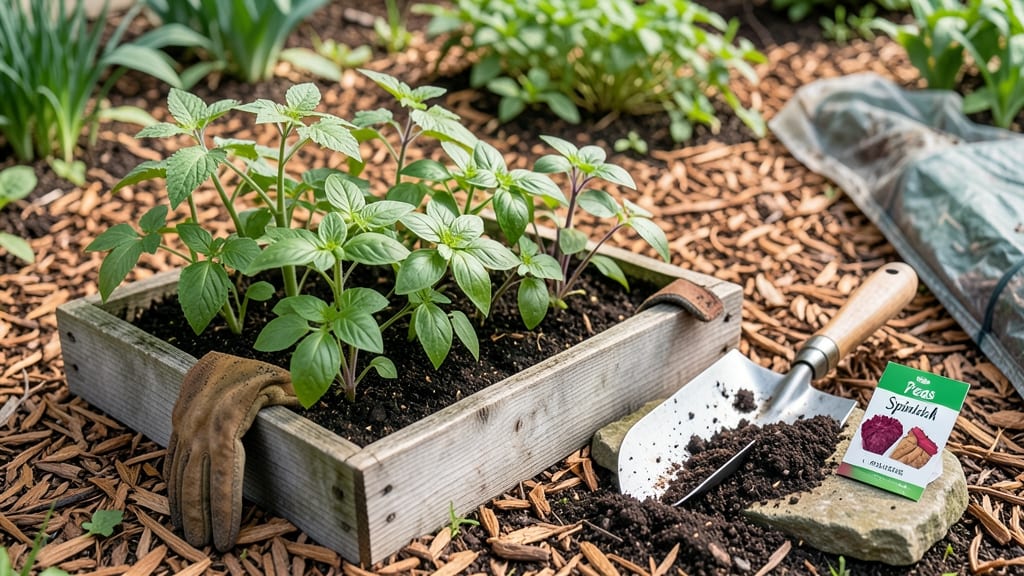
Planting your garden in Michigan depends on knowing your last-frost dates — because timing is everything for a successful harvest.
Michigan gardeners know timing is everything—plant too early and frost will wipe out your hard work, but wait too long and you’ll miss peak harvests.
Whether you’re growing tomatoes in Detroit or herbs in Traverse City, understanding the average last-frost dates by crop type is the key to avoiding wasted effort.
Cool-season crops like spinach and peas can handle a light frost, while warm-season favorites like tomatoes and peppers need the soil to stay warm for weeks. The difference between a thriving garden and a failed one often comes down to planting just a few days too soon or too late.
Below, I break down Michigan’s frost-free windows by region, share soil-warming tricks to extend your season, and reveal the most common planting mistakes that even experienced gardeners make. Let’s get your garden off to the right start!
Michigan last-frost dates by region: when to plant cool vs. warm-season crops
Michigan's last-frost dates vary dramatically across its three main regions, creating a challenge for gardeners who want to maximize their growing season.
The Upper Peninsula typically sees its last frost around May 20-30, while the Northern Lower Peninsula averages May 10-20, and Southern Michigan often warms up by May 1-15.
These dates mark the transition from planting cool-season crops like spinach and peas to warm-season favorites such as tomatoes and peppers.
Understanding these regional differences is crucial because planting too early in colder areas can result in frost damage, while waiting too long in warmer southern regions may lead to bolting or poor yields. For example, broccoli and kale thrive in cooler temperatures, while cucumbers and eggplants need consistent warmth.
Historical data from Michigan State University Extension shows that these dates can shift by up to two weeks depending on microclimates, like urban heat islands or lakeside cooling effects.
Here’s a quick reference for Michigan’s last-frost dates by region, along with ideal planting windows for both cool-season and warm-season crops:
For cool-season crops, the goal is to sow seeds or transplant seedlings 4-6 weeks before the last expected frost.
In the Upper Peninsula, this means starting peas and spinach as early as late March under row covers, while in Southern Michigan, you can begin planting by mid-March. These crops tolerate light frosts, but a hard freeze (28°F or below) can damage or kill them.
Use frost cloth or straw mulch to protect tender seedlings if late frosts are forecasted.
Warm-season crops, on the other hand, require consistent soil temperatures above 50°F and air temperatures above 60°F. In the Upper Peninsula, wait until after Memorial Day to plant tomatoes and peppers, while gardeners in Southern Michigan can start as early as late April for heat-loving varieties.
Soil thermometers are invaluable here—planting too soon in cold soil can stunt growth or invite disease. For peppers, which are particularly sensitive, wait until the soil is at least 65°F.
Microclimates play a huge role in Michigan gardening. Urban areas like Detroit and Grand Rapids often experience urban heat islands, where last-frost dates can arrive 1-2 weeks earlier than rural areas. Conversely, lakeside communities like Traverse City may see delayed warming due to lake breezes.
To account for this, I always check local weather stations and historical frost data from the Midwestern Regional Climate Center before finalizing my planting schedule.
Another pro tip: Succession planting is your best friend in Michigan’s short growing season. For example, sow a second batch of bush beans every 2 weeks from late May through June to ensure a continuous harvest.
Similarly, leaf lettuce can be planted in late summer for a fall harvest, even after the last frost date has passed. This strategy maximizes your garden’s productivity and reduces waste.
If you’re unsure about your local last-frost date, consider using Michigan State University’s Garden Guide or the National Oceanic and Atmospheric Administration (NOAA) frost prediction maps. These resources provide historical averages and real-time updates to help you make informed decisions.
Remember, even if the calendar says it’s spring, frost can linger—always have a backup plan, like row covers or a cold frame, ready to go.
Finally, don’t forget that soil temperature is just as critical as air temperature. Use a soil thermometer to confirm that your soil
How to extend your Michigan gardening season: frost-protection tips and tricks
Michigan’s short growing season doesn’t mean you’re stuck with a limited harvest. With the right frost-protection strategies, you can push your planting dates earlier by 2-4 weeks or extend your fall harvests well into October or November.
I’ve tested these methods in my own garden and seen tomatoes thriving in May and kale lasting until Christmas—here’s how you can too.
The key is combining physical barriers, soil warming, and smart planting schedules. Michigan’s climate varies dramatically—from the Upper Peninsula’s late springs to Southern Michigan’s earlier last frosts—so I’ll focus on universal solutions that work statewide.
Whether you’re growing cool-season greens or heat-loving peppers, these tricks will give you that extra edge.
🌱 5 Proven Ways to Extend Your Michigan Growing Season
- 1. Use row covers – Lightweight floating row covers raise soil temps by 5-8°F and protect seedlings from light frosts (28°F). Try them on spinach, lettuce, and radishes in early April for a jumpstart.
- 2. Build a cold frame – A simple Plexiglas-covered box can extend your season by 4-6 weeks in both spring and fall. Place it over herbs, greens, and carrots to keep soil temps 10°F warmer than ambient air.
- 3. Try black plastic mulch – Laying black plastic on garden beds in late March warms soil faster than bare earth, letting you plant tomatoes and peppers 2 weeks earlier. Remove it once plants are established.
- 4. Plant heat-loving crops – Choose fast-maturing varieties like ‘Early Girl’ tomatoes (55 days) or ‘Sweet Banana’ peppers (60 days)—they’ll outpace frost before slower growers.
- 5. Succession plant every 2 weeks – Instead of one big planting, sow lettuce, bush beans, or radishes every 10-14 days from April to July for a continuous harvest. This works even in Zone 4!
For early spring planting, I swear by combining row covers with black plastic mulch. Start with the plastic 2 weeks before your last frost date, then add covers when seedlings emerge.
This combo lets me plant cabbage and broccoli in early April—sometimes even 3 weeks before the official date.
Don’t overlook fall extensions either. A simple hoop house with row covers can keep kale, Swiss chard, and carrots growing until late November. Just remove covers during the day for ventilation and secure them tightly at night. I’ve harvested fresh salad greens in December using this method!
Pro tip: Pair these tricks with Michigan State University’s frost forecasts (available via their Enviro-weather tool) for real-time adjustments. And remember—soil temperature matters more than air temperature. Use a soil thermometer to confirm 50°F+ for cool crops and 60°F+ for warm crops before planting.
With these strategies, you’ll turn Michigan’s short season into a long harvest. Start small—try one method this year, then expand next season. Your future self (and your dinner table) will thank you! 🌿