
Blooming
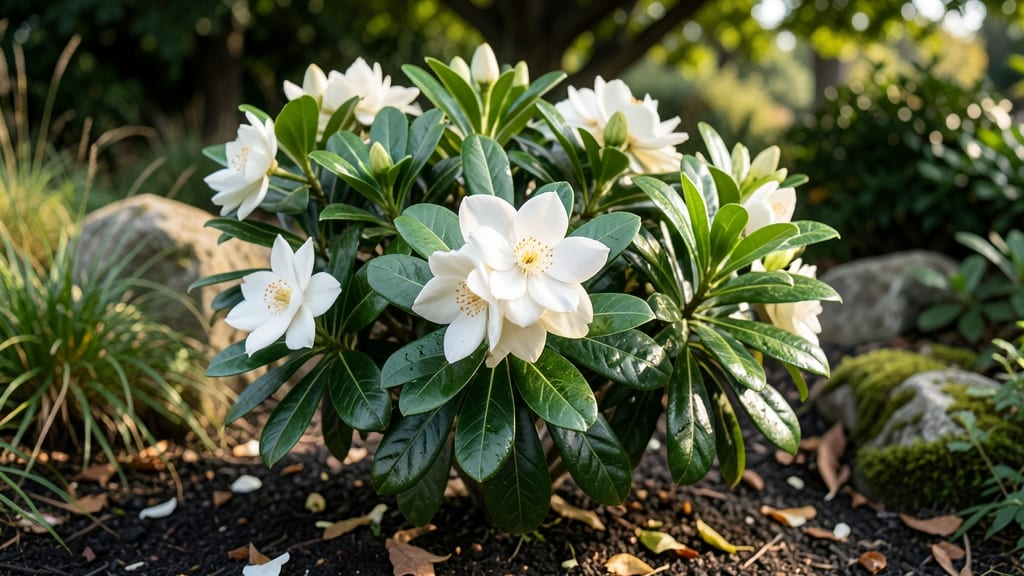
Gardenia blooms in Zone 9 typically arrive between late winter and early spring, with some varieties stretching into summer—think February through May, though timing shifts with care and variety.
If you’ve ever wondered why your gardenias in Zone 9 seem to bloom late—or not at all—you’re not alone. These fragrant favorites thrive in warm climates, but their timing depends on variety, care, and even subtle environmental triggers.
Zone 9’s mild winters and long growing season create the perfect stage for gardenias, but without the right conditions, blooms can be sparse or delayed. The key? Understanding how temperature, daylight, and humidity interact to trigger those iconic white 🌸 flowers.
Here’s what you’ll discover: the exact bloom windows for popular varieties, how to nudge flowers earlier or later, and the simple care tweaks that keep your gardenias flowering like clockwork year after year.
Gardenia bloom timeline in Zone 9: month-by-month breakdown by variety
Zone 9 gardenias follow a predictable winter bloom cycle that starts in late fall and peaks through early spring. Unlike tropical varieties, these cold-hardy shrubs rely on cooler temperatures and shorter daylight hours to trigger flowering.
Coastal areas may bloom 2-3 weeks earlier than inland regions due to milder winters and higher humidity.
The three most popular Zone 9 varieties—'Kleim’s Hardy,' 'Radicans,' and 'Veitchii'—each have distinct bloom windows shaped by their genetic origins. For example, 'Kleim’s Hardy' (a hybrid) blooms slightly later than the native 'Radicans,' while 'Veitchii' often produces a second flush in late spring if conditions are right.
Humidity plays a crucial role: Coastal Zone 9a gardenias (e.g., San Diego) may start blooming as early as October when humidity rises above 60%, while inland Zone 9b plants (e.g., Phoenix) typically wait until November when nighttime temps drop below 65°F.
🌸
| Variety | Primary Bloom Window | Coastal Adjustment | Inland Adjustment | Second Flush Potential |
|---|---|---|---|---|
| 'Kleim’s Hardy' | December–February | November–January | January–March | Rare (late spring if pruned) |
| 'Radicans' | November–January | October–December | December–February | Moderate (April–May) |
| 'Veitchii' | January–March | December–February | February–April | High (June–July) |
For 'Kleim’s Hardy' gardenias, the bloom cycle begins in December when daytime highs average 70°F and nighttime lows drop to 55°F. Inland growers should monitor soil temperature—roots need to cool below 68°F to initiate buds.
Coastal gardeners often see buds form as early as late November thanks to marine layer influence.
🌿
'Radicans' varieties are the earliest bloomers, with October–December windows in coastal microclimates. These native California gardenias respond to increased rainfall and foggy mornings, which boost humidity to 70%+—ideal for bud development. Inland plants may need manual misting to mimic these conditions if humidity drops below 50%.
'Veitchii' gardenias follow a delayed but extended schedule, often blooming from January–March with a surprising second flush in late spring if pruned correctly. This variety thrives on temperature swings—cool nights followed by warm days trigger both primary and secondary blooms.
🌡️
Zone 9 gardeners can accelerate blooming by creating microclimates. For example, placing 'Kleim’s Hardy' near a west-facing wall captures afternoon warmth while shielding from harsh sun. Conversely, east-facing exposures work better for 'Radicans' to prevent leaf scorch during their early bloom phase.
💧
Watering strategies also impact timing: Deep watering every 5–7 days during bud formation (October–December) ensures consistent moisture without over-saturating roots. Avoid overhead watering after 4 PM to prevent fungal issues that can delay blooms by 2–3 weeks.
🌱
5 Proven tricks to trigger earlier (or later) blooms in Zone 9 gardenias
Zone 9 gardenias love warmth but need precise timing cues to bloom. The key lies in understanding their natural triggers—daylight hours, temperature shifts, and nutrient balance. With these 5 simple tricks, you can coax flowers weeks earlier or delay them for a stunning summer display.
Most gardenias in Zone 9 bloom from late winter to early spring, but varieties like ‘Kleim’s Hardy’ can stretch into summer. The secret? Mimicking their native tropical rhythms with strategic care adjustments that align with your desired bloom window.
For earlier blooms, start with a late-winter pruning to remove old wood. This sends energy to fresh growth, which blooms faster. Pair it with a high-phosphorus fertilizer—the P in NPK—because phosphorus directly fuels flower production.
To delay blooms, shift your care routine to summer. Increase watering to keep roots cool, and avoid heavy pruning. A balanced NPK fertilizer (like 10-10-10) encourages leafy growth over flowers, pushing blooms into fall.
Zone 9’s mild winters mean gardenias can bloom almost year-round with the right care. Use these tricks to align their natural cycles with your garden’s needs—whether you want spring fragrance or summer surprises. 🌸