Blooming
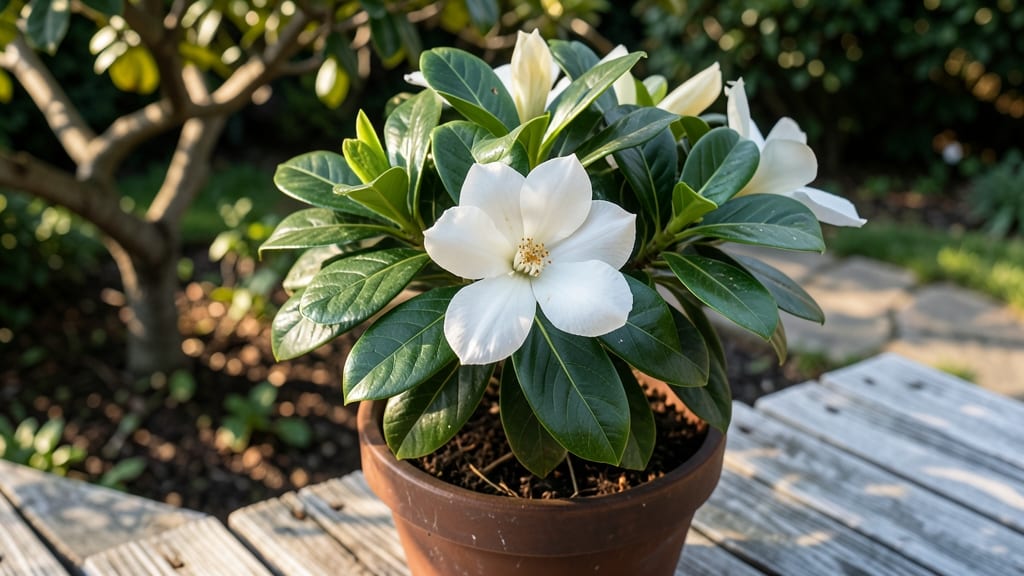
Gardenia flowers bloom between late spring and summer 🌸, but the exact timing depends on your variety and climate zone — and missing the window can mean waiting another year for those fragrant blooms.
Picture this: you’ve nurtured your gardenia for months, only to wake up one June morning and realize the buds never opened. That’s the heartbreak of not knowing when your specific gardenia will flower — and how to adjust care to bring it forward.
From the creamy-white blooms of G. jasminoides in June to the later flush of G. radicans in August, each variety has its own schedule. Throw in the fact that coastal gardenias often bloom earlier than inland ones, and you’ve got a puzzle even experienced gardeners can’t always crack.
Here’s what you’ll discover: the precise blooming windows for your region, how to spot when your gardenia is ready to flower, and the simple tweaks that can extend the season by weeks — or even months.
Gardenia flowering seasons by variety: what to expect each month
If you’ve ever wondered when do gardenias flower, the answer depends entirely on the variety you’re growing. Most gardenias bloom in late spring to summer, but some varieties stretch their show into early fall.
The timing also shifts based on your USDA hardiness zone—coastal areas may see blooms earlier, while inland regions might delay until summer’s peak.
For example, G. jasminoides, the most common gardenia, typically bursts into bloom from June to August in Zones 7–10. Meanwhile, G. augusta (the large-flowered variety) often starts as early as May and can continue through September in warmer climates.
Understanding these nuances helps you plan pruning, fertilizing, and even indoor lighting for container-grown plants.
Most gardenias follow a spring-to-summer blooming pattern, but G. augusta often starts earlier and may rebloom in fall if conditions are ideal. In Zone 7 or cooler, expect blooms to shift later—sometimes as late as July or August—due to slower spring warming.
If you’re growing gardenias in containers, move them outdoors after last frost date to trigger bud formation.
Humidity plays a key role in bloom timing. Gardenias native to tropical regions (like G. jasminoides) may bloom 2–4 weeks earlier in coastal areas with high humidity compared to drier inland zones.
For example, a gardenia in San Diego (Zone 10) might start flowering in May, while one in Austin (Zone 8b) could wait until June.
Pruning also influences when your gardenia flowers. If you prune after blooming (typically in late summer), you encourage new growth that will produce buds for next year’s flowers.
However, pruning too late in the season (after September) can delay or reduce blooms, as the plant focuses on root establishment instead.
For container gardenias, timing is critical. If you bring potted plants indoors before the first frost, they’ll often rebloom in winter under grow lights—just mimic their outdoor summer conditions with high humidity (60%+) and bright indirect light.
This trick works best with G. jasminoides and G. augusta, which are more adaptable to indoor environments.
One common mistake gardeners make is assuming all garden
How climate zones shift gardenia blooming times: a state-by-state guide
If you’ve ever wondered why your gardenia blooms arrive earlier in Florida than in Georgia, the answer lies in climate zones. Gardenias thrive in USDA Zones 7–10, but their flowering windows shift dramatically depending on whether you’re near the coast or inland.
Coastal areas often enjoy extended bloom seasons thanks to milder winters, while inland regions may see delayed or shorter displays. Understanding these patterns helps you adjust care and expectations for your plants.
In Zone 10 (e.g., Southern California, Florida), gardenias may bloom as early as February and continue through October, while Zone 7 gardeners (like those in North Carolina) typically see flowers from June to August.
The difference? Coastal humidity and warmth in Zone 10 create ideal conditions year-round, whereas Zone 7’s cooler winters force dormancy. Let’s break down how to align your care with your local climate for the best blooms.
For gardeners in cooler zones (Zone 7–8), forcing blooms requires a few tricks. Start by choosing hardy varieties like ‘Kleim’s Hardy’, which tolerates brief cold snaps. In early spring, apply a slow-release acidic fertilizer (like an azalea mix) to stimulate growth.
If your gardenia skips blooming, check for over-fertilization with nitrogen, which promotes leaves over flowers. Instead, opt for a phosphorus-rich feed in late winter to encourage bud formation.
In warmer zones (Zone 9–10), the challenge shifts to preventing heat stress during summer. Provide afternoon shade with a lightweight shade cloth (30–50%) to protect blooms from fading. Coastal gardeners should also watch for salt spray damage if planted near oceanfront properties—rinse leaves monthly with fresh water.
Potted gardenias in these zones benefit from regular root checks to avoid waterlogging, which can stunt flowering.
No matter your zone, timing is everything. Prune your gardenia right after flowering to shape the plant and encourage next year’s buds. In Zone 7–8, this means pruning in September, while Zone 9–10 gardeners can prune as late as November.
Always use sterilized shears to prevent disease spread, and never cut into old wood—this reduces future bloom potential. With these zone-specific adjustments, you’ll turn your gardenia into a fragrant showstopper year after year.
🌸