Planting
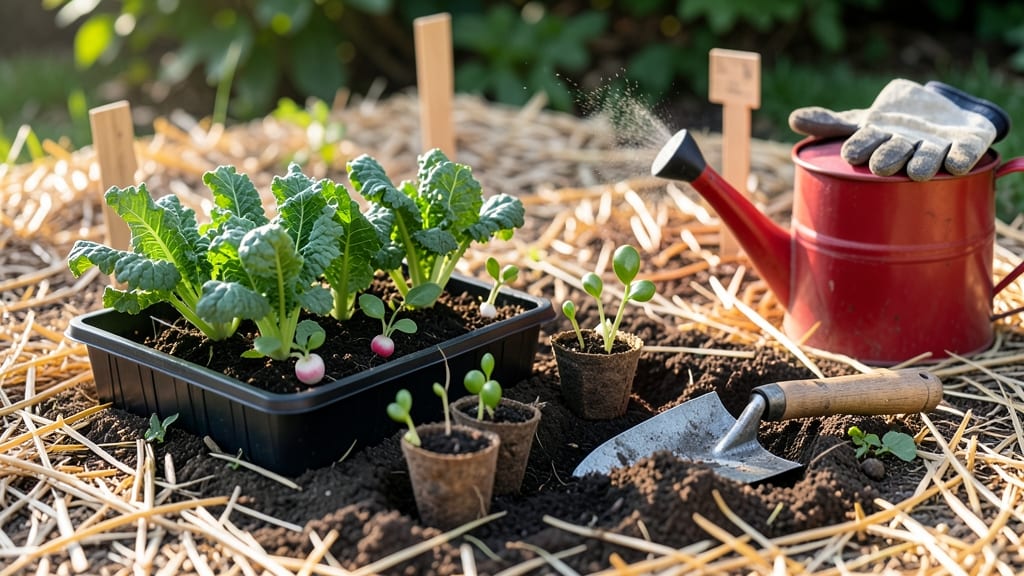
Planting a fall garden in Texas means starting 6-8 weeks before your first frost—a window that shifts wildly from the Panhandle to South Texas.
Texas gardeners know timing is everything—plant too early, and your fall crops bolt in the heat; too late, and frost ruins your harvest. But with Texas' diverse climates, the perfect planting window varies dramatically from the Panhandle to South Texas.
In Zone 8a-10b, that means August through October for most cool-season crops like lettuce, broccoli, and spinach 🥕, but the exact dates depend on whether you're battling early frosts in the Hill Country or waiting for cooler temps in the Rio Grande Valley.
Below, I break down the regional frost dates, the best crops for each area, and how to stretch your harvest until December—without losing everything to a surprise cold snap.
Texas fall planting timeline by region: frost dates & safe planting windows
Texas' vast size means your fall planting schedule depends entirely on where you live. In the Panhandle, you might face frost by mid-November, while South Texas gardeners rarely see frost at all.
Understanding your last frost date and first frost date is critical—cool-season crops like broccoli and spinach need 6-8 weeks to mature before temperatures drop.
For most Texans, the ideal planting window starts in late summer (August) and stretches into early fall (October). But timing varies by USDA hardiness zone—gardeners in Zone 7a (Panhandle) should plant earlier than those in Zone 10a (South Texas).
Below, I’ve broken down the safe planting windows by region, using USDA frost data to help you avoid common mistakes like heat stress or premature bolting.
Pro Tip: Always check your local Cooperative Extension Service for the most precise frost dates—microclimates (like urban heat islands) can shift your planting window by weeks.
If you’re in the Panhandle or North Texas, start your cool-season crops by mid-August to ensure they mature before frost. For Central Texas, you’ve got a slightly later window—aim for late August to early October.
Meanwhile, South Texas gardeners can push their luck until November, thanks to milder winters. West Texas falls somewhere in between, with a tighter window due to earlier frosts.
For heat-sensitive crops like lettuce or spinach, I recommend sowing seeds indoors in late July and transplanting seedlings once soil temperatures drop below 85°F. This two-step approach helps avoid bolting (when plants flower prematurely due to heat stress).
Use shade cloth for the first few weeks to protect young seedlings from intense Texas sun.
Common Mistake: Many gardeners in Zone 9-10 assume they can plant anytime, but even South Texas sees occasional light freezes. Always have row covers or cold frames ready to protect tender crops like kale or brussels sprouts.
To extend your harvest season, try succession planting—sow small batches of radishes or lettuce every
Best fall vegetables for Texas gardens: heat-tolerant vs. cool-season crops
Texas' fall garden success hinges on choosing the right crops for your region's lingering summer heat or crisp autumn air. Heat-tolerant varieties like okra and malabar spinach thrive when temperatures stay above 80°F, while cool-season favorites such as kale and carrots prefer 60-70°F days.
The key is matching your planting timeline to your USDA zone—North Texas gardeners have 6-8 weeks before frost, while South Texas may never see it!
For heat-tolerant crops, focus on varieties that handle 90°F+ days without bolting. These include sweet potatoes, collard greens, and black-eyed peas. They’re perfect for late summer planting (August-September) in zones 9a-10b, where frost is rare.
Meanwhile, cool-season crops like broccoli, cabbage, and turnips need to be sown 6-8 weeks before first frost—typically late August to early October in North Texas.
🌱 Planting depth and spacing are critical in Texas' heavy clay soils. For example, okra seeds need 1-inch depth and 18-inch spacing, while carrots require ½-inch depth in loose, rocky-free soil with 2-inch spacing. Always amend your beds with compost to improve drainage—Texas soil can bake hard under summer sun.
🌿 Texas Fall Vegetable Comparison
| Crop Type | Best Varieties | Planting Depth | Spacing | Days to Harvest | Heat Tolerance |
|---|---|---|---|---|---|
| Heat-Tolerant | Okra ('Clemson Spineless'), Malabar Spinach, Sweet Potatoes ('Beauregard') | 1 inch | 12-18 inches | 50-90 days | 90°F+ |
| Cool-Season | Kale ('Winterbor'), Carrots ('Danvers'), Broccoli ('Waltham') | ½ inch | 2-4 inches | 30-70 days | 60-70°F |
| Transplant | Cabbage ('Golden Acre'), Lettuce ('Black Seeded Simpson') | N/A (transplant) | 12-18 inches | 45-60 days | 65-75°F |
⚠️ Note: Adjust planting times 2 weeks earlier in North Texas zones (8a-9a).
My top 3 heat-tolerant picks for Texas fall gardens are okra, southern peas, and collard greens. Okra, for instance, produces pods even when temps flirt with 100°F, while collards sweeten under cooler nights—a perfect combo for late-season harvests.
For cool-season crops, prioritize fast-maturing varieties like 'Early Wonder' broccoli (ready in 45 days) to beat frost in North Texas.
Don’t overlook succession planting for fall crops. Sow lettuce or radishes every 2 weeks from August through September to ensure a steady harvest. In South Texas, you can even plant spinach in October for a winter crop, thanks to milder temperatures.
Just remember: water deeply 2-3 times per week during establishment, then taper to 1 inch per week once roots are established.
Pro tip: Use row covers or shade cloth for cool-season crops in late summer to protect seedlings from heat stress. This buys you 2-3 extra weeks of planting time in zones 8a-9a. Pair this with mulching to retain soil moisture—critical in Texas' dry fall air.
Start with 2-3 varieties of each type (heat-tolerant and cool-season) to test what thrives in your microclimate. Keep notes on bolting times, pest pressure, and harvest yields—your future garden will thank you! 🌱