Picking
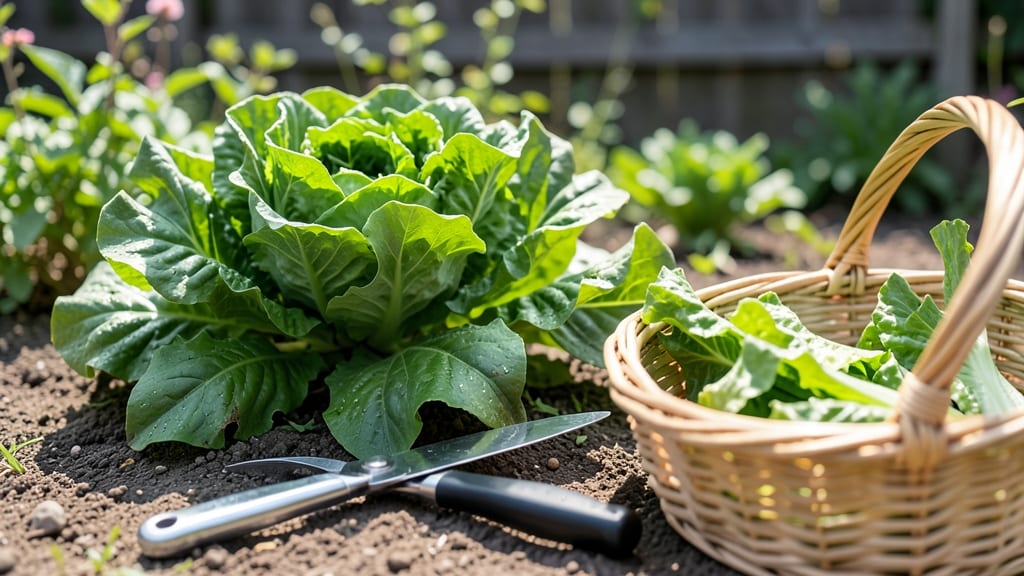
Garden lettuce is ready to pick when leaves reach 4-6 inches and heads feel firm to the touch — timing this right makes all the difference between crisp, sweet bites and bitter disappointment.
Picture this: you’ve nurtured your 🥬 all spring, watching it grow from tiny sprouts to lush greens, only to pull a head that’s either too small or already bolting. That’s why knowing the exact cues—color, size, and texture—is the key to harvesting at peak flavor.
Most varieties mature in 30-60 days, but waiting too long turns tender leaves tough and bitter. The trick? Snip outer leaves first to encourage regrowth, or harvest whole heads when they’re tightly packed and vibrant. Miss these signs, and you’ll sacrifice both taste and future yields.
Below, I’ll walk you through the 3 visual cues that guarantee a perfect harvest every time, plus whether to cut or pull for the best results. No guesswork—just crisp, flavorful lettuce straight from your garden.


3 Visual cues to identify perfectly ripe garden lettuce
Knowing exactly when to harvest your garden lettuce can mean the difference between a crisp, flavorful salad and a bitter, wilted disappointment. Many gardeners make the mistake of waiting too long, which leads to tough leaves or bolting—when the plant sends up a flower stalk.
The key is to watch for these three visual cues that signal peak ripeness: leaf color, size, and firmness. Mastering these will help you enjoy the best texture and flavor while keeping your plants productive.
First, let’s address a common misconception: lettuce doesn’t need to reach its maximum size to be ready. In fact, harvesting at the right time prevents the plant from becoming overmature, which often results in a bitter taste and tough texture.
The good news? Lettuce is one of the easiest crops to time perfectly because it gives clear visual signals. Once you learn to spot these cues, you’ll be harvesting like a pro in no time.
🌱 Numbered Highlights: 3 Visual Cues for Perfectly Ripe Lettuce
- 📏 Leaf Size: Outer leaves should reach 4-6 inches in length for most varieties. Butterhead types may form a tight head of 6-8 inches.
- 🎨 Color Intensity: Look for deep, consistent color (green, red, or purple depending on variety). Pale or uneven hues mean it’s not ready.
- 🤏 Firmness: Leaves should feel crisp and slightly resistant when gently squeezed. Soft or mushy leaves indicate overmaturity.
💡 Pro Tip: For leaf lettuce varieties, you can start harvesting outer leaves when they’re just 3-4 inches tall—this encourages continuous growth!
Let’s break down the first cue: leaf size. For most lettuce varieties, the outer leaves should measure between 4 and 6 inches in length. This is your green light to start harvesting.
If you’re growing butterhead or romaine, wait until the head forms tightly—typically when it reaches about 6-8 inches in diameter. The key here is consistency: all leaves should be at a similar stage of growth. If some are tiny while others are large, it’s not ready yet.
Next, pay close attention to color intensity. Ripe lettuce leaves should display a vibrant, even color—whether that’s deep green, rich red, or purple, depending on the variety. Pale or uneven coloring is a red flag that your lettuce isn’t fully mature.
For example, red leaf lettuce should have bold red veins and edges, while green varieties should be a uniform, bright green. If the color looks washed out, it’s a sign the plant needs more time—or worse, it might be struggling due to nutrient deficiencies or heat stress.
Don’t overlook the firmness test, which is often the most reliable indicator. Gently squeeze a leaf between your fingers—it should feel crisp and slightly firm, almost like the texture of a fresh celery stalk.
If the leaf feels soft or mushy, it’s past its prime and likely to be bitter or watery. On the flip side, if the leaf feels too tough, it hasn’t reached full maturity yet.
This test is especially critical for head lettuce varieties, where firmness indicates the perfect balance of tenderness and structure.
Here’s a common mistake many gardeners make: waiting until the entire plant looks perfect before harvesting. This can lead to bolting, where the lettuce sends up a flower stalk and becomes inedible.
Instead, focus on harvesting outer leaves first for loose-leaf varieties or cutting the whole head when it’s fully formed. This approach ensures you get the best flavor while allowing the plant to keep producing.
For continuous harvests, you can even snip a few outer leaves every few days once they reach the right size.
What if your lettuce starts to bolt before you’re ready to harvest? This usually happens when days get longer or temperatures rise, triggering the plant’s natural cycle. To prevent bolting, provide partial shade during hot afternoons and keep the soil consistently moist but not soggy.
If bolting does occur, you can still harvest the leaves before the flower stalk forms—they’ll be milder in flavor but still edible. Just avoid eating the bitter flower stalk itself.
For container-grown lettuce, these visual cues still apply, but you’ll need to monitor them more closely since potted plants can dry out faster. Check the leaf size and color daily, especially in hot weather.
If your container lettuce is ready but you’re not, you can slow down growth by moving it to a shadier spot or reducing water slightly. This gives you a few extra days to enjoy your harvest without rushing.
Finally, remember that harvest timing varies by variety. Leaf lettuce, like oakleaf or romaine, can be harvested multiple times by picking outer leaves. In contrast, head lettuce varieties, such as iceberg or butterhead, are best harvested all at once when fully mature.
Always refer to the seed packet instructions for specific guidance, but these three visual cues will serve as your reliable guide every time.
With these three cues—leaf size, color intensity, and firmness
How to harvest lettuce without ruining future growth
Harvesting lettuce the right way isn’t just about getting fresh greens—it’s about preserving your plant’s ability to produce more. The cutting method you choose (outer leaves vs. whole heads) directly impacts flavor, texture, and whether your lettuce will keep growing for weeks.
I’ve learned the hard way that yanking entire heads too early stunts regrowth, while waiting too long turns crisp leaves bitter. The secret? A mix of timing and technique that keeps your lettuce productive. Let’s break it down step by step.
⚠️ callout-warning ⚠️
⚠️ Critical Timing Mistake
Harvesting whole heads before they’re fully mature (tightly packed, vibrant color) triggers bolting—the plant’s way of flowering to reproduce. This makes leaves bitter and woody.
For leaf lettuce, wait until outer leaves reach 4-6 inches—this ensures regrowth stays vigorous.
For leaf lettuce varieties like romaine or butterhead, start harvesting outer leaves when they’re 4-6 inches long. Use clean, sharp scissors or pruners to snip just above a leaf node (the bump where new leaves grow). This encourages the plant to keep producing from the center.
When harvesting whole heads (like iceberg or crisphead), wait until the head is fully formed—tightly packed, firm, and vibrant in color. Cut the entire head at the base with a sharp knife, leaving the root system intact.
Most varieties will regrow 2-3 more harvests if you keep the soil moist and shaded.
Pro tip: Always harvest in the morning when leaves are crispest. Avoid pulling leaves by hand—this can damage the plant and invite pests. And never harvest more than 1/3 of the plant at once to prevent stress.
After harvesting, rinse leaves gently in cool water and store them in a plastic bag with a paper towel to absorb moisture. This keeps them fresh for up to 5-7 days in the fridge—way longer than store-bought lettuce.
With the right technique, one lettuce plant can give you continuous harvests for months. The key is balance: take enough to enjoy fresh greens, but leave enough for the plant to keep growing. Your garden—and your salads—will thank you!