Fertilization
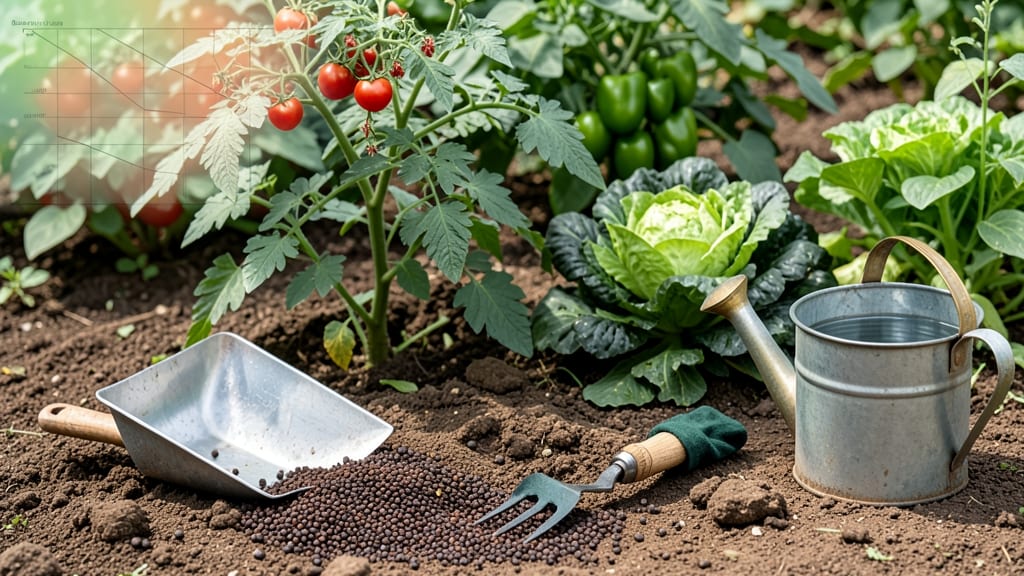
The best time to fertilize your garden is when soil temperatures hit 50°F+ for cool-season crops or 60°F+ for warm-season plants, ensuring nutrients activate without wasting resources.
Timing your garden fertilization perfectly can mean the difference between lush, thriving plants and wasted nutrients—or even plant stress. But with seasonal shifts and soil conditions constantly changing, how do you know exactly when to feed your garden for maximum zero-waste efficiency?
Most gardeners overlook the critical soil warmth test, which determines whether nutrients will be absorbed or leached away. A simple finger-push check (if soil crumbles easily, it’s ready) or a $10 thermometer can save you money and prevent over-fertilizing.
In this guide, I’ll break down the exact months to fertilize by plant type, seasonal warnings to avoid (like feeding before frost or during drought), and how to adjust for organic vs. synthetic fertilizers—so you get the best results without harming your soil.
The science-backed soil warmth test: when to fertilize for optimal plant uptake
Fertilizing your garden at the wrong time can leave nutrients sitting unused in the soil—or worse, burn delicate roots. The secret lies in soil temperature, which directly impacts how well plants absorb nutrients.
When soil is too cold, microbes that break down organic fertilizers slow down, and roots struggle to uptake synthetic nutrients. But how do you know when your soil is ready?
Most gardeners focus on air temperature, but soil warmth is the real indicator. Cool-season crops like spinach and peas can tolerate 50°F soil, while warm-season favorites like tomatoes and peppers need at least 60°F for optimal nutrient uptake.
Testing soil warmth before fertilizing ensures your plants get the most from every application.
The simplest way to test soil warmth is the finger-push test. Press your finger into the soil about 2 inches deep. If it feels cool but not freezing, your soil is likely around 50°F.
For a more precise reading, use a soil thermometer buried 6 inches deep—this mimics the depth where most plant roots absorb nutrients.
Regional timing matters too. In Zone 5 or colder, wait until after your last frost date (usually mid-May) before fertilizing warm-season crops. Meanwhile, gardeners in Zone 8+ can start fertilizing as early as February for heat-loving plants like okra or sweet potatoes.
Always adjust for your local microclimate—shady spots warm up slower than sunny beds.
Organic fertilizers like compost or worm castings work best when soil is at least 55°F, as microbes need warmth to break them down. Synthetic fertilizers can be applied slightly earlier (around 50°F), but plants won’t uptake them efficiently until soil warms further.
Pro tip: Mix organic matter into cold soil 4-6 weeks before planting to jumpstart microbial activity.
Timing isn’t just about temperature—it’s also about plant readiness. Fertilizing too early can stress seedlings, while waiting too long misses critical growth windows.
For example, broccoli needs a light feeding at planting (when soil hits 50°F), but tomatoes should get their first feed only after soil reaches 65°F and true leaves appear.
Watch for signs your plants are ready for fertilizer: vigorous new growth, deep green leaves, and active root development. If your soil feels cold or your plants look sluggish, hold off—even the best fertilizer won’t help if conditions aren’t right.
Patience here pays off with stronger, healthier plants that reward you with bigger yields.
For a zero-waste approach, pair your soil warmth test with a compost tea boost once soil hits the ideal temperature. This gives plants an immediate nutrient kick while feeding beneficial microbes long-term. Just remember: less is more—over-fertilizing warm soil can lead to nutrient burn, even with organic options.
🌱
Seasonal fertilization calendar: exact months to feed your garden by plant type
Getting your garden fertilization timing right is like hitting a moving target—soil conditions, plant types, and seasonal shifts all play a role. Organic fertilizers release nutrients slowly, so timing matters even more than with synthetic options.
My strategy? Pre-planting, early growth, and mid-season boosts tailored to each plant category. Let’s break it down by what’s growing in your beds right now.
For cool-season vegetables like lettuce, spinach, and peas, the window opens in early spring (March-April) when soil hits 50°F. Warm-season crops such as tomatoes, peppers, and basil wait until late spring (May-June) when soil warms to 60°F+.
Flowers and perennials often need a spring kickstart followed by a summer maintenance feed, while lawns thrive on a 4-step seasonal schedule.
- 1 March-April (Cool-Season Prep): Feed leafy greens and root crops with compost or balanced 10-10-10 before planting. Organic options like fish emulsion work well here.
- 2 May-June (Warm-Season Kickstart): Switch to high-phosphorus fertilizers (e.g., bone meal) for tomatoes and peppers. Apply slow-release organics like worm castings to avoid nutrient burn.
- 3 July-August (Mid-Season Boost): Flowering plants (e.g., roses, marigolds) need potassium-rich feeds like banana peel tea. Lawns benefit from monthly light applications of organic lawn fertilizer.
- 4 September-October (Fall Prep): Perennials get a low-nitrogen feed (e.g., kelp meal) to strengthen roots before winter. Avoid fertilizing dormant plants—they won’t uptake nutrients.
Lawns are unique—they need 4 distinct feedings: early spring (March), late spring (May), summer (July), and fall (September). For organic lawn care, I swear by compost tea in spring and slow-release granules in summer.
The key? Never fertilize when rain is forecasted—it washes away nutrients and harms soil microbes.
Pro tip: Test your soil in early spring to check pH and nutrient levels.
If your soil is already rich in nitrogen (like after a compost-heavy winter), skip the spring feed and focus on phosphorus and potassium for root and flower development. Over-fertilizing is a common mistake—it leads to nutrient burn and algae growth in water features.
For container gardens, fertilize every 3-4 weeks during the growing season using a water-soluble organic like seaweed extract. Potted plants deplete nutrients faster than in-ground plants, so don’t skip the mid-season boost in July.
And remember: Less is more—organic fertilizers release slowly, so you’re better off feeding lightly and often than dumping a big dose all at once.
Your garden’s fertilization schedule doesn’t have to be complicated. Start with these seasonal milestones, adjust based on your local climate, and always water deeply after feeding to help nutrients reach the roots.
With this rhythm, you’ll see healthier plants, better yields, and zero wasted fertilizer. Happy growing! 🌱