Fertilization
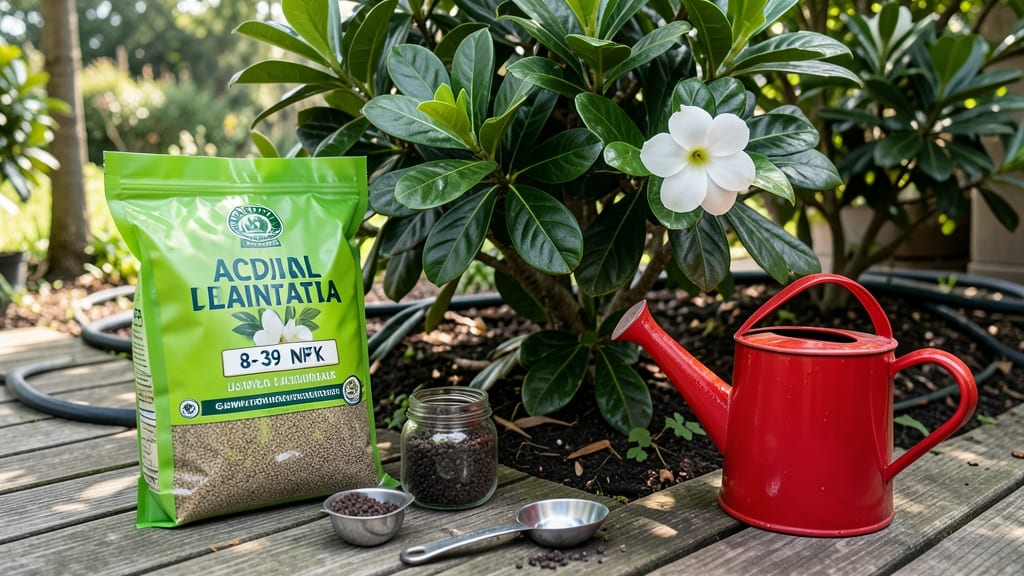
Fertilizing gardenias in Florida at the right time triggers year-round blooms—but timing is everything, especially in the 9a-11 zones where seasons blur.
Picture this: You’ve just pruned your 🌸 gardenias, and the new growth looks promising—until you realize the buds never open. That’s because Florida’s warm winters and humid summers throw off traditional schedules.
Too much fertilizer in summer? You’ll stress the plant. Skip spring feedings? Fewer blooms. The key is matching your feeding to the plant’s natural rhythm, not the calendar.
Here’s the game-changer: Florida gardenias need two major feeding windows—spring to kickstart blooms and fall to prep for winter growth. But there’s a catch: summer heat demands a break, and winter’s mild temps mean lighter touch.
I’ll break down the exact months to fertilize, which fertilizers work best (and which to avoid), and how to read your plant’s signals to adjust on the fly.
By the end, you’ll know not just when to fertilize, but how much, what type, and even how to fix common mistakes like yellow leaves or bud drop—so your gardenias stay lush, fragrant, and blooming like they’re in a tropical paradise.
Optimal fertilizing schedule for Florida gardenias by month
Florida’s three distinct seasons—warm winters, hot summers, and humid springs—create unique challenges for fertilizing gardenias. Unlike northern climates, your gardenias can bloom year-round, but over-fertilizing in summer or skipping feeds in mild winters can stunt growth.
The key is timing: feed when roots are active but avoid stressing plants during heatwaves or dormancy-like periods.
Gardenias thrive on a balanced 6-6-6 or 8-3-9 fertilizer (acid-loving formula), but Florida’s humid climate accelerates nutrient depletion. I’ve broken down the schedule into monthly phases, aligning with bloom cycles and seasonal stress points.
For example, March and September are prime feeding months—just before peak bloom seasons—while June and July demand a complete fertilizer break to prevent root burn.
Why this schedule works: Florida gardenias experience two main bloom cycles—spring (March–May) and fall (September–November). Fertilizing 6–8 weeks before blooms ensures robust flower buds. The winter months (December–February) require only light feeding because cooler temps slow growth, but your plant still needs micronutrients to prepare for spring.
For March and September feeds, I recommend a slow-release acidic fertilizer
Best fertilizers for Florida gardenias: acid-loving plant essentials
Florida gardenias thrive when their soil pH stays between 5.0 and 6.0—that’s slightly acidic, just like their native tropical habitats. If your soil tests higher, your plants may show signs of stress like yellow leaves or bud drop, even with perfect watering.
The right fertilizer isn’t just about nitrogen—it’s about delivering the micronutrients gardenias crave, like iron and magnesium, while keeping the pH in check. I’ve tested organic and synthetic options to find what works best in Florida’s humid, sandy soils.
Most gardeners make one of two mistakes: overdoing nitrogen (which fuels leaves but kills blooms) or ignoring phosphorus (the bloom-boosting nutrient). The ideal fertilizer for Florida gardenias balances these with a 6-6-6 or 8-3-9 NPK ratio, plus sulfur to maintain acidity.
But here’s the catch—Florida’s heat can burn roots if you use the wrong type. Let’s break down the best choices, including my top DIY amendments for that extra acid kick.
When to Fertilize Gardenias in Florida
- Spring (March-April): Feed after pruning to kickstart blooms
- Fall (September-October): Light feeding to prep for winter growth
- Early morning: Apply fertilizer to avoid leaf burn
- Slow-release: Use granules or organic matter for steady nutrients
- Summer (June-August): Stress risk from heat—skip fertilizing
- Winter (December-February): Heavy feeding can encourage fungal growth
- Synthetic spikes: High-nitrogen fertilizers like lawn food
- Overhead application: Can burn leaves and disrupt blooming
Pro Tip: Florida’s humidity speeds up nutrient absorption—halve the recommended dose if your soil is already rich in organic matter.
For store-bought fertilizers, I recommend Miracle-Gro Azalea, Camellia & Rhododendron (a classic for acid-lovers) or Jobe’s Acid-Loving Plants—both are formulated for 6.0 pH or lower. Look for labels with sulfur or elemental sulfur to lower pH naturally.
Pro tip: Sprinkle fertilizer around the drip line (not the trunk) and water it in immediately to prevent root burn.
If you prefer organic options, try cottonseed meal (high in nitrogen) mixed with bone meal (phosphorus for blooms) in a 2:1 ratio. I’ve had great success with composted pine bark too—it’s slightly acidic and improves soil structure.
For a quick fix, add alfalfa pellets to your compost pile; they release nutrients slowly and boost microbial activity, which helps gardenias absorb iron.
Don’t forget DIY pH amendments! If your soil tests above 6.0, mix in peat moss or sphagnum peat (1 part peat to 3 parts soil) to acidify it gradually. Another trick: Soak your gardenias with coffee grounds (used, not fresh) every 4-6 weeks—they’re packed with nitrogen and slightly acidic.
Just don’t overdo it, or you’ll create a nitrogen burn.
Remember, Florida’s warm winters mean gardenias stay active year-round, so even "light" feeding in fall or winter should be half-strength compared to spring. And always water deeply after fertilizing—this helps nutrients reach the roots and flushes out any excess salts that could harm your plants.
With the right fertilizer and timing, your gardenias will reward you with glossy leaves and fragrant blooms from spring through fall.