Picking
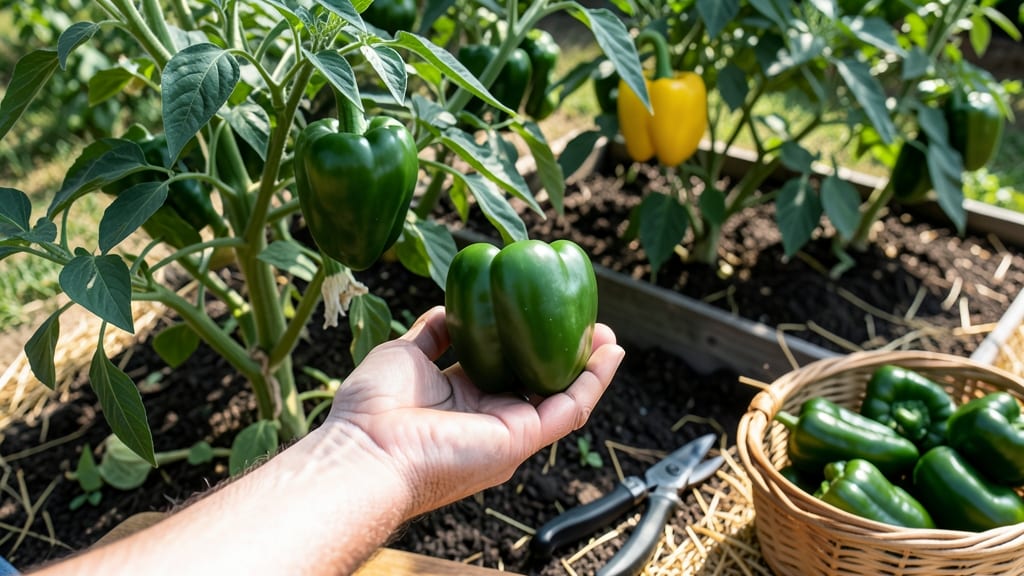
Picking bell peppers from your garden at the right time ensures sweet, vibrant flavors instead of bitter, leathery disappointments—here’s exactly when to harvest based on color and maturity.
Most gardeners wait too long, letting peppers turn rubbery or shrivel on the vine. The secret? Watch for deep, consistent color and firm skin—green, yellow, orange, or red—paired with a clean snap at the stem.
In USDA Zone 6a, your planting window runs from mid-April to early May, but timing shifts with the seasons. July through October is prime harvest time, but regional heat waves or cool snaps can speed up or slow down ripening.
Below, I break down the 5 color-coded stages of ripeness, plus pro tips to test firmness and avoid overripe mistakes—so you never miss the peak flavor window again.


5 Color-coded stages for picking bell peppers at peak ripeness
Bell peppers are one of the most rewarding vegetables to grow, but knowing when to pick bell peppers from garden can transform your harvest from bland to brilliant. Each color stage represents a unique flavor profile and texture—from crisp green to sweet red.
The key is understanding these 5 color-coded ripeness stages and how they affect your pepper's taste and shelf life.
I’ve learned the hard way that leaving peppers too long on the vine can turn sweet flavors bitter, while picking too early means missing out on peak sweetness.
Whether you’re growing green bell peppers or waiting for that vibrant red, timing is everything. Let’s break down each stage so you can harvest at the perfect moment.
| Stage | Color | Days to Ripen | Flavor Profile | Harvest Tip |
|---|---|---|---|---|
| 1 | Green | 60-75 | Mild, slightly grassy | Pick when firm and glossy |
| 2 | Yellow | 75-85 | Sweet, fruity, slightly tangy | Harvest when fully yellow |
| 3 | Orange | 80-90 | Rich, caramel-like sweetness | Check for deep orange hue |
| 4 | Red | 85-100+ | Deepest sweetness, slightly earthy | Wait for vibrant red color |
| 5 | Purple | 90-110 | Complex, slightly smoky | Harvest when fully purple |
The first stage is green bell peppers, which are typically harvested 60-75 days after transplanting. These peppers are crisp and mild, perfect for stuffing or grilling. Many gardeners pick them green to avoid overripening, but they’ll continue ripening indoors if stored properly.
The key here is to check for firmness and glossy skin—if they feel soft or wrinkled, they’ve passed their prime.
Next comes the yellow bell pepper stage, which appears around 75-85 days. These peppers develop a sweeter, almost tropical flavor with a hint of tanginess. I’ve noticed that yellow peppers often ripen faster in warmer climates, so keep an eye on them during heatwaves.
Their skin should be fully yellow and slightly thicker than the green stage, indicating they’re ready for harvest.
For those who love a caramel-like sweetness, the orange bell pepper stage is a game-changer. These typically ripen between 80-90 days and have a richer flavor than their green or yellow counterparts. The color shift from yellow to orange is subtle, so I recommend checking peppers every few days.
Overripe orange peppers can turn red, so timing is crucial for capturing that perfect balance of sweetness and texture.
The red bell pepper stage is often the most anticipated, as it marks the peak of sweetness and flavor development. These peppers take 85-100+ days to ripen, depending on the variety and growing conditions. Red peppers are perfect for roasting or eating raw, thanks to their deep, complex flavor.
To test readiness, gently press the pepper—it should feel firm and resist slight pressure. If it yields easily, it’s overripe.
Finally, purple bell peppers offer a unique, slightly smoky flavor and take the longest to ripen, often 90-110 days. These are my personal favorite for adding depth to dishes like stir-fries or salads.
Purple peppers can be tricky because their color fades when cooked, so harvest them when they’re fully deep purple. Like red peppers, they should be firm and glossy, with no signs of wrinkling or soft spots.
Each color stage offers a different culinary experience, so don’t rush the ripening process if you’re after that perfect flavor. For example, green bell peppers are great for quick meals, while red or purple peppers shine in dishes where you want to highlight their natural sweetness.
Experiment with harvesting at different stages to discover your favorite flavors!
Pro tip: If you’re growing multiple varieties, keep a small harvest journal to track ripening times. Note the days to maturity for each color stage in your specific climate—this will help you plan future plantings and ensure you’re always harvesting at peak ripeness. Happy gardening!
How to test ripeness beyond color: 3 pro tips for gardeners
Color is your first clue, but true ripeness requires checking three key factors: size, firmness, and stem separation. I’ve learned the hard way that relying only on color leads to either underripe peppers (too firm, bland) or overripe ones (leathery, bitter).
Let’s fix that with these pro tips.
Start by comparing your pepper’s size to its variety’s mature dimensions. For example, a standard bell pepper should be about 3–4 inches long. If it’s smaller, it’s not ready—even if the color looks deep. Smaller peppers lack the sweetness and crisp texture you want.
Next, test firmness with a gentle thumb press. A ripe bell pepper’s skin should feel tight and glossy, resisting slight pressure. If it dents easily or feels wrinkled, it’s past its prime. Overripe peppers lose moisture quickly, turning rubbery and losing flavor.
Stem separation is the final check: grasp the pepper’s stem and give it a slight twist. If it snaps cleanly at the base, it’s ready to pick. A stubborn stem means it’s not fully mature yet—wait a few days and try again.
- 1. Size Check: Measure against your variety’s mature size (e.g., 3–4 inches for standard types). Use a ruler if unsure—peppers won’t grow larger once fully ripe.
- 2. Firmness Test: Press gently—ripe peppers feel firm and glossy. Soft spots mean it’s overripe. Avoid wrinkled skin like the plague!
- 3. Stem Twist: Twist the stem—it should snap cleanly. No snap? Wait 2–3 days. A stubborn stem wastes your harvest window.
Avoid these common mistakes that sabotage your harvest: picking peppers too early for storage (they won’t ripen off the vine) or waiting until they’re wrinkled or dull. I once left a batch until they turned yellowish-green—big mistake! They tasted bitter and mealy.
Pro tip: Harvest in the morning when peppers are cool and crisp. Use clean, sharp pruning shears or scissors to avoid damaging the plant. Leave a small stem attached to extend shelf life by a few days.
Now you’re ready to pick peppers at their peak—sweet, crisp, and vibrant. Happy harvesting! Don’t forget to check back for tips on storing your harvest for maximum freshness. 🌶️