Picking
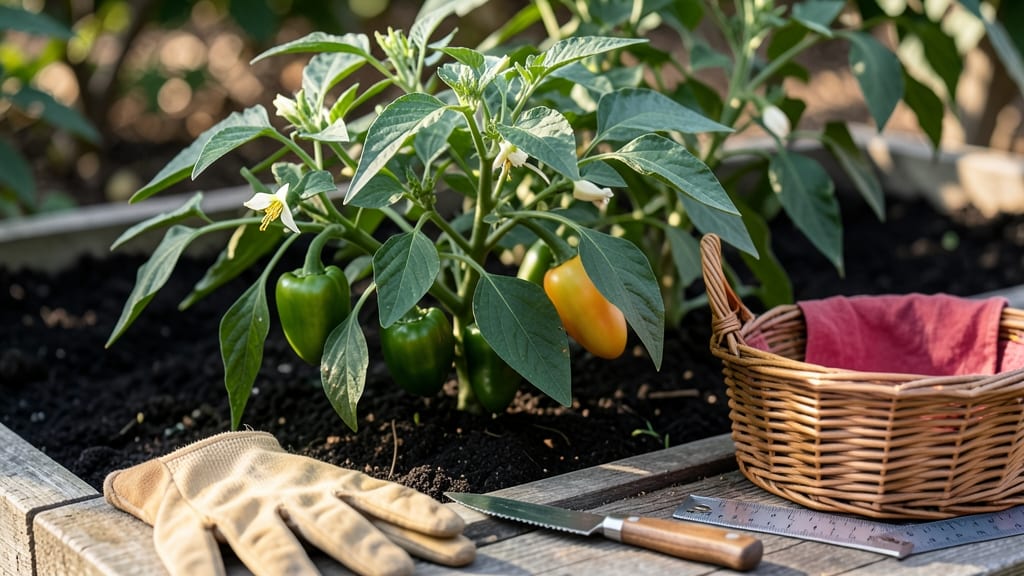
Knowing when to pick jalapeños from the garden means the difference between mild, rubbery peppers and bold, fiery heat that’ll make your dishes sing 🌶️.
Ever pulled one off the vine only to bite into a bland, watery mess? Or worse, waited too long and ended up with a shriveled, overripe pepper that’s all skin and no flavor?
The secret lies in those color-coded stages—green, light green, and red—each with its own heat profile and perfect harvest window.
In this guide, I’ll walk you through exactly when to pick your jalapeños based on size, firmness, and color, plus how climate (cooler vs. warmer zones) shifts those timelines. You’ll also learn the one simple touch test that guarantees peak ripeness every time.
By the end, you’ll know not just when to harvest, but why timing matters—and how to stretch your harvest for weeks of fresh, homegrown heat.


3 Color-coded stages for harvesting jalapeños (with heat & flavor impact)
Harvesting jalapeños at the right stage transforms them from bland garden snacks to bold, flavor-packed peppers with the perfect balance of heat. The color of your jalapeños isn’t just for show—it’s a heat and flavor roadmap that tells you exactly when to pick for the best results.
I’ve grown jalapeños for years, and I can confidently say that timing is everything when it comes to maximizing their fiery potential.
Most gardeners make the mistake of waiting too long for full red ripeness, which can actually dilute the heat and alter the flavor. Instead, jalapeños shine at three distinct color stages, each offering a unique heat profile and culinary use.
Understanding these stages lets you harvest on demand, whether you need mild green peppers for cooking or intense red jalapeños for spicy salsas. Let’s break down each stage with heat levels, flavor notes, and exact harvest cues.
| Stage | Color | Heat Level (Scoville) | Flavor Profile | Harvest Time | Best For |
|---|---|---|---|---|---|
| Stage 1 | Deep Green | 2,500-8,000 SHU | Grassy, fresh, mild | 60-70 days | Stuffing, grilling, pickling |
| Stage 2 | Light Green | 3,500-10,000 SHU | Balanced, slightly sweet | 70-80 days | Salsas, sauces, roasting |
| Stage 3 | Red | 2,500-8,000 SHU | Fruity, smoky, intense | 80-90 days | Hot sauces, drying, spice blends |
The first stage—deep green jalapeños—is where most home gardeners start harvesting. These peppers pack a grassy, fresh flavor with a heat level around 2,500 to 8,000 Scoville Heat Units (SHU). They’re perfect for stuffing, grilling, or pickling because their heat is mild yet noticeable.
I always harvest mine at this stage if I’m planning to use them in dishes where I want to control the spice level. The key is to pick them when they’re 3 to 5 inches long and still firm to the touch.
As jalapeños transition to light green, their heat increases slightly to 3,500 to 10,000 SHU, and their flavor becomes more balanced and slightly sweet. This is my favorite stage for salsas and sauces because the heat is more pronounced without being overwhelming.
The light green color appears when the pepper’s skin starts to soften slightly and the stem end turns yellowish. If you’re growing jalapeños in a warmer climate, this stage happens faster—sometimes in as little as 70 days after transplanting.
Finally, when jalapeños turn bright red, they undergo a flavor transformation, becoming fruity and smoky with a heat level that drops back to 2,500 to 8,000 SHU. This stage is ideal for hot sauces, drying, or spice blends because the flavor is more complex.
However, many gardeners avoid this stage because the heat isn’t as intense as expected. The red color signals that the pepper is fully mature, and the skin will feel slightly softer and waxier than earlier stages.
If you’re growing jalapeños in a cooler climate, they may take up to 90 days to reach this stage.
One common mistake I see is assuming that red jalapeños are always spicier. In reality, their heat often declines slightly as they ripen, while their flavor deepens. To test ripeness at home, I use the "thumb press test": gently press the pepper with your thumb.
If it yields slightly but doesn’t dent deeply, it’s ready to harvest. For green or light green peppers, the skin should feel firm but not rock-hard. Always harvest by twisting the pepper off the stem
How to test jalapeño ripeness beyond color (touch, size, and stem clues)
While jalapeño color is the first clue, the real secrets to perfect ripeness hide in size benchmarks and touch tests that reveal flavor and heat potential. I’ve learned that even deep green peppers can be underripe if they fail these simple checks—so don’t rely on color alone!
Start with the size rule: ideal jalapeños should measure between 3 to 5 inches in length. Anything smaller lacks full flavor development, while oversized peppers often become tough and woody.
My pro tip? Use a ruler or your thumb as a guide—most mature jalapeños fit comfortably between your thumb and index finger when pinched.
Next, test stem separation by gently twisting the pepper at its base. If it snaps cleanly (not pulls away), it’s ready to harvest. This trick works even for green or red varieties, as the stem’s readiness signals internal ripeness. I’ve missed harvests by ignoring this step—don’t make the same mistake!
- 1. Size Test: 3–5 inches long (use thumb as guide)
- 2. Firmness Test: Skin yields slightly to gentle thumb pressure
- 3. Stem Snap: Twists off cleanly at base (no pulling)
- 4. Color Confirm: Deep green (green) or red (mature) with no pale spots
For firmness testing, press your thumb gently into the pepper’s skin. A ripe jalapeño should yield slightly but not dent deeply—this indicates proper moisture and texture.
Overripe peppers feel mushy, while underripe ones resist pressure like a stress ball. I test 2–3 peppers per plant to ensure consistency in ripeness.
Climate matters too! In cooler zones (USDA 6a and below), jalapeños may take 10–14 extra days to reach peak ripeness due to slower metabolism. Watch for morning dew on peppers—a sign they’re hydrated and ready. In warmer climates, harvest in the early morning to avoid heat stress.
Finally, pay attention to the stem end color. A ripe jalapeño’s stem base turns yellowish (not green) as sugars develop. This is your final green light—ignore it, and you risk peppers that taste bland or overly spicy. Pro move: Harvest these first for the freshest flavor in your dishes!
Master these tests, and you’ll never second-guess your jalapeño harvest again. Happy growing—your taste buds will thank you! 🌱