Picking
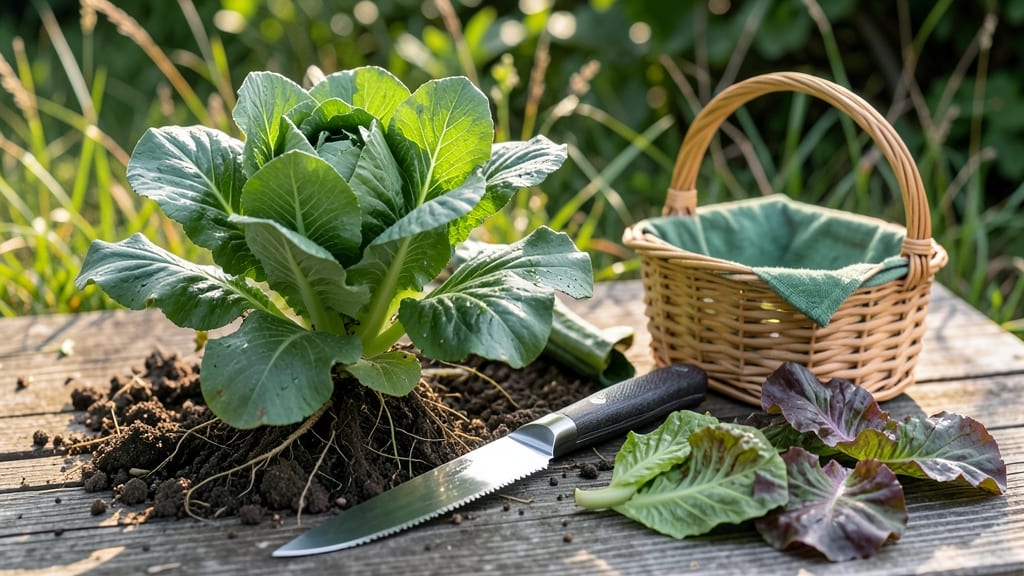
You should pick lettuce from your garden when the outer leaves reach 4–6 inches and feel crisp to the touch, or you risk bitter, tough greens that ruin salads.
Harvesting too early means sacrificing flavor, while waiting too long turns your crisp 🥬 into a sad, wilted mess. But the right timing—based on leaf size, texture, and even color—can transform your garden into a salad bar.
Spring lettuce in Zone 6a is ready by May–June, while fall crops hit peak flavor in September–October. The key is checking for firmness and vibrant hues before the heat triggers bolting.
Below, I’ll show you exactly how to spot perfect lettuce, when to snip for regrowth, and how to store it so it stays crunchy for days—not just hours.


3 Visual cues to pick lettuce at peak freshness (avoid bitter taste)
Picking lettuce at the right moment transforms your garden harvest from mildly edible to crisp, sweet perfection. The difference between a tender salad and bitter disappointment often comes down to three simple visual cues.
Ignoring these signs can trigger bolting—when your lettuce suddenly shoots up flower stalks, ruining its flavor forever.
Science explains why these cues matter: Lettuce accumulates sugars and moisture during its final growth stages. When you pick at the wrong time, you miss the peak sweetness window—usually just 3-5 days before bolting begins.
Even worse, overripe lettuce develops nitrate compounds that taste bitter, no matter how much you wash it.
Here’s how to spot the perfect moment using just your eyes and fingers—no fancy tools required. These three indicators work for all lettuce varieties, from butterhead to romaine, ensuring you never waste another harvest.
🌱 Numbered Highlights: When to Pick Lettuce
- 1. Leaf Size: Aim for 4-6 inch leaves (palm-sized). Smaller leaves mean underripe flavor, while larger ones signal overmaturity and bitterness.
- 2. Stem Color: Check the inner stem—it should be white or pale green. Yellowing or brown stems mean stress or decay, while dark green stems indicate full maturity.
- 3. Head Firmness: Gently squeeze the outer leaves. They should feel crisp and slightly resistant, like a fresh store-bought head. Soft or floppy leaves mean wilting, while rock-hard leaves signal overgrowth.
Pro Tip: For loose-leaf varieties, harvest outer leaves first—this lets the plant keep growing for weeks! For head lettuce, cut the entire head 1 inch above the base when all cues align.
Let’s break down each cue with real-world examples. For instance, romaine lettuce often reaches peak crispness when its leaves are 6-8 inches tall and form a tight, upright head. In contrast, butterhead varieties are ready when their leaves cup gently around the center, even if they’re slightly smaller.
The stem color is your secret weapon against bitterness. A white core means the lettuce is still storing starches that convert to sugars during ripening. If the core turns yellow or brown, the plant is either stressed (from heat or drought) or rotting (from overwatering).
Always inspect the innermost leaves first—they’re the last to show signs of trouble.
Don’t underestimate the power of a simple firmness test. Press a leaf between your thumb and forefinger—it should spring back slightly but not feel rubbery. If it collapses under pressure, your lettuce is overwatered or bolting.
On the flip side, if the leaves feel too stiff, the plant may be drought-stressed, which also triggers bitterness. The Goldilocks zone is that just-right crispness.
Timing matters too—morning harvests are ideal because lettuce is coolest and crispest after a night’s rest. Avoid picking in the midday heat, when leaves wilt and lose moisture.
Pro growers swear by the “finger test”: If a leaf bends but doesn’t break when folded, it’s ready. If it snaps easily, it’s past its prime.
What if your lettuce starts to bolt (sending up a tall flower stalk)? Don’t panic—you can still salvage it! Harvest the outer leaves immediately and use them in cooked dishes (like soups or stir-fries), where bitterness is less noticeable.
Bolted lettuce loses its raw-eating quality, but it’s not a total loss. Prevention is key: shade cloth and consistent watering delay bolting by weeks.
For continuous harvests, use the “cut-and-come-again” method. Snip off just the outer leaves when they reach 3-4 inches, leaving the inner growth point intact. This trick works for loose-leaf varieties like arugula or oakleaf, letting you enjoy fresh lettuce for 6-8 weeks from a single planting.
Remember: The sweet spot for lettuce is 30-45 days after transplanting (or 50-60 days from seed). After that, flavor declines rapidly. By mastering these three visual cues, you’ll turn your garden into a crisp, bitter-free salad factory—no grocery store required.
Lettuce variety harvest guide: when to pick loose-leaf vs. head types
Not all lettuce varieties mature at the same time, and picking them at the wrong stage can turn your crisp 🥬 into tough, bitter greens. Loose-leaf types like Buttercrunch and Oakleaf can be harvested as soon as they reach 3–4 inches, while head varieties like Iceberg or Romaine need tighter timing to form their signature shapes.
Missing the window means wasted effort—especially in Zone 6a where spring and fall harvests are critical.
For continuous harvests, I’ve found that cutting outer leaves first extends the season by 2–3 weeks for loose-leaf types. But head lettuce demands precision: pick too early, and you get small, loose heads; too late, and the core bolts.
The key is checking leaf firmness, color vibrancy, and head tightness—each variety has its own cues.
| Variety | Days to Maturity | Harvest Window | Key Readiness Cues | Harvest Method |
|---|---|---|---|---|
| Loose-Leaf (e.g., Buttercrunch, Oakleaf) | 30–45 days | Every 7–10 days (cut outer leaves) | Leaves 3–4" long, crisp, deep color | Snip individual leaves with scissors |
| Butterhead (e.g., Bibb, Boston) | 45–60 days | Single harvest at peak | Heads 4–6" wide, soft but firm, buttery texture | Cut entire head 1" above base |
| Romaine (e.g., Cos, Parris Island) | 50–60 days | Single harvest or cut-and-come-again | Tight 6–8" heads, upright growth, deep green | Cut 1" above base or harvest outer leaves |
| Iceberg (e.g., Crisphead) | 70–80 days | Single harvest only | Firm 8–10" heads, pale green, no yellowing | Twist or cut entire head at base |
My go-to trick for loose-leaf varieties is to start harvesting when leaves hit 3 inches—this prevents bolting and gives you continuous greens for salads. For head lettuce, I wait until the entire head is firm and the outer leaves are fully curled.
For example, Romaine should stand upright like a 6-inch spear before picking, while Iceberg needs that classic crisp, pale green dome.
Timing matters even more in Zone 6a where summer heat triggers bolting. If your lettuce starts sending up flower stalks, it’s past its prime—bolted lettuce tastes bitter and woody.
To avoid this, I always plant successive crops every 2 weeks in spring and fall, ensuring a steady supply without risking bolting.
For extended harvests, I’ve had success with cut-and-come-again methods for loose-leaf and Romaine. Simply snip the outer leaves and leave the inner core intact—this regrowth can last 3–4 weeks longer than a single harvest.
Just avoid cutting more than 1/3 of the plant at once, or you’ll stunt regrowth.
Pro tip: Always harvest in the morning when lettuce is cool and crisp. This preserves texture and flavor—plus, it’s less stressful on the plant. Store harvested lettuce in the fridge with a paper towel to absorb moisture and keep it fresh for up to 5–7 days.