
Picking
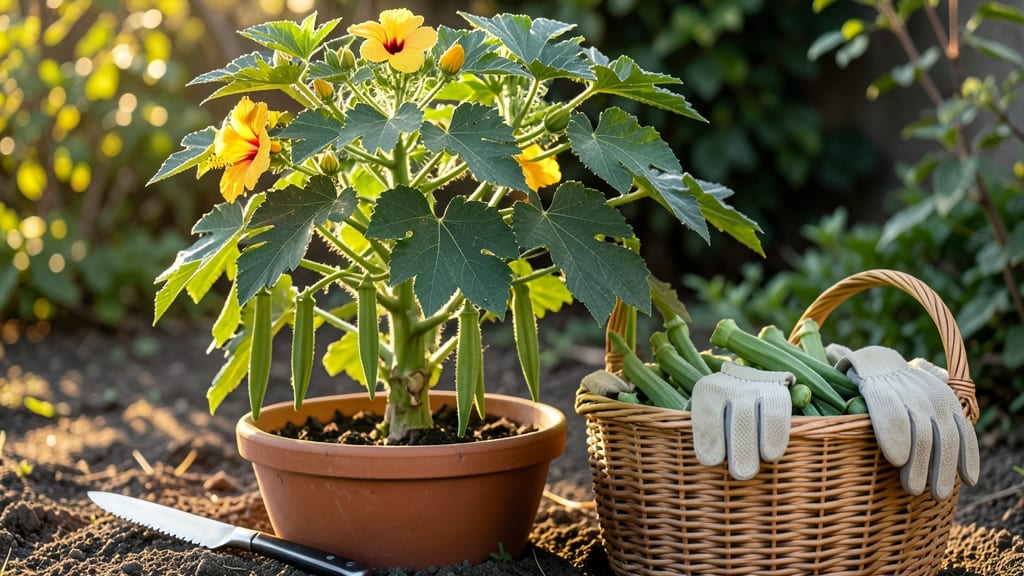
To pick okra from the garden at the perfect time, watch for pods that are 2–3 inches long and still tender—this is when they’re at their sweetest and most flavorful.
Picture this: you’ve been eagerly waiting for your okra 🌱 to mature, only to snap a pod that’s tough as a board. That’s the moment you realize timing is everything, and the difference between a delightful harvest and a bitter disappointment.
Okra grows quickly, but its window for peak tenderness is narrow. Harvest too early, and you’ll miss out on flavor; wait too long, and you’re left with seedy, fibrous pods that even a good recipe can’t save.
The key is learning those subtle cues—like the slight give when you press a pod or the way the seeds just begin to show.
In this guide, I’ll break down the 3 visual signs your okra is ready, how often to pick for maximum yield, and the common mistakes that turn a great harvest into a garden flop. Let’s make sure your okra pods are always at their best!


3 Visual signs your okra pods are perfectly ripe for picking
Harvesting okra at the right moment transforms your garden into a delicious bounty instead of a tough, seedy disappointment. The key lies in recognizing three visual cues that signal peak ripeness.
Miss these signs, and you’ll end up with pods that are either too small or overly fibrous—neither of which is ideal for cooking or preserving.
Okra plants produce pods rapidly, so checking them every 2-3 days ensures you catch them at their prime. The ideal harvest window is narrow—just a few days—so timing matters more than you might think.
Let’s break down exactly what to look for when inspecting those deep green (or purple) pods hanging from your plants.
🌱 Numbered Highlights: When to Pick Okra Pods
- Pod Length: 2-3 inches is the sweet spot—any shorter means underripe, and longer means tough, seedy pods.
- Skin Texture: Should be smooth and slightly firm but yield gently when pinched (like a ripe cucumber).
- Seed Visibility: Look for tiny, soft seeds inside—if seeds are hardened or visible through thick skin, the pod is overripe.
First on your list is pod length, which is the most straightforward indicator. When okra pods reach 2-3 inches long, they’re ready to harvest. This size ensures the pods are tender enough to slice for stir-fries or gumbo without that unpleasant crunchy texture.
If you wait until pods are longer than 4 inches, the seeds inside will have fully developed, and the walls will thicken—making them less enjoyable to eat.
Next, pay attention to the skin texture of the pod. At peak ripeness, the skin should feel smooth and firm to the touch but still give slightly when you gently press it. Think of it like testing a ripe avocado—just enough yield to know it’s ready.
If the skin feels woody or tough, you’ve missed your window. This texture change happens quickly, so don’t hesitate once you spot these signs.
The third clue is often overlooked but critical: seed development. Inside a perfectly ripe okra pod, you’ll see small, soft seeds that are barely visible through the skin. If the seeds are hardened or clearly visible as dark specks, the pod has passed its prime.
Overripe okra isn’t inedible, but it loses its tender, mild flavor and becomes more fibrous—a common mistake even experienced gardeners make when they’re not checking pods frequently enough.
Color can also hint at ripeness, though it varies by okra variety. Most common types like 'Clemson Spineless' or 'Emerald' turn a deep, glossy green when ready. Some heirloom varieties, like 'Burgundy', develop a purplish hue at maturity.
Regardless of color, the key is consistency—if the pod’s color is uniform and vibrant, it’s likely ready for harvest.
Here’s a pro tip: Harvest in the morning when pods are cool and crisp. This is when their texture and flavor are at their best. Avoid picking after a hot day, as the pods can become soggy or wilted from heat stress.
Always use a sharp pair of pruning shears or a knife to cut pods cleanly—never pull them off by hand, as this can damage the plant.
One final warning: Don’t let pods linger on the plant beyond their prime. Overripe okra not only loses its tenderness but also attracts pests like aphids or spider mites. These pests thrive on stressed plants, so keeping up with harvests helps maintain your okra’s health and productivity.
With these visual cues in mind, you’ll never second-guess whether your okra is ready again!
Okra harvesting frequency: how often to pick for maximum yield
Harvesting okra at the right frequency is the secret to a continuous bounty. When you pick pods regularly—every 2-3 days—you encourage your okra plants to produce more tender pods instead of letting them mature into tough, seedy monsters.
Think of it like pruning: the more you harvest, the more your plant rewards you with fresh growth.
Okra thrives on attention, and skipping harvests can actually reduce production. Plants focus energy on developing seeds when pods aren't removed promptly. For maximum yield, aim to harvest 3-4 times per week during peak growing months (typically June through August in most climates).
This keeps your plants productive and prevents overcrowding of pods.
Here's where timing matters most: Morning harvests are ideal because okra pods are firmest after a cool night. Check your plants first thing—this also helps avoid the afternoon heat, which can stress your okra.
Pro tip: Use clean pruning shears or a sharp knife to avoid damaging stems, which can invite pests.
Seasonal adjustments are key to okra success. In hot climates, okra grows faster and may need daily checking during peak summer months. Conversely, in cooler regions, harvest every 3-4 days to match the slower growth rate.
Always prioritize consistency over frequency—better to check daily and miss a harvest than to go weeks between pickings.
Watch your plants' signals too. If you notice new flower blooms but no pods forming, your harvest frequency might be too aggressive. Conversely, if pods are overcrowded or woody, you're harvesting too infrequently.
The sweet spot balances plant health and production—aim for 2-3 pods per harvest from each mature plant during peak season.
Don't forget that okra's growing season varies by variety. Some early-maturing types (like 'Clemson Spineless') produce for 60 days, while others (like 'Emerald') can keep yielding for 120 days.
Plan your harvest schedule around your specific variety's peak production window—this ensures you're always picking at the optimal stage throughout the season.
With these strategies, you'll transform your okra patch into a pod-producing powerhouse. The more consistently you harvest, the more your plants will reward you with fresh, tender okra all season long—no tough pods in sight! 🌿