
Picking
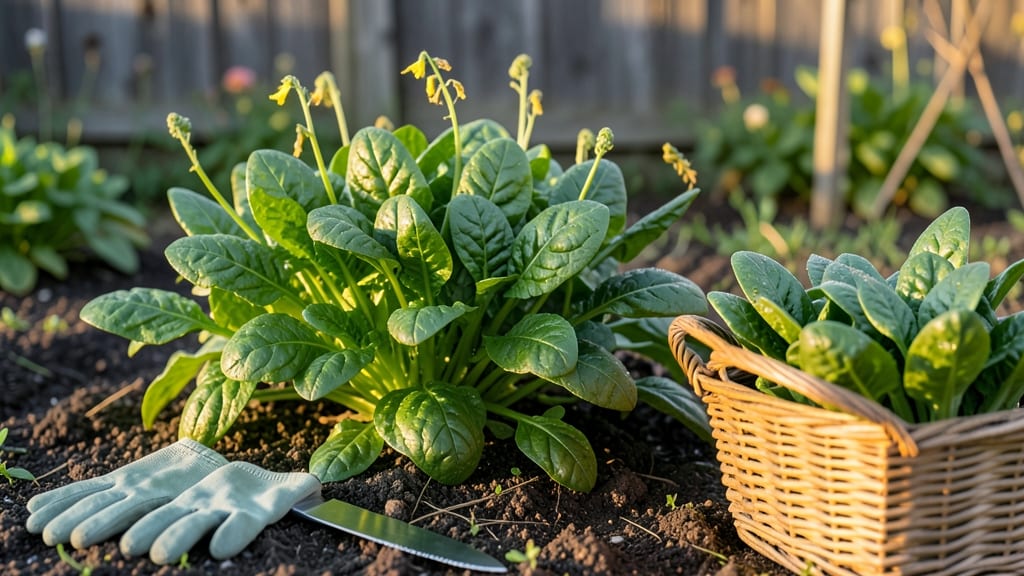
Picking spinach from your garden at the right time means tender, flavorful leaves—before they bolt or turn tough.
Ever pulled a leaf just to find it bitter or stringy? That’s a classic sign you waited too long. The secret is knowing when the outer leaves reach 4-6 inches and shift from deep green to a vibrant yellow-green hue.
In Zone 6a, spring plantings are ready by late May, while fall harvests peak in October. But don’t rely on the calendar—use the stem snap test for foolproof results.
Below, I’ll walk you through the exact visual cues, best harvesting times, and how to keep your spinach 🌱 producing all season long.


How to identify spinach ready for harvest using leaf color and size
Harvesting spinach at the perfect moment transforms your garden into a flavor factory. The key lies in understanding leaf color shifts and ideal leaf size, which directly impact tenderness and taste.
When you spot deep green leaves reaching 4-6 inches long, that’s your cue to grab your shears—before the plant decides to bolt and go to seed.
Baby spinach lovers rejoice: you can harvest those tiny, 1-2 inch leaves as soon as they’re 3-4 weeks old. These delicate leaves pack maximum flavor with minimal texture.
But for full-size spinach, wait until the outer leaves are fully formed and the plant has developed a compact rosette shape. This ensures both size and flavor perfection.
Here’s the color spectrum to watch for: start with dark green leaves, then progress to a vibrant yellow-green hue. Avoid harvesting when leaves turn yellow or pale, as this signals stress—likely from overheating, drought, or nutrient deficiency. A crisp, slightly waxy leaf surface also confirms readiness.
| Stage | Leaf Size | Leaf Color | Texture | Harvest Time |
|---|---|---|---|---|
| Baby Spinach | 1-2 inches | Bright green | Tender, soft | 3-4 weeks |
| Mature Spinach | 4-6 inches | Deep green/yellow-green | Crisp, slightly waxy | 6-8 weeks |
| Overmature | >6 inches | Yellow, pale | Tough, bitter | Avoid |
For baby spinach varieties like 'Baby’s Leaf Hybrid' or 'Tiny Baby Spinach', the rules are slightly relaxed. These types mature faster and can be harvested when leaves reach 2-3 inches.
Their delicate stems and smaller rosettes make them ideal for quick cuts, but don’t wait too long—they’ll bolt faster than full-size varieties.
If your spinach leaves are pale or yellowing, don’t panic—it’s often fixable. Check for nutrient deficiencies (like nitrogen) or poor soil drainage. A quick fix is to add compost or balanced fertilizer and ensure consistent moisture.
Avoid harvesting until leaves regain their vibrant green color, as stressed plants produce bitter flavors.
Pro tip: Use a hand lens or magnifying glass to inspect leaf edges for tiny white flowers. If you spot them, your spinach is bolting—time to harvest everything immediately! Bolting turns leaves bitter and stringy, so act fast to salvage what you can.
For continuous harvests, cut the outer leaves first, leaving the inner leaves to grow. This method keeps your spinach producing for weeks longer while maintaining tenderness. Just avoid cutting more than one-third of the plant at a time to prevent stress.
Remember, seasonal variations affect timing. Spring spinach often matures faster in cool temperatures (50-65°F), while fall spinach may take longer in warmer climates. Always adjust based on your local last frost date and weather patterns.
When in doubt, taste test a leaf! If it’s crisp, sweet, and tender, it’s ready. If it’s tough or bitter, hold off for a few more days. Your taste buds will thank you for perfect timing every time.
The stem snap test: how to test spinach toughness for perfect texture
Spinach leaves that snap cleanly at the stem are your golden ticket to tender, flavorful harvests. This simple test reveals whether your spinach is ready to eat or still needs time to mature.
The stem snap test works by gently bending the stem—if it snaps with a crisp break, the leaf is perfect for picking. If it bends without snapping, it's not ready yet.
For baby spinach varieties, aim for stems that snap with just a slight bend. Mature spinach should snap more firmly but still break cleanly. This test prevents the common mistake of harvesting leaves that are too tough or stringy.
I’ve found that testing stems in the morning gives the most accurate results, as leaves are fully hydrated after overnight water absorption.
⚠️ callout-warning ⚠️
Never remove more than one-third of the plant at once. Spinach regenerates from its center, so aggressive harvesting can stunt growth or cause the plant to bolt prematurely. Always leave the inner leaves intact to keep producing.
Signs of overharvesting: yellowing stems, stunted growth, or bitter-tasting leaves. If you see these, scale back and let your spinach recover for 2-3 weeks.
To perform the test, select a mature outer leaf (4-6 inches long) and pinch the stem between your thumb and forefinger. Apply gentle pressure—if the stem snaps cleanly, the leaf is ready.
If it bends without breaking, wait 2-3 days and test again. For baby spinach, harvest when leaves reach 2-3 inches and stems snap with minimal pressure.
Woody stems are a red flag that your spinach has matured past its prime. This often happens if you wait too long between harvests or if the plant is stressed by heat.
To prevent woody stems, harvest regularly every 7-10 days and keep the soil consistently moist. Mulching with straw can also help maintain tenderness by regulating soil temperature.
For continuous harvests, use a staggered planting strategy. Sow new seeds every 2 weeks in spring and fall to ensure a steady supply of tender spinach. This method also reduces the risk of bolting, as younger plants are less sensitive to temperature fluctuations.
Always harvest in the morning when leaves are crispest and most flavorful.
Remember, spinach’s texture changes rapidly—what’s perfect for harvest today may be tough tomorrow. By mastering the stem snap test and avoiding common pitfalls, you’ll enjoy a bountiful harvest of tender, sweet spinach all season long. Happy harvesting! 🌿