Picking
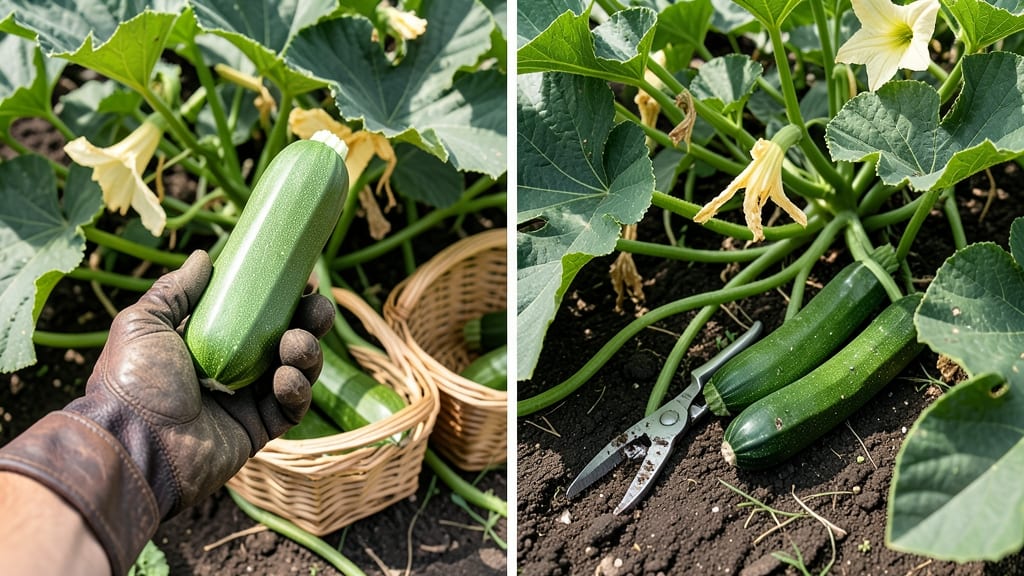
To pick zucchini from your garden at the perfect moment means catching them when they’re tender, flavorful, and just the right size—before they turn tough and gritty.
Zucchini plants can produce an overwhelming harvest—so fast that you might find yourself drowning in overgrown, tough-skinned squash before you know it. Picking at the right time ensures tender, flavorful zucchini every time, but how do you know when they're perfect?
Look for three key signs: a firm but slightly yielding skin, a deep green color without blemishes, and a length of 6-8 inches. These cues tell you the zucchini is at its peak, ready to be harvested before it becomes woody or seedy.
In this guide, I’ll walk you through the exact timing, seasonal factors, and simple tricks to keep your zucchini harvest consistent and delicious all season long.
3 Key signs your zucchini are ready for harvesting (before they turn gritty)
Zucchini plants can explode with production—one day you're admiring tiny blossoms, and the next, you're staring at a foot-long monster squash that's tough as a baseball bat. The secret to tender, flavorful zucchini lies in harvesting at the perfect moment, not a day too late.
I've learned the hard way that waiting just 24 hours past prime turns sweet squash into a gritty, seedy disappointment.
Mastering these three foolproof signs will transform your harvest from overgrown nightmares to culinary gold. Whether you're a first-time gardener or a seasoned green thumb, these visual cues will help you pick at peak ripeness every single time.
Let's dive into what your zucchini is truly telling you when it's ready.
Zucchini reach harvest readiness at 6-8 inches long—about the size of a standard baseball bat. This is when their flavor and texture peak. Smaller than 6 inches? Still too immature for best taste. Longer than 8 inches? You're in the gritty danger zone.
Press your thumbnail gently into the skin. If it leaves a slight dent but doesn't give way completely, your zucchini is perfectly ripe. Too soft? It's underripe. Too hard? It's overripe and seedy. Think of it like testing a ripe avocado—just enough give!
Gently bend the stem connecting the squash to the vine. If it snaps cleanly (not tears), your zucchini is ready to harvest. This separation indicates the plant has naturally released the fruit. If the stem resists or tears, wait another 1-2 days.
Look for a deep, matte green color with no yellowing or white streaks. Yellowing means overripeness, while pale spots indicate sun exposure issues. The skin should be smooth and consistent in color—no mottling or blemishes.
I once missed these signs and ended up with zucchini the size of baseball bats—so tough I could barely cut them with a chef's knife. The skin texture alone became a gritty challenge, and the seeds inside were as big as marbles.
That's when I learned to harvest more frequently and trust these simple cues. Now, I check my plants daily during peak season to catch them at their sweetest, most tender stage.
Pro tip: Morning harvests work best because zucchini absorb moisture overnight, making their skin slightly softer and easier to handle. Plus, you'll avoid the midday heat stress that can make them wilt or crack.
Use a sharp pruning shear or clean knife to cut the stem, leaving about 1/4 inch of stem attached to the fruit. This prevents disease entry points and keeps your plant healthy.
Don't fall for the myth that bigger zucchini are better. In reality, overgrown squash develop harder seeds, stringy flesh, and bitter flavors. The 6-8 inch window is your golden harvest zone, where every bite is sweet, tender, and packed with flavor.
Once you master these signs, you'll never again drown in a sea of giant zucchini again.
For continuous production, I've found that harvesting every 2-3 days during peak season keeps my plants focusing on new flowers rather than letting existing zucchini monopolize their energy. This encourages more blossoms, which means more harvests throughout the season.
Just remember: consistency is key—don't let your zucchini plants take a vacation while you're busy with other garden tasks.
If you're growing multiple zucchini plants, prioritize harvesting the largest or most mature ones first. This prevents uneven growth and ensures all your squash reach peak ripeness simultaneously.
I like to mark my calendar with the first frost date (usually mid-October in my zone) and harvest aggressively in the 4-6 weeks leading up to keep producing until the end of the season.
One final warning: Never harvest in the rain. Wet zucchini bruise easily and can develop rot if handled roughly. Wait until morning dew has dried or late afternoon when the fruit is firm and dry.
Store freshly harvested zucchini in the fridge crisper drawer for up to 5-7 days, or use them immediately for the best texture and flavor.
With these three key signs mastered, you'll transform from a zucchini hoarder to a harvesting pro. Soon, your neighbors will be
Zucchini harvesting mistakes that ruin your squash: what to avoid
Harvesting zucchini at the wrong time can turn your garden bounty into tough, seedy, and flavorless squash. One of the biggest mistakes is waiting too long—once zucchini exceed 8 inches, they become woody and develop large seeds, ruining their delicate texture.
On the flip side, picking zucchini too early (under 4 inches) means you miss their full flavor potential. These immature squash often lack the sweetness and firmness that makes zucchini so versatile in recipes.
Another common error is using improper harvesting techniques, like twisting the stem instead of cutting it. This can damage the plant and leave it vulnerable to disease. Always use a clean, sharp knife or pruners to snip the stem cleanly, about 1 inch above the fruit.
Overripe zucchini (beyond 8 inches) turn gritty and bitter, while underripe ones (under 4 inches) are bland. The sweet spot is 6-8 inches—firm but tender, with a deep green color. Check for stem separation: if it snaps easily, it's ready!
Ignoring the plant's growth stage is another downfall. Young zucchini plants produce fruits faster, so you may need to harvest every 2-3 days during peak production. Skipping harvests signals the plant to stop producing, leading to fewer yields later in the season.
Finally, harvesting in wet conditions can spread fungal diseases like powdery mildew. Always wait until the morning, after dew has dried, to pick your zucchini. This simple habit keeps your plants healthy and your harvests abundant.
By avoiding these common mistakes, you'll enjoy a steady supply of tender, flavorful zucchini all season long. The key is consistency—check your plants daily during peak production and act fast when you spot those perfect 6-8 inch squash! 🎃