
Planting
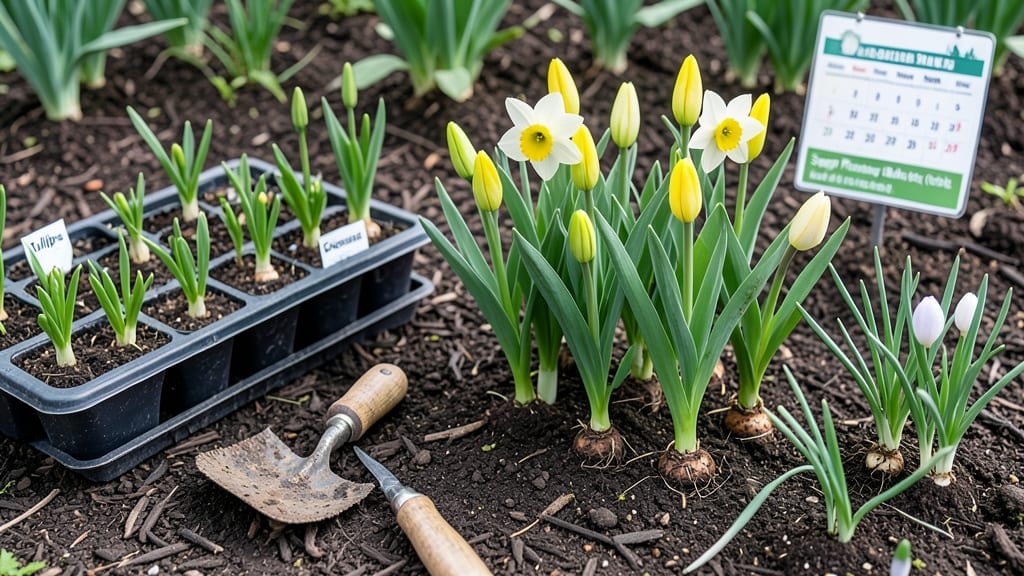
Planting a garden in Cleveland, Ohio, starts with knowing the exact frost-free deadlines that separate success from disappointment.
Cleveland’s unpredictable climate can make timing your garden planting a real challenge—get it wrong, and your hard work could freeze or bolt before harvest. But with the right frost-free deadlines, you can maximize your yield and avoid common gardening mistakes in Ohio’s Zone 6a.
Most General Garden Vegetables 🌱 thrive when planted after April 15, once soil temperatures hit 50°F, but some crops like peas and spinach can handle cooler soil. The key is balancing early starts with late frosts, which Cleveland’s lake-effect weather makes all too common.
In this guide, you’ll learn the precise planting windows for spring and fall crops, how to extend the season with row covers, and which top-performing vegetables suit Cleveland’s short but productive growing season.
Cleveland Ohio frost dates and last planting deadlines by season
Cleveland’s Zone 6a climate means we enjoy a 165-day frost-free growing season, but those dates shift slightly each year. The average last spring frost typically falls around April 15, while the first fall frost usually arrives by October 20.
However, microclimates near Lake Erie can delay frosts by 1-2 weeks in urban areas like Edgewater or Rocky River.
For cool-season crops like lettuce or peas, you can start seeds indoors in early March and transplant after your last frost. Warm-season plants such as tomatoes and peppers need soil temperatures above 50°F (10°C)—wait until May 1 to be safe.
Urban gardens near concrete or asphalt may warm faster, giving you a 2-3 day head start.
| Season | Planting Window | Key Crops | Soil Temp | Notes |
|---|---|---|---|---|
| Early Spring | March 15 - April 15 | Peas, Spinach, Kale, Onions | 40-50°F (4-10°C) | Start seeds indoors; harden off before transplanting |
| Late Spring | April 15 - May 15 | Lettuce, Carrots, Radishes, Broccoli | 50-60°F (10-15°C) | Wait for consistent soil temps; use row covers if frost threatens |
| Summer | May 15 - July 15 | Tomatoes, Peppers, Corn, Cucumbers | 60-70°F (15-21°C) | Plant after last frost; mulch to retain moisture |
| Fall | August 1 - September 15 | Kale, Brussels Sprouts, Beets, Lettuce | 50-60°F (10-15°C) | Avoid planting after September 15; use cold frames for extension |
| Late Fall | September 15 - October 10 | Garlic, Spinach, Arugula, Radishes | 40-50°F (4-10°C) | Direct sow only; protect with row covers |
Cleveland’s heat zones (6a-6b) mean some areas like Parma or Solon may experience earlier soil warming in spring, while lake-effect zones near the shore stay cooler longer. Always check the National Weather Service for weekly frost forecasts—late April can still bring surprise freezes.
For warm-season crops, mark your calendar for May 15 as the last safe planting date. Tomatoes and peppers planted after this may struggle with heat stress or bolting. Instead, opt for succession planting of bush beans or zucchini every 2 weeks through June to maximize your harvest.
Fall planting offers a second chance for cool-season crops. Start Brussels sprouts or kale by August 1 for a November harvest. Use black plastic mulch to warm soil faster and row covers to protect tender greens from early frosts.
Avoid planting after September 15—crops won’t mature before winter.
Urban gardeners should account for heat islands—concrete and pavement can raise soil temps by 5-10°F, making it safer to plant 2-3 days earlier in city centers. Test your soil with a thermometer before planting heat-loving crops like okra or sweet potatoes.
If you miss the spring window, don’t despair! Fall planting can be just as productive. Spinach and radishes thrive in cool September weather, and garlic planted in October will reward you with next year’s harvest.
Just remember: soil prep is key—amend beds in early spring or late summer for best results.
For perennials like asparagus or rhubarb, plant crowns in early spring (March-April) when soil is workable. These slow starters need 2-3 years to establish, so don’t rush—patience pays off with decades of harvests.
Pro tip: Keep a gardening journal to track your local frost dates. Over time, you’ll notice patterns—maybe your last frost always hits on Mother’s Day or your first frost arrives the week of Columbus Day. Adjust your planting schedule accordingly!
Best crops to plant in Cleveland’s spring and fall gardens
Cleveland’s short but productive growing season demands smart crop selection to maximize yields. The key is choosing cold-hardy spring crops and heat-tolerant fall varieties that thrive in Ohio’s Zone 6a climate. With average last frost dates around April 15 and first frost near October 20, timing is everything.
For spring gardens, focus on cool-season crops that tolerate light frosts, while fall plantings should prioritize fast-maturing varieties that finish before winter sets in. Succession planting—sowing seeds in 2-3 week intervals—extends harvests and makes the most of Cleveland’s limited warm season.
Don’t overlook flowers for pollinators like marigolds, zinnias, and nasturtiums, which attract bees and butterflies while adding color. Plant marigolds in early spring (March 15) and zinnias in late spring (May 1) for year-round blooms. These low-maintenance perennials also deter pests naturally.
For fall gardens, prioritize cold-hardy greens like swiss chard and arugula, which sweeten after frost. Plant these by August 1 for a late-season harvest before winter. Use row covers to extend harvests by 2-3 weeks in fall.
Pro tip: Test your soil in early spring (March) to adjust pH for acid-loving crops like blueberries or alkaline-tolerant veggies like peas. Cleveland’s clay soil benefits from compost amendments to improve drainage and fertility. Mulch heavily in fall to protect roots from temperature swings.