Planting
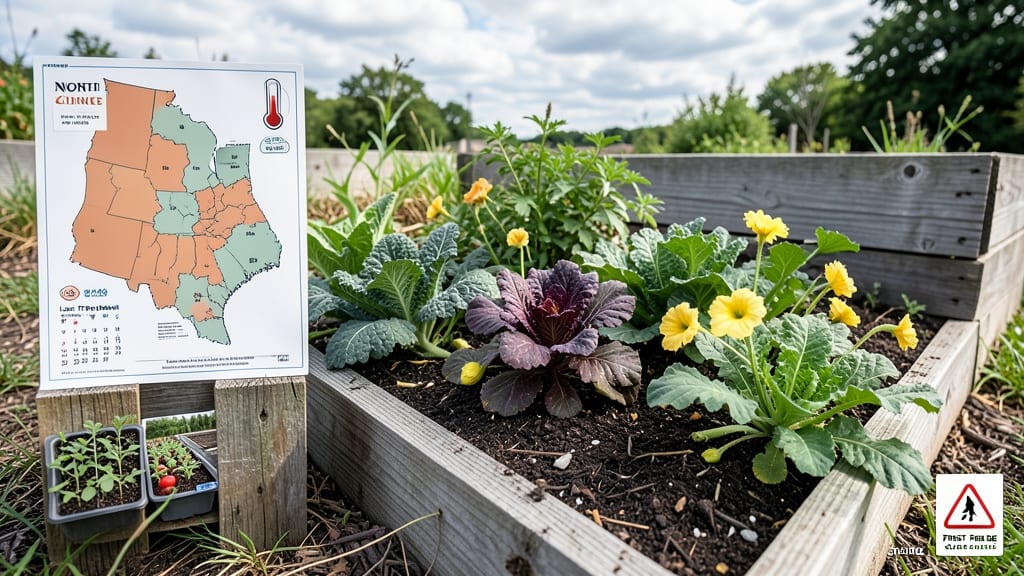
Planting a garden in North Carolina at the right time means the difference between a bountiful harvest and a sad, wilting mess—especially when frost dates vary from the coast to the mountains.
If you’ve ever rushed to plant tomatoes only to watch them turn to mush overnight, you know how critical timing is. The average last frost in Zone 6b hits around March 15, but coastal areas can be weeks ahead, while higher elevations may not thaw until April.
Getting it wrong means wasted seeds and empty beds.
This guide breaks down the exact planting windows by county, so you can align your cool-season crops (like spinach and peas) with early spring and your warm-season favorites (tomatoes, peppers) with the post-frost rush.
We’ll also cover how to adjust for microclimates—whether you’re gardening in Raleigh’s urban heat or the Appalachian chill.
By the end, you’ll know not just when to plant, but how to prep your soil, choose the right varieties, and stretch your growing season for maximum yields—no guesswork, just green thumbs.
NC frost-free dates by county: the exact timing for planting vegetables
North Carolina’s diverse climate creates wildly different planting windows—from the coastal Plain’s early springs to the mountain regions’ delayed growing seasons. Knowing your last frost date is critical, but even more important is understanding how to use these dates to time your cool-season and warm-season crops perfectly.
For example, planting tomatoes too early in the mountains risks frost damage, while coastal gardeners can start squash weeks before inland areas.
I’ve broken down the average last frost dates by county to help you plan with confidence. These dates are based on 30-year climate averages, but I’ll also share how to adjust for early/late years and microclimates.
Whether you’re growing kale in the spring or peppers in the summer, timing is everything for a bountiful harvest.
🌱
For warm-season crops like tomatoes, peppers, and squash, wait until 2-3 weeks after your county’s last frost date. These plants won’t tolerate frost, so rushing them can mean lost seedlings.
I recommend starting tomato seeds indoors 6-8 weeks before your last frost date—this gives you a head start on the growing season.
Conversely, cool-season crops like spinach, kale, and broccoli thrive in cooler weather. You can plant these 4-6 weeks before your last frost date for a spring harvest, or again in late summer for a fall crop.
In the mountains, for example, you might get two full harvests of lettuce—one in spring and one in fall—thanks to the cooler climate.
🌿
If you’re in Zone 8a (like the coastal areas), you can even plant warm-season crops like okra or sweet potatoes as early as March. But in the mountains (Zone 6b), hold off until mid-May to avoid frost.
I’ve seen gardeners in Asheville lose entire tomato plants by planting too early—don’t make that mistake!
Pro tip: Use USDA Plant Hardiness Zone maps alongside frost dates. For instance, Zone 7b (common in the Piedmont) has a longer growing season than Zone 6b, so you can push your fall planting later. Check the NC State Extension website for updated zone maps and local adjustments.
For urban gardeners, microclimates matter. A south-facing wall can warm up faster than the rest of your yard, allowing you to plant warm-season crops 1-2 weeks earlier. Conversely, shady spots or low-lying areas may frost later—
How to adjust planting times for NC’s microclimates and unexpected frost
North Carolina’s diverse microclimates can turn a simple planting plan into a high-stakes gamble. Urban areas like Charlotte trap heat, while mountain regions like Asheville face earlier frosts, and coastal zones near Wilmington enjoy warmer springs.
Even a single county can have frost-free dates varying by two weeks depending on elevation and proximity to water.
If you’ve ever planted tomatoes too early in the Piedmont only to see them killed by a surprise frost, you know how critical microclimate adjustments are. The key lies in understanding your local frost pockets, using protective covers, and selecting cold-hardy varieties that align with your zone’s quirks.
Let’s break down how to shift planting times for your specific corner of NC.
Frost Alert: NC’s Hidden Risks
Even after the official last frost date, mountain valleys (like Boone) can drop to 28°F in May, while urban heat islands (like Raleigh) may stay frost-free 10 days earlier than rural areas. Always check your microclimate’s history—not the county average—and prepare for unexpected cold snaps with row covers or cloches.
For urban gardeners, the heat island effect can push your frost-free date 2-3 weeks earlier than surrounding areas. Use this to your advantage by planting warm-season crops like peppers and eggplants 1-2 weeks sooner than the county average.
Monitor local weather stations—places like Research Triangle Park often have microclimate data available online.
Mountain regions, however, demand cautious timing. Areas above 3,000 feet (like Blowing Rock) may not be frost-free until mid-April, even if the Piedmont is ready by March 15.
Opt for cold-hardy varieties like ‘Early Girl’ tomatoes or ‘Black Krim’ tomatoes, which can tolerate light frosts if covered. Pair these with row covers or low tunnels to extend your season by 3-4 weeks.
Coastal gardeners enjoy the longest growing seasons, with Wilmington’s last frost often arriving by February 20. This means you can start warm-season crops like squash and cucumbers as early as March 1, giving you a head start on harvests.
However, hurricane risks in late summer may require protective structures like hoop houses for late-planted crops.
To extend your season in any microclimate, invest in seasonal extensions. Cold frames can add 4-6 weeks to your fall harvest, while hoop tunnels (covered with frost cloth) protect plants down to 20°F.
For early spring starts, use seedling trays under grow lights—this lets you transplant hardened-off seedlings as soon as soil is workable, even if frost lingers.
Pro tip: Keep a gardening journal for at least 3 years to track your local frost dates, heat waves, and planting successes. Over time, you’ll spot patterns that county averages miss—like that unexpected frost every Mother’s Day weekend in your neck of the woods.
With these adjustments, you’ll turn NC’s climatic chaos into your garden’s greatest advantage.