
Planting
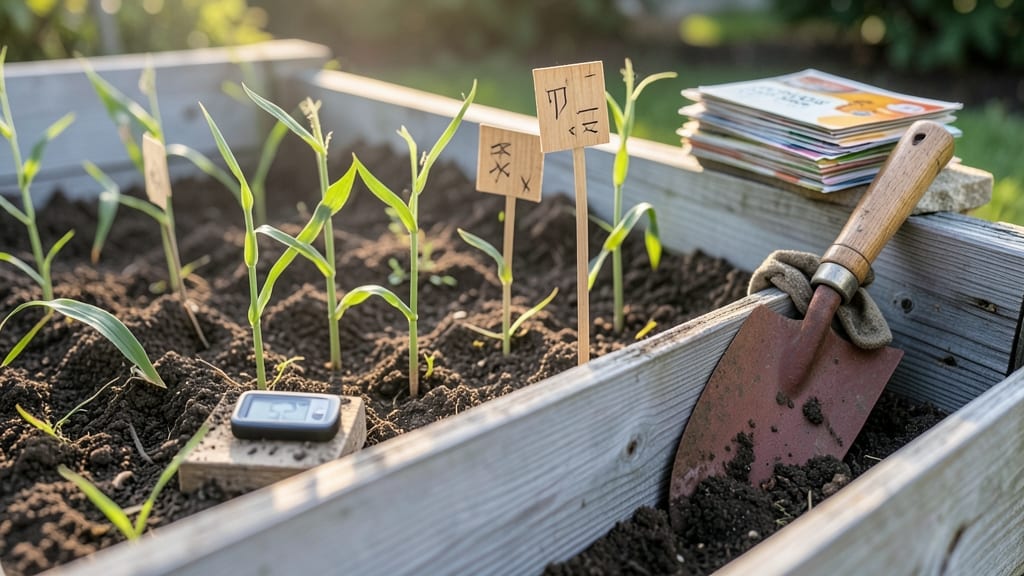
To plant a vegetable garden in Iowa, time your crops around the last frost date—typically mid-April—and adjust for your USDA Zone 5a-6b microclimates.
Iowa’s unpredictable frost dates can make or break your vegetable garden—plant too early, and your seedlings freeze; too late, and pests or heat ruin your harvest. Mastering the perfect planting window ensures a thriving garden from spring to fall.
Cool-season crops like lettuce and peas thrive when sown 4-6 weeks before the last frost, while warm-season favorites such as tomatoes and peppers need to wait until 2-4 weeks after frost risk has passed.
Below, I’ll break down the ideal schedules for each crop, plus tips to stretch your growing season.
You’ll also discover how to use row covers, choose fast-maturing varieties, and adjust for Iowa’s short 160-day frost-free window. Whether you’re a first-time gardener or a seasoned green thumb, these strategies will help you maximize your harvest.
Iowa’s frost dates by Zone: when to plant cool-season vs. warm-season vegetables
Iowa’s USDA Hardiness Zones 4a-5b create a unique challenge for gardeners, with last frost dates that can swing wildly from year to year. In Zone 4a (northern Iowa), the average last frost date is April 25, while Zone 5b (southern Iowa) typically sees frost-free conditions by April 10.
Understanding these microclimate variations helps you time your cool-season crops (like spinach and peas) and warm-season crops (like tomatoes and peppers) perfectly.
Cool-season vegetables thrive in cooler temperatures and can even survive light frosts. These include leafy greens, root vegetables, and cool-loving brassicas. In contrast, warm-season crops like tomatoes, peppers, and cucumbers need soil temperatures above 60°F to germinate and grow.
Planting them too early can stunt their growth or invite pests. By aligning your planting schedule with Iowa’s frost dates, you’ll maximize your garden’s potential.
Here’s a zone-specific breakdown of when to plant your favorite vegetables, including adjustments for early or late frost years. This ensures you’re not caught off guard by Mother Nature’s surprises.
For cool-season crops, start planting 4-6 weeks before your area’s average last frost date. In Zone 4a, this means sowing spinach and peas by March 15 to ensure they’re established before frost.
In Zone 5b, you can push it even earlier, planting lettuce and kale as early as February 15. These crops tolerate light frosts and can even bolster flavor with a touch of cold.
Warm-season crops, however, demand patience. Wait until 2-4 weeks after your last frost date to plant tomatoes, peppers, and cucumbers. In Zone 4a, this means holding off until May 15, while Zone 5b gardeners can start as early as April 15.
Use soil thermometers to confirm the ground has warmed to at least 60°F—cold soil can delay germination for weeks.
Iowa’s first frost dates typically arrive between October 10-20, giving you a 160-day growing season in most zones. To extend your harvest, plant fall crops like kale, carrots, and radishes in late July or early August.
These cool-season stalwarts thrive in autumn’s milder temperatures and can often survive light frosts, providing fresh produce well into winter.
Adjust your planting schedule based on historical frost data. Check resources like the Iowa State University Extension for localized frost records—some years, frost may arrive 2 weeks early, while others, it lingers late.
If you’re in a microclimate (like a low-lying area or near a large body of water), expect earlier or later frosts than the average. When in doubt, use row covers or cold frames to protect young plants from unexpected chills.
Pro tip: Start warm-season crops indoors 6-8 weeks before your last frost date. This gives seedlings a head start and ensures they’re ready to transplant when soil temperatures are ideal.
For example, tomato seedlings in Zone 4a should be started indoors by March 1 to be ready for May 15 planting.
By mastering these zone-specific frost dates
Best monthly planting schedule for Iowa gardens: what to sow in March vs. July
Iowa’s short growing season demands precise timing—sow the wrong crop at the wrong time, and you’ll miss harvests entirely. March kicks off with cool-season crops like spinach and peas, while July shifts focus to heat-tolerant varieties such as okra and southern peas.
The key? Succession planting every 2-3 weeks to keep your kitchen stocked.
For example, lettuce can be sown in March, April, and even late August for fall harvests, while tomatoes need to wait until after the last frost (mid-April) and thrive with consistent warmth.
Below, I’ll break down the exact month-by-month schedule for Iowa’s USDA Zones 4a-6b, including indoor starts, direct sowing, and transplanting tips.
📅 Iowa’s Monthly Planting Guide
- March: Start onions, leeks, and broccoli indoors; direct-sow peas and spinach outdoors once soil reaches 40°F.
- April: Transplant cool-season crops (kale, cabbage) after last frost; begin indoor tomatoes and peppers 6-8 weeks before last frost.
- May: Direct-sow beans, cucumbers, and carrots; transplant tomatoes and peppers after soil warms to 60°F.
- June: Sow succession crops like lettuce and radishes; start fall squash and pumpkins indoors.
- July: Plant heat-lovers (okra, sweet potatoes) and late-season beans; begin indoor broccoli and cabbage for fall.
- August: Direct-sow cool-season crops (spinach, arugula) for fall harvest; transplant kale and Brussels sprouts.
March is your cool-season power month. Harden off indoor seedlings like broccoli and cabbage, and direct-sow peas and spinach as soon as the ground thaws. Use row covers to protect tender seedlings from late frosts—even in Zone 5a, temperatures can dip unexpectedly.
Pro tip: Radishes mature in just 30 days, making them perfect for quick March harvests.
By July, focus shifts to heat-tolerant varieties and succession planting. Sow okra and southern peas directly into warm soil, and start fall broccoli and cabbage indoors. July is also ideal for direct-sowing lettuce every 2 weeks—this ensures a continuous harvest through September.
Don’t forget to mulch heavily to retain moisture during Iowa’s hot, dry spells.
Extend your harvests into fall by planting cool-season crops in August. Lettuce, spinach, and kale thrive in cooler temperatures and can be sown until early September. For overwintering, choose cold-hardy varieties like ‘Winter Density’ kale or ‘Sugar Snap’ peas, which can survive light frosts.
Use straw mulch to insulate roots and protect young plants from early October frosts.
Iowa’s 160-day frost-free window is short, so prioritize fast-maturing varieties like ‘Early Girl’ tomatoes (65 days) or ‘Cherry Belle’ radishes (25 days). For longer-season crops (e.g., butternut squash), start seeds indoors in March and transplant after last frost.
Always check Iowa State University Extension for localized frost date updates—they adjust yearly based on weather patterns.