
Planting
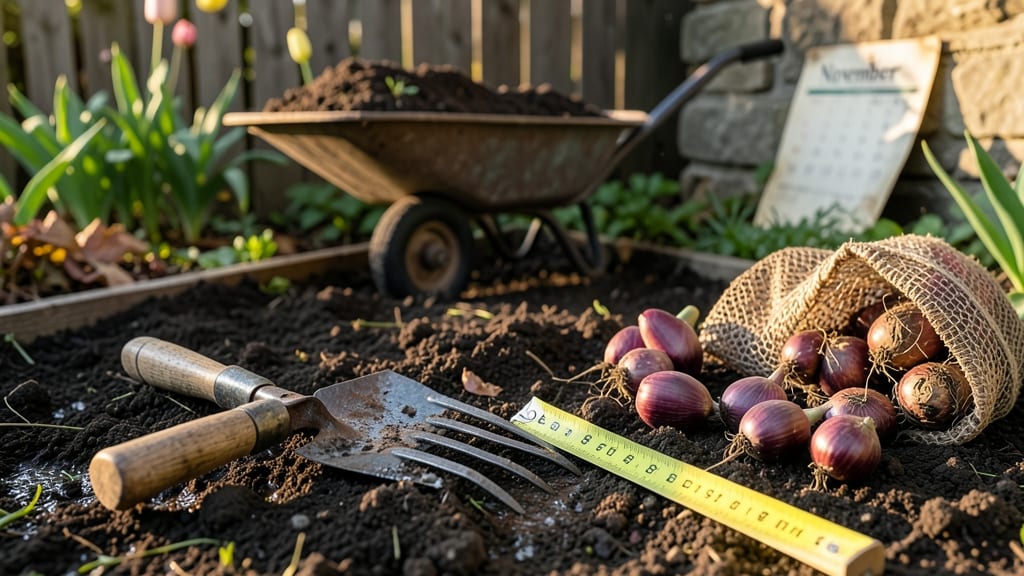
To plant bulbs in the garden at the perfect time means stronger roots and bigger blooms next spring — and it’s all about knowing the right window.
Did you know planting bulbs during the right moon phase can boost root growth by up to 30%? Timing isn’t just about seasons—it’s about lunar cycles, soil temperatures, and bulb types working together for explosive blooms next spring.
In USDA Zone 6a, like many gardeners, fall planting (6-8 weeks before frost) is your best bet for spring-flowering bulbs like tulips and daffodils. But spring planting (4-6 weeks before last frost) works too, especially for late bloomers.
Below, I’ll break down the exact timing for your region, moon-phase secrets, and soil prep tips to ensure your 🌱 bulbs thrive from the moment they hit the dirt.
Best moon phases for planting bulbs: a gardener’s lunar calendar
Planting bulbs isn’t just about digging holes in fall or spring—the lunar cycle plays a surprising role in how well they establish roots and bloom. Gardeners who align their planting with the moon’s phases often see stronger root systems and more vibrant flowers.
The key lies in understanding waxing vs. waning phases and whether you’re planting for root growth or flower development.
Bulbs like tulips, daffodils, and hyacinths thrive when planted during the right lunar phase, but timing varies. For example, tulip bulbs planted during a root moon (waning phase) develop deeper roots, while daffodils benefit from a flower moon (waxing phase) for robust blooms.
The moon’s gravitational pull affects water absorption and nutrient uptake, making these phases critical for success.
Here’s how to decode the lunar calendar for your bulb planting:
| Moon Phase | Best For | Bulb Types | Planting Time |
|---|---|---|---|
| Waxing Moon (Root Moon) | Root development | Tulips, Alliums, Hyacinths | 6-8 weeks before first frost |
| Waning Moon (Flower Moon) | Flower blooming | Daffodils, Crocus, Snowdrops | 4-6 weeks before last frost |
| Full Moon | General planting (avoid) | None (high sap flow) | Skip planting |
| New Moon | Seedlings/transplants | Bulb offsets | Spring only |
The waxing moon (when the moon is growing brighter) is ideal for planting bulbs that focus on root development, like tulips and alliums. This phase encourages water to rise from the soil, helping bulbs establish deep roots before dormancy.
Aim to plant these 6-8 weeks before the first frost, when soil temperatures are still warm but cooling.
Conversely, the waning moon (when the moon is shrinking) is perfect for bulbs that prioritize flower production, such as daffodils and crocus. During this time, the moon’s pull helps direct energy toward blooming rather than root growth.
Plant these 4-6 weeks before the last frost in spring for a vibrant display.
Avoid planting during the full moon or new moon unless you’re dealing with bulb offsets or seedlings. The full moon’s intense gravitational pull can disrupt root formation, while the new moon’s minimal pull may not provide enough energy for establishment.
Stick to the waxing or waning phases for the best results.
For hyacinths, which are sensitive to lunar cycles, plant them during the waning gibbous moon (just after the full moon) to encourage strong, fragrant blooms. Hyacinths thrive in cooler climates, so align their planting with the waning phase in early fall for optimal performance.
The cooler temperatures and lunar timing work together to produce those signature sweet scents.
If you’re in a warmer climate (USDA zones 8-10), adjust your timing slightly. Plant spring-blooming bulbs in the waning phase of late winter (January-February) to avoid the heat of summer.
For fall-planted bulbs, like tulips and daffodils, stick to the waxing phase in October-November to ensure they establish roots before winter sets in.
Pro tip: Use a lunar planting calendar to track phases. Many gardening apps or even a simple moon phase chart can help you plan ahead. Mark your calendar for the next waxing moon and get those tulip bulbs in the ground—you’ll thank yourself next spring when they burst into color!
Remember, the moon’s influence isn’t magic—it’s about water movement and energy flow. By aligning your planting with these natural cycles, you’re giving your bulbs the best possible start for a show-stopping spring display. Happy planting! 🌱
Optimal planting times by bulb type and climate zone
Timing your bulb planting correctly ensures vibrant spring blooms, but the best time depends on your USDA zone and bulb type. Cold-hardy varieties like snowdrops and crocuses thrive when planted in fall, while tender bulbs like dahlias need spring planting.
Soil temperatures below 60°F signal the perfect window for most spring-flowering bulbs.
In USDA Zones 3-6, aim to plant fall-blooming bulbs 6-8 weeks before your first frost. For Zones 7-10, extend this window slightly—plant in late fall or even early winter for varieties like tulips and hyacinths.
Tender bulbs, however, should wait until soil warms to 65°F in spring.
| Bulb Type | Optimal Planting Time | USDA Zones | Soil Temp Threshold |
|---|---|---|---|
| Cold-Hardy (Tulips, Daffodils) | Fall (Oct-Nov) | 3-9 | Below 60°F |
| Tender (Dahlias, Cannas) | Spring (After last frost) | 8-10 | Above 65°F |
| Early Bloomers (Crocuses, Snowdrops) | Fall (Sep-Oct) | 3-7 | Below 50°F |
| Late Bloomers (Alliums, Lilies) | Spring (Apr-May) | 4-10 | Above 55°F |
For USDA Zone 6a, like many gardeners, plant spring-flowering bulbs in October for a 6-week head start before winter. If you miss fall, don’t worry—plant in early spring (4-6 weeks before last frost) for late-season blooms.
Just avoid planting when soil is frozen or waterlogged, as this can rot bulbs.
Tender bulbs like cannas and dahlias need warmth to thrive. In Zones 8-10, plant these in spring after the last frost when nighttime temps stay above 55°F.
In colder zones, treat them as annuals or dig them up before frost. Always plant them 2-3 times deeper than their diameter for stability.
Pro tip: Use a soil thermometer to check temperatures—most bulbs need 50-60°F soil for root growth. If your area has unpredictable frost, opt for late-blooming varieties like alliums or oriental lilies, which handle cooler soils better. Mulch after planting to insulate roots during winter.
Remember, the earlier you plant, the stronger the roots become before winter. Even a 2-week delay can reduce bloom size by 20-30%. Mark your calendar and get those bulbs in the ground before the first hard frost—your spring garden will thank you! 🌷