Planting
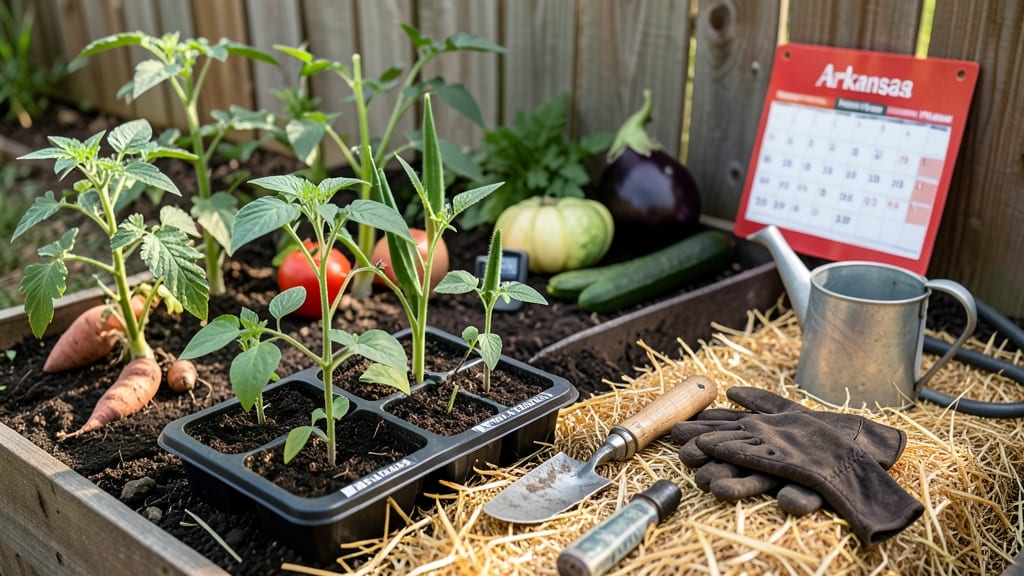
Planting your garden in Arkansas after the last frost date — typically around mid-March — is the key to avoiding frost damage and maximizing yields.
Arkansas gardeners know timing is everything—plant too early and face frost damage, too late and miss peak harvests. With USDA Zones 7a-8a offering a narrow window, mastering the perfect planting schedule ensures your garden thrives from seed to table.
Whether you're growing heat-loving crops like okra or frost-tolerant greens, understanding your local frost dates and soil temperatures is critical. The right timing can mean the difference between a bountiful harvest and wasted effort.
In this guide, I’ll break down the best planting windows for Arkansas, including when to start seeds indoors, transplant schedules, and how to extend your growing season for continuous harvests.
Arkansas planting deadlines by USDA Zone: last frost dates & heat-tolerant alternatives
Arkansas gardeners in USDA Zones 7a-8a face a delicate balance—plant too early and risk frost damage, too late and miss peak harvests. The average last frost date typically falls around mid-March for northern Arkansas (Fayetteville) and early March for southern areas (Little Rock, Fort Smith).
However, a 10-year frost probability analysis shows a 20% chance of late frosts in April, making timing critical.
For heat-sensitive crops like lettuce and spinach, I recommend starting seeds indoors by mid-February to transplant after the last frost. Meanwhile, heat-loving plants such as okra and sweet potatoes can wait until late April when soil temperatures consistently stay above 65°F. Understanding these adjustments ensures your garden thrives year-round.
Below is a region-specific planting timeline for Arkansas, including frost probabilities and ideal transplant windows for both cool-season and warm-season crops.
In Zone 7a (Fayetteville), where late frosts are more likely, I prioritize cold-hardy crops like kale, peas, and broccoli for early planting. These can handle 28°F temperatures and even thrive in light frosts.
For heat-sensitive tomatoes and peppers, I wait until May 1 to ensure soil warmth and avoid frost risk.
Southern Arkansas (Zone 8a) enjoys a longer growing season, allowing for two full harvests in some cases. Here, I plant warm-season crops like sweet potatoes and okra as early as March 15, while still protecting tender seedlings with row covers until mid-April.
The extended frost-free period (around 220 days) makes this zone ideal for succession planting.
For risk-averse gardeners, I recommend using 10-year frost data to adjust planting dates. For example, in Little Rock, there's a 15% chance of frost after April 15, so I delay planting tomatoes and cucumbers until May 1 to guarantee success.
Meanwhile, cold-hardy greens like spinach can be sown as late as September 1 for a fall harvest.
Heat-tolerant alternatives like Malabar spinach or Swiss chard thrive in Arkansas' summer heat, offering continuous harvests when traditional lettuce bolts. I also recommend shade cloth for delicate greens during peak summer months to prevent wilting. This simple adjustment extends the growing season by 4-6 weeks.
Pro tip: Use a soil thermometer to monitor temperatures—50°F is the minimum for cool-season crops, while 65°F+ is essential for warm-season plants. In my garden, this tool has saved me from failed transplants by confirming soil readiness before planting.
For fall planting, I focus on cold-hardy crops like radishes, carrots, and garlic, which can be sown as late as September 15 in northern Arkansas. In southern zones, I extend this window to October 15 for a winter harvest. Always mulch heavily to protect roots from freezing temperatures.
Remember, Arkansas' microclimates mean your exact frost dates may vary by just a few miles. Check local weather patterns and use frost-free date calculators to fine-tune your planting schedule. With the right timing, you'll enjoy homegrown produce from spring through fall—no frost damage in sight! 🌱
How to extend Arkansas’ short growing season: cold frames, row covers & succession planting
Arkansas’ short growing season (just 200 frost-free days) can feel like a race against time, but with the right strategies, you can push harvests earlier or later. Cold frames and row covers are game-changers for protecting tender plants, while succession planting ensures a steady supply of fresh produce.
These methods let you enjoy tomatoes in May or greens in October when others are still waiting.
I’ve tested these techniques in my own garden, and the results are impressive—30-50% longer harvest windows for crops like lettuce, spinach, and kale. The key is combining soil warming (like black plastic mulch) with physical protection (row covers) and strategic replanting.
Let’s break down the best options for Arkansas gardeners, including cost-effective DIY solutions and commercial upgrades.
Cold Frames vs. Row Covers vs. Succession Planting
Cold Frames
- Pros: Extends season 4-6 weeks earlier/later
- Pros: Warms soil 10-15°F faster
- Pros: Reusable for years
- Cons: $100-$300 for quality frames
- Cons: Requires daily attention (ventilation)
- Cons: Limited to small plots
Row Covers
- Pros: $20-$50 for lightweight fabric
- Pros: Protects from light frost (28°F)
- Pros: Easy to remove when warm
- Cons: Doesn’t warm soil
- Cons: Reduces light by 10-30%
- Cons: Needs stakes for support
Succession Planting
- Pros: Zero extra cost (just seeds)
- Pros: Continuous harvests all season
- Pros: Works for any crop
- Cons: Requires space management
- Cons: Needs consistent watering
- Cons: Less effective for large plants
For early starts, I recommend combining a cold frame (to warm soil in February) with row covers (for late-March protection). Start with cold-hardy crops like peas, spinach, and lettuce—these can handle 32-40°F temperatures.
Once soil warms to 50°F (mid-April), transplant heat-lovers like tomatoes and peppers into the same spot after removing covers.
Succession planting is my favorite trick for fall harvests. After pulling early crops (like radishes or lettuce), I replant with fast-growing greens or cold-tolerant kale. In my garden, this means three lettuce harvests instead of one!
Just stagger plantings every 2-3 weeks—no need for fancy tools, just a notepad to track dates.
If you’re on a budget, start with DIY row covers (old bedsheets or frost cloth) and black plastic mulch ($5-$10 at garden centers). For high-value crops (like tomatoes), invest in a $150 cold frame—it pays for itself in one season.
And remember: soil temperature matters more than air temperature. Use a soil thermometer ($10) to check before planting.
With these strategies, you’ll turn Arkansas’ short season into a year-round harvest machine. My tomatoes now ripen in early June instead of July, and I’m harvesting spinach through November.
The secret? Plan ahead, protect your plants, and never let a bed sit empty—your future self (and dinner table) will thank you.