Planting
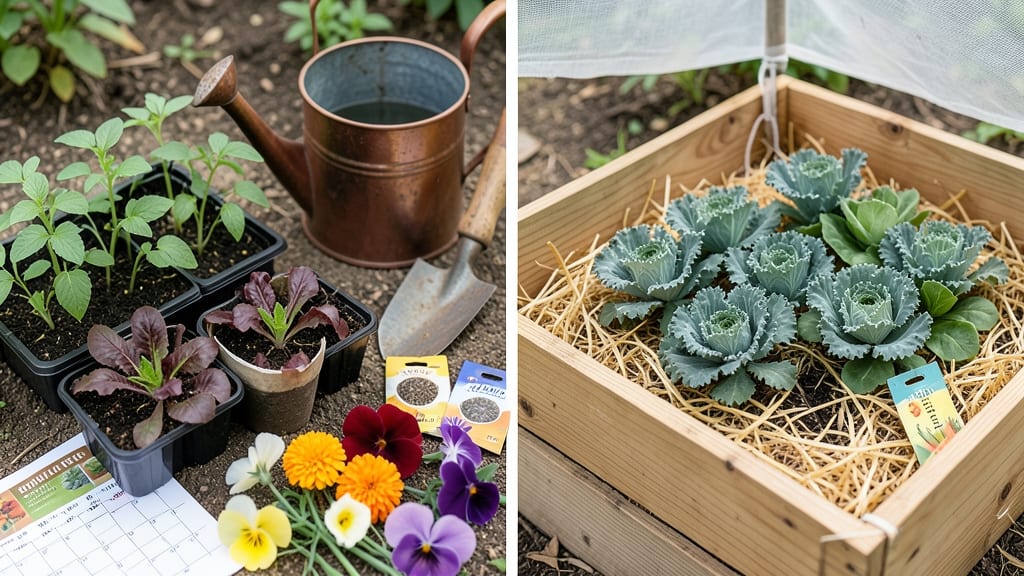
Planting a garden in Central Texas at the right time means the difference between a bountiful harvest and a sad, wilted disappointment 🌱 — and the frost-free window is your golden ticket.
Central Texas gardeners know timing is everything—plant too early and risk frost damage, too late and miss peak harvests. But with the right frost-free window by crop type, you can grow a thriving garden year-round.
Spring and fall are the sweet spots for most vegetables, flowers, and herbs, but heat-loving crops like okra and peppers need to wait until after the last frost—usually mid-March. Meanwhile, cool-season greens like lettuce and broccoli thrive when planted in late summer for a fall harvest.
Below, I break down the exact frost-free dates for Austin, Waco, and San Antonio, plus how to adjust planting times for extreme heat and drought. You’ll learn which crops to start early, which to hold off on, and how to stretch your growing season for maximum yields.
Central Texas frost-free dates by region: Austin vs. Waco vs. San Antonio
Understanding your frost-free window is the first step to successful gardening in Central Texas. The average last frost date shifts slightly between Austin, Waco, and San Antonio, creating microclimate opportunities for gardeners. These variations mean your spring planting dates could differ by 1-2 weeks depending on where you live.
For Austin gardeners, the last frost date typically falls around March 15, while Waco sees its final frost about March 10. San Antonio enjoys the longest growing season, with an average last frost of March 20.
These differences may seem small, but they're critical for heat-sensitive crops like lettuce and broccoli.
Here's how these frost-free windows impact your planting schedule for common Central Texas crops:
These frost-free windows determine when you can safely plant warm-season crops like tomatoes and peppers. For Austin, this means waiting until April 15 for most gardeners, while San Antonio gardeners can start as early as March 25.
The key is monitoring soil temperatures, which should reach 60°F for warm-season plants.
For cool-season crops like spinach and kale, you'll want to plant 6-8 weeks before your last frost date. This means Austin gardeners should start by January 20, while Waco gardeners can begin slightly earlier on January 15. San Antonio's longer window allows for a January 25 start.
Microclimates play a huge role in Central Texas gardening. Urban areas like downtown Austin often experience urban heat islands, which can extend your growing season by 1-2 weeks compared to rural areas. Conversely, higher elevations in the Hill Country may see frost 5-7 days later than city centers.
Herbs like basil and cilantro demonstrate these regional differences perfectly. Basil thrives in San Antonio's extended spring but often bolts in Austin by June 15.
Meanwhile, cilantro survives Waco's cooler springs longer than Austin's heat. Pay attention to these patterns in your own garden to adjust planting times each year.
Don't forget about fall planting, which often gives better yields than spring for many crops. The fall frost-free window typically runs
Best planting schedule for Central Texas vegetables by season
Central Texas gardeners have a unique advantage with our long, hot summers and mild winters, but knowing exactly when to plant each crop is key to avoiding frost damage or heat stress.
The frost-free window typically runs from mid-March through November, but some crops thrive in both spring and fall, while others need the intense summer heat to produce well.
I’ve organized this schedule by crop type—frost-sensitive, frost-hardy, and year-round growers—so you can plan your garden in phases.
For example, okra and peppers love the heat and should wait until after the last frost, while lettuce and broccoli prefer cooler temperatures and do best in early spring or late summer.
| Season | Crop Type | Planting Months | Notes |
|---|---|---|---|
| Spring | Frost-Hardy | February-March | Lettuce, broccoli, peas, spinach |
| Spring | Frost-Sensitive | April-May | Tomatoes, peppers, okra, cucumbers |
| Summer | Heat-Tolerant | June-July | Sweet potatoes, black-eyed peas, melons |
| Fall | Frost-Hardy | August-September | Kale, carrots, radishes, onions |
| Year-Round | Perennials | Any month | Green onions, cilantro, thyme, rosemary |
For spring planting, focus on frost-hardy crops like lettuce and broccoli in late February or early March, then transition to frost-sensitive crops like tomatoes and peppers after the last frost date (usually mid-March).
If you’re in a cooler microclimate like the Hill Country, wait until April to plant heat-lovers.
In summer, prioritize crops that thrive in the heat, such as okra, peppers, and sweet potatoes. These plants need consistent moisture but can handle the intense sun.
I recommend mulching heavily to retain soil moisture and using shade cloth for delicate greens like basil if temperatures exceed 95°F.
Fall planting is my favorite—it’s cooler, and the soil stays moist longer. Start with warm-season crops like pumpkins in August, then shift to cool-season greens like kale and spinach in September. These will give you a harvest well into November before the first frost hits.
Don’t forget about year-round growers like green onions, cilantro, and herbs. These can be planted in containers and moved indoors or under shade cloth during extreme heat or cold snaps. They’re perfect for filling gaps in your garden and keeping fresh flavors handy year-round.
Pro tip: Use row covers or cold frames in early spring or late fall to extend your growing season for frost-sensitive crops. This can add 2-4 extra weeks of planting time, giving you more harvests before or after the frost-free window.