Planting
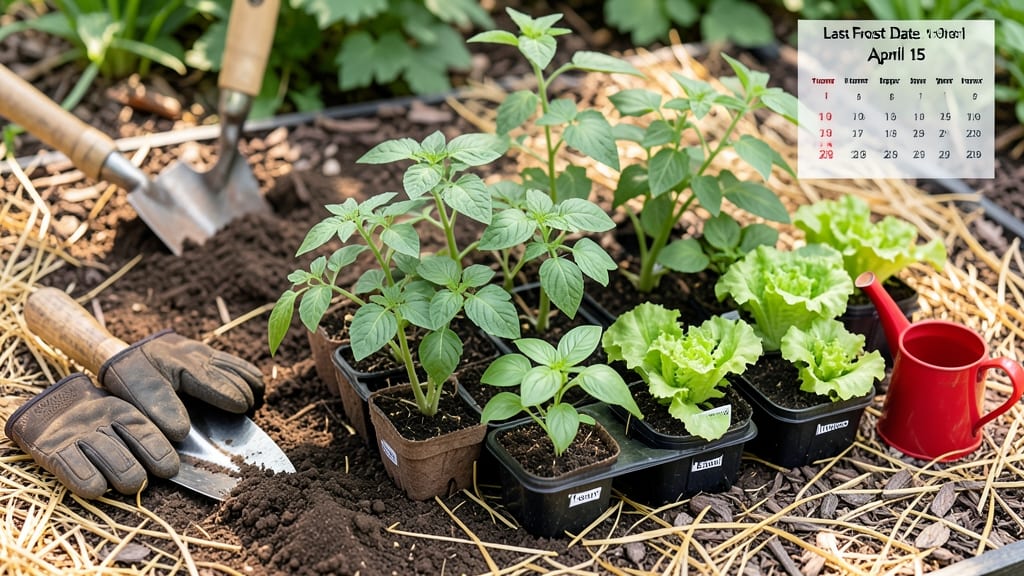
To plant a garden in East Tennessee, aim for March through May for spring crops and August through September for fall planting—timing that aligns with the region’s last frost around mid-April.
East Tennessee’s mild winters and warm summers make gardening a year-round adventure—but timing is everything. Plant too early, and frost will kill your seedlings; too late, and your harvest won’t ripen before fall’s chill.
Here’s your Zone 7a planting schedule to maximize yields for every crop type, from cool-season greens to heat-loving tomatoes.
Cool-season crops like lettuce and spinach thrive when planted 4-6 weeks before the last frost, while warm-season favorites such as tomatoes and peppers need soil temperatures of at least 50°F to grow.
The key is balancing these needs with East Tennessee’s 180 frost-free days, ensuring your garden stays productive all season.
In this guide, you’ll discover the exact planting windows for your favorite crops, how to adjust for local microclimates, and which fast-growing varieties guarantee a harvest—even if you start late. Let’s get your 🌱 General East Tennessee Garden off to the best possible start!
Zone 7a planting deadlines by crop type: cool vs. warm season timing
Understanding Zone 7a planting deadlines is key to avoiding frost damage or missed harvests in East Tennessee. The last spring frost typically arrives around mid-April, while the first fall frost hits by mid-October.
This gives us a 180-day growing window—just enough for warm-season crops to thrive and cool-season plants to establish before winter.
Cool-season crops like lettuce and spinach thrive in 50-65°F soil and can handle light frosts. Warm-season plants such as tomatoes and peppers need 60°F+ soil and won’t tolerate frost. Missing these windows means lost harvests, so timing is everything.
Here’s your East Tennessee planting schedule broken down by crop type, including last-chance deadlines for fall harvests.
| Crop Type | Spring Planting Window | Fall Planting Window | Last Chance for Harvest | Key Notes |
|---|---|---|---|---|
| Cool-Season Vegetables | March 15 - April 15 | August 1 - September 1 | October 10 (before hard frost) | Lettuce, spinach, kale, broccoli, cabbage |
| Warm-Season Vegetables | April 20 - May 10 | July 1 - August 1 | October 1 (before frost) | Tomatoes, peppers, cucumbers, beans, squash |
| Herbs | March 1 - April 15 | July 15 - August 15 | October 1 (before frost) | Basil, cilantro, parsley, dill |
| Root Vegetables | April 1 - May 1 | July 15 - August 1 | September 30 (before hard frost) | Carrots, radishes, beets, turnips |
| Flowers | March 15 - May 1 | July 1 - August 15 | October 1 (before frost) | Marigolds, zinnias, sunflowers, cosmos |
For cool-season crops, start seeds indoors in late February to get a head start. Direct-sow hardy greens like spinach and kale as early as mid-March, but wait until soil warms to 50°F for tender crops like lettuce.
In fall, plant 4-6 weeks before your first frost (around August 1) to ensure a harvest before winter sets in.
Warm-season crops are trickier—they need consistent warmth to thrive. Wait until after your last frost date (usually mid-April) and only plant when soil temperatures hit 60°F+. For a fall harvest, sow seeds by July 1 to give plants enough time to mature before mid-October’s first frost. Use black plastic mulch to warm soil faster in spring.
Herbs like basil
How to adjust planting dates for East Tennessee’s microclimates
East Tennessee’s geography creates microclimates that can shift planting windows by weeks—especially between mountain valleys and urban areas. For example, Asheville’s higher elevation often experiences frost 2-3 weeks later than Knoxville’s lower elevations. Understanding these variations helps you avoid frost damage or wasted growing time when crops mature too slowly.
Urban heat islands in cities like Chattanooga can push warm-season crops like tomatoes and peppers into the ground 1-2 weeks earlier than rural areas. Meanwhile, north-facing slopes in the Smokies may delay spring planting by 10-14 days compared to south-facing gardens.
Always check your local frost dates—not just the regional average—to fine-tune your schedule.
⚠️ WARNING: Microclimates Can Trick You!
Common Mistakes: - Planting warm-season crops too early in valleys (risk frost). - Skipping row covers in urban areas (heat traps can bake seedlings). - Ignoring slope exposure (north-facing beds stay colder longer).
Solution: Adjust planting dates by 1-3 weeks based on your specific location.
Use USDA’s Plant Hardiness Zone Map (Zone 7a) as a baseline, then modify for elevation and urban heat. For example, if your last frost is April 20th but you’re in a warmer microclimate, shift warm-season crops to mid-April instead of waiting for the average.
To extend your growing season, row covers (like floating row covers) can add 2-4 weeks of frost protection for cool-season crops like lettuce and spinach. For warm-season plants, black plastic mulch raises soil temperatures 5-10°F, letting you plant peppers and eggplants 1-2 weeks earlier.
In high-elevation areas, cold frames can push spring planting 3-4 weeks earlier or delay fall harvests until late October.
For mountain gardens, focus on fast-maturing varieties like bush beans (50 days) or radishes (25 days) to compensate for shorter seasons. In urban areas, container gardening lets you move heat-sensitive plants to shaded spots during afternoon heatwaves.
Always monitor soil temperatures—warm-season crops need at least 60°F for roots to establish, while cool-season crops thrive at 50-55°F.
Pro tip: Keep a gardening journal for 2-3 years to track your local frost dates, heat spikes, and plant performance. Note which varieties ripen reliably in your microclimate—this data becomes your personalized planting guide.
For example, if tomatoes always struggle in your area, switch to determinate varieties (like Celebrity or Roma) that mature faster than indeterminate types.
By adjusting for elevation, urban heat, and slope exposure, you’ll maximize your harvest and avoid common pitfalls. Start with small test plots in different microclimates, and gradually expand based on what works best.
With these tweaks, your East Tennessee garden will thrive year after year—no matter where you’re planted! 🌿